

When Emma lost her commute, she found more than saved minutes. One rainy Tuesday she unrolled a mat in her kitchen and did a short session between calls. It felt freeing.
That simple choice became a feasible solution for a busy life. No rush hour, no crowded rooms, just clear time to move. Over a few weeks she noticed better focus and steady progress.
This guide shows how to make that shift. You will learn to plan around energy, not clocks. A small number of smart moves can replace tight scheduling with flexibility.
Key Takeaways
- Flexibility wins: short sessions fit real life.
- No commute needed: save time and stress.
- Use simple cues to match sessions to energy.
- Remove rigid schedules and improve recovery.
- A feasible solution helps busy people stay consistent.
The Hidden Costs of Rigid Training Schedules
Strict appointment windows often cost more than minutes — they cost momentum. Rigid plans create a psychological burden that makes movement feel like another chore. That pressure can lead people to ignore signals from their body and push into burnout rather than steady progress.
The Psychological Impact
Guilt and all-or-nothing thinking are common when an exact schedule is missed. In practice, authors studying transit systems found similar misfits: Chicago’s 1947 stop-skipping test showed a method that sounded efficient but failed user needs and was later dropped.
Time Constraints
Commuting hours and travel time to a gym are hidden costs that pile up. The number of extra minutes spent moving between locations often becomes the main reason sessions are skipped.
- Work fluctuation: demanding periods at work create real constraints for many athletes.
- Deterministic methods fail: rigid scheduling in networks and life overlooks daily demand shifts.
- Objective function: prioritize well-being over hitting a strict number on a table.
Rigid scheduling can satisfy an order on paper but miss real-world needs.
We will build a flexible framework later that treats energy and recovery as the main control values. That approach reduces guilt and raises long-term results.
Why You Should Train Without the Stress of Fixed Schedules
Choosing flexible sessions frees you to match movement with your energy, not a clock. That decision helps you avoid overdoing it during busy or stressful periods and keeps practice enjoyable.
Home sessions reclaim small pockets of time that add up. Removing commute and crowded classes gives you more minutes for recovery and family. It also reduces the number of barriers that stop people from staying consistent.
Flexible planning works like a simple optimization model. Instead of a rigid schedule, use a small framework that balances effort and rest. This method mirrors how authors model train scheduling and network operations to respect real-world constraints.
- Listen to your body: start when you feel energized.
- Save time: eliminate travel time and use it for recovery.
- Better results: steady, adaptable effort beats a strict table of workouts.
“A flexible approach turns brief windows into lasting habits.”
Eliminating the Commute to Your Training Space
When you move your session to a corner of your home, time becomes an ally, not an enemy.
Create a small, dedicated spot where equipment lives and you can roll out your mat in seconds.
This removes travel time and the mental hurdle that keeps many people from starting. You save a number of hours each week and can redeploy that time into short, consistent sessions.
Creating a Dedicated Space
Choose a quiet corner, set out a mat, and store a few key items nearby. Keep setup friction low so starting is easy.
- Always-ready setup: equipment visible and reachable.
- Minimal distractions: a tidy spot helps focus.
- Flexible timing: sessions fit into spare times across your day.
| Benefit | Impact | Example |
|---|---|---|
| Save travel time | More training minutes per week | Redirect 3 commuting hours to short sessions |
| Reduce friction | Higher consistency | Mat and weights ready by the door |
| Control environment | Better focus and recovery | Quiet corner with soft lighting |
“Eliminating the commute removes the biggest barrier to daily movement.”
This approach mirrors how modern operations use stochastic modeling to improve service at many stations: reduce delays, match supply to demand, and improve overall results.
Avoiding the Frustration of Crowded Classes
Waiting for equipment and squeezing past mats can ruin a good training rhythm.
Busy rooms add delays and pressure. When many people share a single space, focus breaks and efficiency drops.
At home, you skip lines for gear and claim every minute for useful work. You set a pace that fits current energy and time, not a group pace or a fixed schedule.
One clear benefit is control. Fewer interruptions mean better form, fewer mistakes, and lower injury risk. You can test new movement types and keep sessions fresh.
- Never wait for equipment.
- Work at your own pace.
- Design a plan that fits personal needs.
“A quieter space boosts consistency and makes progress measurable.”
This approach echoes a stop-skipping method that eases congestion at stations and improves service. Small adjustments to setup and order yield better results and far less frustration.
Designing a Flexible Training Framework
Start with a clear goal so each session has purpose. Define long-term aims (strength, mobility, stress relief) and a few short-term targets you can measure.
Defining Your Goals
Write one sentence that states why you move. That line becomes your guide when time is tight.
Prioritize quality over a high number of sessions. Small, focused efforts beat long unfocused ones. Track progress in a simple table so wins are visible.
Setting Realistic Expectations
Set targets that fit your current life and work constraints. Expect variation across a busy period and plan for it.
- Flexible schedule: allow swaps between short sessions and longer ones.
- Simple tracking: a 3‑column table (date, session type, result) shows trends fast.
- Problem handling: accept missed times and adjust the next session.
“A small, adaptive plan keeps progress steady even when external demands change.”
Managing Energy Levels Throughout Your Day
Match movement to your natural energy windows and you will get more done with less fuss.
Start a session whenever it works best for your day and energy level. Pick morning or evening blocks based on when you feel alert. That choice makes each session more effective.
Keep session length flexible. Some days offer a long block, and some give only a short time. Adjust the number of exercises and intensity to fit current capacity.
Listen to your body to avoid pushing while depleted. If a problem persists, treat rest as a valid option rather than a setback.
- Key idea: plan by energy, not by strict schedule.
- Practical tip: track simple energy scores before sessions to find your best times.
- Analogy: like train scheduling at busy stations, adapt operations to demand peaks and lulls.
| Signal | Action | Expected result |
|---|---|---|
| High energy | Harder session, compound moves | Better strength gains |
| Moderate energy | Short focused work | Maintenance and skill focus |
| Low energy | Mobility or rest | Recovery and fewer errors |
“Flexible timing keeps training a source of vitality, not a drain.”
Adapting Your Routine to Professional Demands
Busy work weeks demand a routine that bends around meetings, not the other way round.
Long shifts and variable hours mean you must test when movement fits best. Some people, like a tax partner who rises at 3:45 AM, make early sessions work. Others prefer evening slots after a long period at work.
Early Morning vs Evening Sessions
Try both and measure results. Early sessions can boost focus and check a box before work starts. Evening work helps unwind and can suit night owls.
- Pros of mornings: consistent start, fewer interruptions.
- Pros of evenings: less rush, better sleep for some people.
- Practical tip: prepare gear the night before so you start quickly.
- Identify two possible times each day.
- Test each for a two-week period and note energy and results.
- Choose the option that fits work demands and family life.
“Small shifts in timing beat missed sessions during intense work periods.”
| Option | Best for | Expected result |
|---|---|---|
| Early session | Early birds, predictable mornings | Consistent habit formation |
| Evening session | Night owls, late meetings | Stress relief after work |
| Short midday | Split shifts, high travel time | Energy reset, maintenance |
Like transit operations, you can treat your day as a small network of stations. Shift when needed, reduce travel time between commitments, and keep a simple order so progress still happens during busy periods.
The Benefits of Rolling Out Your Mat on Your Own Terms
Rolling out your mat when it fits your energy brings back choice. It makes starting easier and increases motivation. Small sessions feel doable and build habit.
Begin for 15 minutes or stretch into an hour—either works. You can match duration to how much time you have and how you feel that day. That freedom helps keep practice pleasant.
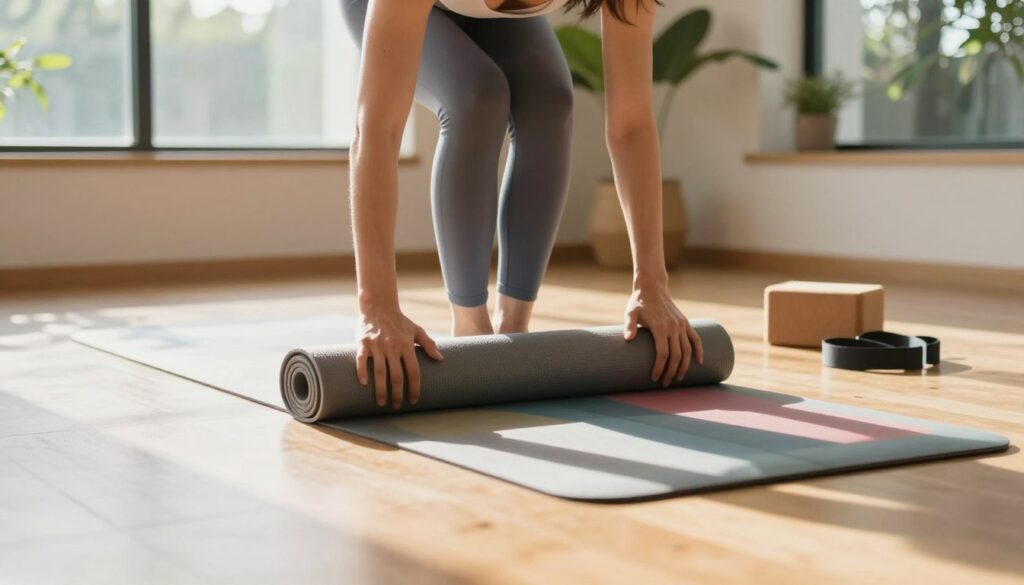
Ownership breeds consistency. When you design your form and order, you gain autonomy. That keeps training enjoyable and improves long-term results.
- Customize movement to focus on what you enjoy and need most.
- Use a short session to reset after a rough work period.
- Think of it like transit: riders prefer flexible routes and travel time choices.
“Exercise stops being a chore when it fits your life and your mood.”
| Benefit | Why it helps | Practical example |
|---|---|---|
| Flexible duration | Makes starting easier | 15‑minute mobility in a lunch break |
| Personalized order | Focuses on priorities | Strength one day, mobility the next |
| Quick reset | Improves focus after work | 10-minute breathing and stretch routine |
Overcoming the Need for External Accountability
Switching to internal motivation flips accountability from an external push to a steady, personal drive.
That shift means you set goals and track progress on your own terms. Use a simple journal or an app to record a small number for each session: duration, effort, and one result. Over a period this table of notes shows real trends.
Relying on self-tracking builds resilience against missed classes or schedule changes. You will feel less tied to a class schedule and more able to adapt when life adds constraints.
Small milestones matter. Pick short goals, celebrate them, and adjust the plan if a problem appears. That method mirrors how trains use automated data to refine scheduling and operations at busy stations.
| Tool | Use | Result |
|---|---|---|
| Simple journal | Log time and effort | Visible progress |
| Tracking app | Collects numbers and trends | Objective feedback |
| Weekly review | Adjust goals | Self-sustaining routine |
“Confidence grows when your progress comes from choices you own.”
Balancing High Intensity with Recovery Needs
High-intensity days need clear rules so recovery can actually work. Balance matters more than a steady rise in volume. Hard efforts produce gains, but only when followed by proper repair.
Recognizing Overtraining
Watch for lingering fatigue, stalled performance, and poor sleep. If workouts feel heavier than usual or motivation drops, those are signs to act.
Track simple metrics like resting heart rate or sleep quality each morning. A rise in baseline heart rate or consistent soreness often signals too much load.
Prioritizing Rest
The number of rest days is as important as the number of hard sessions. Treat recovery as scheduled work: plan it, honor it, and log it.
- Use a short daily check (feel, sleep, heart rate) to decide intensity.
- Accept extra rest days during a busy period; they prevent bigger problems.
- Think of maintenance schedules for trains: regular downtime keeps operations safe and reliable.
| Signal | Action | Expected result |
|---|---|---|
| Elevated morning pulse | Drop intensity or rest | Faster recovery, fewer injuries |
| Low motivation | Short mobility or restorative work | Renewed readiness next session |
| Consistent performance decline | Plan two lighter days | Stabilized progress over the period |
“Prioritizing rest ensures you can give full effort when it matters most.”
Make recovery part of your schedule and your mindset. This simple approach keeps results steady and helps avoid burnout during busy times.
Utilizing Home Environments for Consistent Progress
A small, well‑staged corner at home can become your most reliable space for steady progress.
Choose comfort and privacy so starting feels simple, not burdensome. Keep a mat, a few tools, and a clear surface so setup takes seconds.
Designing a dedicated spot signals your brain that it is time to focus. That cue builds habit fast and cuts setup friction, saving valuable time each day.
Adaptations range from basic bodyweight moves to a compact rack. The number of options is large; creativity is your only limit.
- Easy start: equipment visible and ready reduces excuses.
- Try new methods: use home space to experiment without pressure.
- Small footprint: compact gear and clever order fit tight rooms.
Like dedicated tracks that help trains run on schedule, a home setup reduces travel time and operational problems. This solution makes consistent progress possible across any busy period.
“Your home can become a place of strength and health.”
Adjusting Your Approach During Busy Periods
Peak workload doesn’t have to mean zero minutes; it calls for smart scaling.

When work piles up, change how much you do rather than stopping altogether. Small sessions keep habit and avoid burnout.
Scaling Volume During Peak Workload
Cut the number of minutes, keep the purpose. A 10–20 minute session focused on high-quality effort beats no session at all.
Use intensity over duration when time is scarce. Pick two compound moves or a short circuit and move with purpose.
- Plan a few minimal templates ahead of busy times.
- Accept lower volume and protect recovery.
- Track simple notes in a small table to keep trends visible.
| Option | Minutes | Result |
|---|---|---|
| Micro session | 10–15 | Maintains habit, quick energy reset |
| Focused intensity | 15–25 | Strength stimulus with less time |
| Active recovery | 10–20 | Improves readiness for next hard day |
“Flexibility during a busy period is a practical solution, not a concession.”
Think of it like transit scheduling: trains and stations adjust service during peak times to match demand. Your approach can do the same.
Finding Balance Between Work Stress and Physical Activity
You can protect your calm at work by folding short movement breaks into your day.
Use brief sessions as decompression after a long period at your desk. A few focused minutes clears your head and helps solve problems with fresh perspective.
The number of benefits is real: better mood, sharper focus, and steadier energy across busy times. Be mindful of energy so movement supports work, not competes with it.
Think of this like rail operations. Transit planners balance passenger demand and station constraints. You can match effort and recovery in a similar way.
- Short breaks: 10–15 minutes to reset and release tension.
- Energy-aware: choose mobility on low days and harder moves on high days.
- Consistent gains: small sessions add up over a period.
| Action | When to use | Expected result |
|---|---|---|
| Micro session | After a long meeting | Clearer thinking and calm |
| Recovery move | Low energy times | Faster readiness next task |
| Focused effort | High energy window | Strong stimulus with short time |
“Use training time to clear your head; it often makes work problems simpler.”
Creating Sustainable Habits for the Long Term
Small daily choices build habits that last far longer than a grand plan ever will. Start by setting one simple practice you can keep for a week. Repeat it until it feels normal.
Be patient and adapt. Life changes, so bend your plan to fit new constraints. Focus on process over a final goal and let small wins add up.
Make movement a non-negotiable part of your day. Protect a short window of time and treat it like an important appointment. That one change makes consistency realistic.
- Personalize your routine: build around what works for your life, not someone else’s schedule.
- Small changes matter: a low number of minutes daily compounds into big gains over a period.
- Own your plan: adjust when you struggle and celebrate steady progress.
| Goal | Action | Expected result |
|---|---|---|
| Consistency | Daily micro session | Habit formation over time |
| Flexibility | Swap session times | Fits work constraints |
| Motivation | Weekly review | Renewed buy-in and joy |
“Build small, repeatable steps and let them carry you through busy times.”
Monitoring Your Results Without Fixed Timetables
Let results guide you: measure strength, mood, and endurance instead of a rigid hour. Focus on what changed, not on whether a block was kept.
Track simple markers. Record a personal best, a repeat count, or how rested you felt after a session. Small data points show real trends across a period.
Use a short journal to note effort, one clear result, and a quick feeling score. Over weeks, that number of entries reveals meaningful progress.
Think of this like transit operation: managers watch trains and passenger flow, not just an exact timetable. You can do the same by measuring outcomes and adjusting for constraints.
- Celebrate wins: log small wins to keep motivation steady.
- Adjust smartly: if progress stalls, change one variable, not everything.
- Keep it personal: results tied to effort feel more meaningful than an outside schedule.
| What to record | Why it matters | Example |
|---|---|---|
| Strength metric | Shows adaptation | More reps or heavier load this period |
| Endurance marker | Reflects capacity | Longer steady-state time or fewer breaks |
| Well-being note | Tracks recovery | Energy score before and after a session |
“Progress is clearer when you measure outcomes, not just minutes on a clock.”
Conclusion
This approach is a feasible solution for anyone who wants steady progress while juggling work and family. Small, flexible habits beat rigid plans that fail under real constraints.
Make it your own: set simple rules, roll out your mat, and train when energy suits you. Let a loose schedule guide choices, not control them.
Keep tracking results, protect recovery, and treat adjustments as part of the operation. If a problem appears, change one thing and try again.
Start small, stay consistent, and trust the process. You can create a routine that fits busy times and lasts through every period.