

Have you ever wondered if you could reclaim your vitality without spending hours meal prepping in the kitchen? Many professionals feel trapped by the constant pressure of balancing career demands and personal wellness.
The truth is, sustainable wellness does not require a complete lifestyle overhaul. By making small, consistent adjustments to your daily routine, you can experience a significant boost in energy levels.
This Healthy Eating Guide for Busy American Women focuses on practical strategies designed to remove the stress from your plate. You will discover how minor shifts in your mindset lead to long-term health improvements. It is time to stop viewing wellness as a chore and start seeing it as a manageable part of your day.
Key Takeaways
- Focus on small, consistent changes rather than drastic lifestyle overhauls.
- Prioritize meal preparation techniques that save time during hectic weekdays.
- Understand that energy levels are directly linked to your daily food choices.
- Shift your mindset to view wellness as a sustainable, stress-free practice.
- Learn how to integrate better fuel into your schedule without spending hours cooking.
Understanding the Importance of Nutrition for Women
Proper nutrition serves as the essential engine for every busy woman navigating a demanding schedule. When you balance professional goals with personal life, your body requires high-quality fuel to maintain peak performance. Prioritizing your intake is not just a diet choice; it is a vital form of self-care.
Why Nutrition Matters for Busy Lifestyles
For many, the day is a constant race against the clock. When you rely on convenience foods, you often miss out on the nutrients needed to sustain your focus and stamina. Busy Women Nutrition is about choosing foods that provide lasting energy rather than quick, fleeting spikes in blood sugar.
When you view food as fuel, you begin to see how your daily habits influence your productivity. Consistent, healthy eating helps you stay sharp during long meetings and energized for your evening responsibilities. Investing in your Women’s Health today ensures you have the vitality to tackle whatever tomorrow brings.
Common Nutritional Gaps in Women’s Diets
Even with the best intentions, many women struggle to meet their daily requirements for essential vitamins and minerals. A hectic schedule often leads to skipping meals or relying on processed snacks that lack nutritional density. These gaps frequently manifest as persistent fatigue, brain fog, or a general feeling of being sluggish.
Two of the most common deficiencies involve iron and calcium. Iron is crucial for transporting oxygen throughout your body, and low levels often lead to exhaustion. Meanwhile, calcium supports bone density and muscle function, which are critical for long-term wellness.
By identifying these gaps, you can apply practical Nutrition Tips to bridge the divide. Small, intentional changes to your grocery list can make a significant difference in how you feel. Remember, Women’s Health thrives when you provide your body with the specific building blocks it needs to function at its best.
Making Time for Healthy Eating
Mastering your kitchen routine is the secret weapon for busy women nutrition. When your calendar is full, the thought of cooking can feel overwhelming. However, small shifts in your daily habits make a massive difference in your overall wellness.
Meal Prepping: A Time-Saving Strategy
Effective meal planning is the foundation of a stress-free week. By dedicating just two hours on a Sunday, you can prepare components that serve as the base for multiple dishes. This simple habit prevents the frantic search for food when you are tired after work.
“The secret of getting ahead is getting started.”
Start by washing and chopping vegetables in advance. Store them in clear containers so they are ready to grab. Having pre-cooked proteins like grilled chicken or roasted chickpeas on hand will save you hours of active cooking time.
Quick Meal Ideas for Busy Days
You do not need to spend hours in the kitchen to enjoy healthy recipes. Focus on meals that require minimal assembly, such as grain bowls or hearty salads. These options allow you to mix and match ingredients based on what you already have in your pantry.
- Sheet pan dinners with seasonal vegetables and lean protein.
- Mason jar salads that stay crisp for days.
- Quick stir-fries using frozen vegetable medleys.
These strategies ensure you stay satisfied without needing constant grocery runs. Keeping a few staples like quinoa, canned beans, and frozen fruit ensures you always have a nutritious meal ready in minutes.
Utilizing Leftovers Effectively
Repurposing leftovers is an art that keeps your diet exciting. Instead of eating the same meal twice, transform your dinner into a completely new lunch. For example, leftover roasted vegetables can become a delicious topping for a savory omelet or a base for a warm grain salad.
This approach ensures your food remains fresh and flavorful throughout the week. By viewing leftovers as versatile ingredients rather than just “old food,” you reduce waste and save precious time. Embracing this mindset is a core component of sustainable, healthy eating for any busy lifestyle.
Simple Nutrition Habits to Adopt
Transforming your relationship with food begins with a few simple, intentional shifts. By focusing on Simple Eating Habits, you can create a sustainable routine that supports your energy levels throughout the day. These foundational changes remove the stress of perfectionism and help you build a lifestyle you actually enjoy.
The Power of Portion Control
Portion control is not about restriction or obsessively counting every calorie on your plate. Instead, it is a powerful tool to help you maintain steady energy levels without feeling deprived. By learning to recognize appropriate serving sizes, you allow your body to receive the fuel it needs without overtaxing your digestive system.
Try using smaller plates or bowls to naturally manage your intake. This simple visual trick helps your brain feel satisfied with a smaller amount of food. When you stop focusing on numbers and start focusing on how your body feels, you create a much healthier relationship with your meals.
Mindful Eating Practices
In our fast-paced world, it is easy to eat while distracted by screens or work. Mindful eating encourages you to slow down and truly experience your food. By removing distractions, you become much better at recognizing your body’s natural hunger and fullness cues.
Take a moment to notice the texture, smell, and taste of your meal. Listening to your body is the most effective way to prevent overeating. When you eat with intention, you often find that you feel more satisfied with less food, which is a cornerstone of a Balanced Diet.
Balancing Macros: Carbs, Proteins, and Fats
A Balanced Diet does not require complex math or rigid rules. You simply need to ensure that your plate includes a mix of macronutrients to keep your metabolism running smoothly. Think of your plate as a canvas for your health.
- Proteins: Essential for muscle repair and keeping you full longer.
- Carbohydrates: Your primary source of quick, usable energy.
- Fats: Vital for brain health and nutrient absorption.
Aim to include a portion of each at every meal to keep your blood sugar stable. By adopting these Simple Eating Habits, you are setting yourself up for long-term success and vibrant health.
Shopping Smart: Grocery Store Strategies
Transforming your weekly shopping trip into a streamlined, healthy experience is easier than you think. Effective nutrition starts at the grocery store, and having a clear roadmap helps you make smarter choices in less time. By mastering these strategies, you can ensure your kitchen is always stocked for success.

Creating a Healthy Grocery List
The most effective way to avoid impulse buys is to embrace consistent Meal Planning. Before you head out, take ten minutes to review your schedule and jot down the ingredients you actually need. This simple habit prevents the common trap of buying processed snacks that do not support your wellness goals.
When you stick to a list, you save both time and money. Organization is your best friend when life gets busy. Try grouping your items by store section to make your trip through the aisles much faster and more efficient.
“The grocery store is where your health journey truly begins; choose your fuel with intention and purpose.”
Navigating the Store for Nutrient-Dense Choices
Most grocery stores are designed to tempt you with processed items in the middle aisles. To stay on track, focus your Meal Planning efforts on the perimeter of the store. This is where you will typically find fresh produce, lean proteins, and dairy products.
Prioritizing whole foods over pre-packaged alternatives is a game-changer for your energy levels. If you must enter the middle aisles, look for staples like beans, whole grains, and nuts. Being mindful of your path through the store helps you avoid unnecessary distractions.
| Shopping Habit | Impact on Health | Time Efficiency |
|---|---|---|
| Impulse Buying | Low | Low |
| Structured List | High | High |
| Perimeter Shopping | High | Medium |
By following these simple steps, you can turn your weekly errands into a productive part of your routine. Consistent Meal Planning ensures that you always have healthy options ready when you are short on time. Stay focused, keep your list handy, and enjoy the benefits of a well-stocked, nutritious kitchen.
Incorporating Fruits and Vegetables Daily
Discover how simple it is to pack your plate with nutrient-dense fruits and vegetables every single day. Making this small shift is one of the most impactful changes you can make for your long-term health. You do not need to follow a strict diet to enjoy the vibrant benefits of nature’s best foods.
Easy Ways to Increase Veggie Intake
Adding more greens to your routine can be surprisingly effortless. Start by sneaking finely chopped spinach or kale into your morning smoothies or scrambled eggs. These additions provide a massive vitamin boost without changing the flavor profile of your favorite breakfast.
For lunch and dinner, try using vegetable-based swaps to increase your fiber intake. You might replace traditional pasta with zucchini noodles or add extra bell peppers and onions to your stir-fry. Consistency is key, so focus on adding just one extra serving of vegetables to each meal rather than overhauling your entire kitchen at once.
Benefits of Seasonal Produce
Choosing fruits and vegetables that are currently in season offers significant advantages for both your body and your wallet. Seasonal produce is often harvested at the peak of ripeness, which means it provides higher nutrient density and superior flavor compared to out-of-season options. You will likely find that these items are more affordable at your local grocery store or farmers market.
Eating with the seasons also helps you maintain a diverse diet throughout the year. By rotating your choices, you naturally consume a wider variety of vitamins and minerals. Embracing the natural cycle of food is a delicious way to support your wellness journey while keeping your grocery budget in check.
Snack Wisely: Healthy Options for On-the-Go
Smart snacking is the secret weapon for maintaining your energy levels throughout a hectic workday. When you are prepared with the right choices, you can easily avoid the lure of the office vending machine or the nearest drive-thru window.
Choosing the right fuel prevents the dreaded sugar spike and the inevitable afternoon crash. By keeping healthy options in your bag or desk drawer, you stay in control of your nutrition even on your busiest days.
Nutritious Snacks That Keep You Full
The best snacks combine protein, healthy fats, and fiber to keep you satisfied until your next meal. These nutrients work together to provide sustained energy rather than a quick burst of sugar.
Try pairing these items for a balanced and filling snack:
- Apple slices with a tablespoon of almond butter.
- Greek yogurt topped with a handful of raw walnuts.
- Hummus served with crunchy carrot sticks or cucumber slices.
- A hard-boiled egg paired with a few whole-grain crackers.
Pre-Packaged Healthy Snack Ideas
Sometimes, you simply do not have the time to prepare fresh food from scratch. In these moments, having convenient, pre-packaged options can save your diet from derailment.
Look for items with minimal ingredients and low added sugars when shopping at the grocery store. These portable snacks are perfect for keeping in your car or office:
- Individual packets of roasted chickpeas or edamame.
- Single-serve pouches of unsalted almonds or pistachios.
- High-quality protein bars that list whole food ingredients first.
- Dried fruit and nut mixes without added candy or chocolate coatings.
Remember that the goal is to choose snacks that nourish your body. When you prioritize quality ingredients, you will feel more focused and energized throughout your entire afternoon.
Hydration: The Overlooked Key to Wellness
If you feel tired by mid-afternoon, your water bottle might be the missing link. While many focus on complex diets, proper hydration remains the most essential foundation for a vibrant wellness lifestyle. It is a simple habit that often gets lost in the shuffle of a busy schedule.
The Importance of Staying Hydrated
Water is not just for quenching thirst; it is a vital fuel for your body. Adequate intake supports cognitive function, helping you stay sharp during long meetings or hectic household tasks. When you are well-hydrated, your metabolic processes run more efficiently, which can naturally boost your energy levels.
Furthermore, hydration plays a significant role in Women’s Health by improving skin elasticity and overall complexion. Many women find that increasing their water intake helps combat that dreaded mid-day slump. By keeping your cells hydrated, you provide your body with the resources it needs to function at its peak.
Tips to Increase Water Intake
Making hydration a seamless part of your day does not have to feel like a chore. You can start by setting digital reminders on your phone or keeping a reusable bottle at your desk as a visual cue. If plain water feels boring, try infusing it with slices of cucumber, lemon, or fresh mint for a refreshing twist.
Consistency is the secret to success in any wellness lifestyle. Consider these common indicators to help you monitor your progress throughout the day:
| Indicator | Hydrated State | Dehydrated State |
|---|---|---|
| Energy Levels | Steady and focused | Fatigued and sluggish |
| Skin Appearance | Clear and supple | Dry or dull |
| Cognitive Clarity | Sharp and alert | Bra in fog or distracted |
| Physical Comfort | Balanced and cool | Headaches or dizziness |
By prioritizing your intake, you are investing in your long-term Women’s Health. Small, intentional sips throughout the day will lead to lasting improvements in how you feel and perform.
Understanding Label Reading for Better Choices
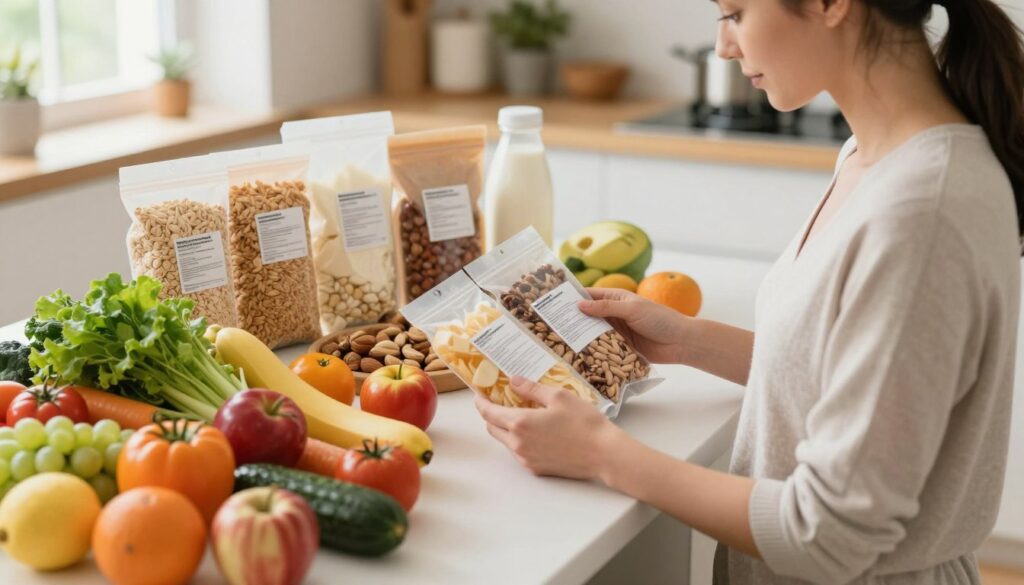
Learning to read nutrition labels is one of the most effective health and nutrition tips for busy women. When you take a moment to look past the front of the package, you gain the power to make choices that truly support your wellness goals. It is a simple habit that transforms how you view your grocery list.
Key Nutritional Information to Look For
Start by checking the serving size at the top of the label, as this dictates all other values listed. Many people overlook this, leading to accidental overconsumption of calories or sodium. Always compare the serving size to what you actually plan to eat.
Next, scan the ingredient list for hidden additives. Manufacturers often hide added sugars under various names like high fructose corn syrup, cane juice, or maltodextrin. Prioritize products with shorter ingredient lists where whole foods are listed first.
Finally, look for high fiber content to keep your digestion smooth and your energy levels stable throughout the day. These health and nutrition tips help you identify nutrient-dense options quickly. Aim for items that provide at least three grams of fiber per serving.
Common Misleading Claims on Packaging
Food companies often use clever marketing to make products seem healthier than they are. Terms like “all-natural” or “made with real fruit” are frequently used to distract you from high sugar or fat content. Do not let these bold claims replace your review of the actual nutrition facts panel.
Be wary of “low-fat” labels, which often compensate for flavor loss by adding extra sugar or thickeners. Always verify the total calorie count and sugar content before placing an item in your cart. Developing these skills is a vital part of your journey toward better health and nutrition tips that last a lifetime.
Finding Balance: Treats and Indulgences
A truly sustainable approach to wellness leaves plenty of room for the occasional indulgence. Many people struggle with the idea that eating well requires total restriction, but that is simply not true. A balanced diet is not about perfection; it is about creating a lifestyle that you can actually maintain for the long haul.
Incorporating Treats Without Guilt
When you view food as fuel rather than a source of shame, you can enjoy your favorite treats without feeling like you have failed. It is perfectly normal to crave something sweet or savory from time to time. By practicing moderation, you allow yourself to satisfy those cravings while staying on track with your overall health goals.
“Everything in moderation, including moderation.”
Instead of labeling foods as “good” or “bad,” try to focus on how they make you feel. When you give yourself permission to enjoy a treat, you are less likely to experience the cycle of restriction and bingeing. This mindset shift is essential for building a healthy relationship with what you eat.
Healthy Alternatives to Favorite Comfort Foods
You do not have to sacrifice flavor to nourish your body. There are many healthy recipes that mimic the comfort foods you love while providing better nutritional value. For example, you can swap heavy cream for Greek yogurt in sauces or use almond flour for a lighter take on baked goods.
Experimenting with these healthy recipes allows you to enjoy familiar textures and tastes without the heavy ingredients that often leave you feeling sluggish. By making small, intentional swaps, you can maintain a balanced diet that feels satisfying rather than restrictive. Remember, the goal is to find joy in your meals while supporting your long-term vitality.
Overcoming Challenges to Healthy Eating
Building a resilient routine requires acknowledging that perfection is not the goal, but consistency is. Even with the best intentions, life often throws curveballs that make Simple Eating Habits feel like a chore. By anticipating these common obstacles, you can create a sustainable path forward.
Dealing with Time Constraints
When your calendar is overflowing, the kitchen is often the first place where corners get cut. Batch cooking is a game-changer for busy professionals who need healthy meals ready at a moment’s notice. Dedicating just two hours on a Sunday to prep proteins and grains can save you significant stress during the work week.
Consider using a slow cooker or an Instant Pot to handle the heavy lifting while you focus on other tasks. These tools allow you to set it and forget it, ensuring a nutritious dinner is waiting when you return home. Embracing these Simple Eating Habits helps you avoid the temptation of expensive, less healthy takeout options.
Managing Picky Eaters in the Family
Feeding a family with varying tastes can feel like a full-time job in itself. The secret is to introduce new, healthy foods in approachable and creative ways rather than forcing them onto the plate. Try involving your family members in the meal preparation process to build excitement and ownership over what they eat.
When children or partners help choose vegetables or assemble a salad, they are much more likely to enjoy the final result. You can also try “deconstructed” meals where components are served separately, allowing everyone to customize their own portions. Implementing these Simple Eating Habits creates a positive environment where everyone feels included and satisfied.
The Role of Support Systems
Your commitment to a healthier life thrives when you surround yourself with the right people. You do not have to navigate the path to better health entirely on your own, as having a strong network can significantly increase your chances of success. By fostering these connections, you create a sustainable environment that encourages long-term adherence to your wellness lifestyle.
Building a Community for Healthy Living
Creating a community for healthy living involves reaching out to those who share your goals. Whether you connect with friends, family members, or local groups, having people who understand your vision makes a world of difference. You might consider these approaches to build your circle:
- Join local walking or fitness clubs in your neighborhood.
- Start a weekly healthy recipe exchange with friends or coworkers.
- Participate in online forums dedicated to balanced nutrition and active living.
Surrounding yourself with like-minded individuals provides the encouragement needed to stay on track. When you share your wellness lifestyle with others, you gain access to new ideas and perspectives that keep your routine fresh and exciting.
“Alone we can do so little; together we can do so much.”
Finding Accountability in Your Journey
Finding an accountability partner is one of the most effective ways to maintain your momentum. This person acts as a sounding board for your goals and helps you stay focused when life gets busy. You can share your wins, discuss your struggles, and celebrate the small milestones that lead to big changes.
Having someone to check in with ensures that you remain consistent with your wellness lifestyle. This partnership creates a safe space where you can be honest about your challenges without fear of judgment. Consistency is key, and having a partner makes showing up for yourself much easier.
Ultimately, your support system acts as the foundation for your long-term health. By investing time in these relationships, you ensure that your journey is not just a temporary fix, but a permanent shift toward a better, more vibrant version of yourself.
Staying Motivated on Your Healthy Eating Journey
Transforming your daily habits requires patience and a focus on long-term consistency. Applying these Health and Nutrition Tips helps you build a sustainable lifestyle that fits your busy schedule.
Setting Realistic Nutrition Goals
Focus on small changes that you can maintain over time. Setting massive, overnight goals often leads to burnout. Instead, pick one habit like drinking more water or adding a serving of spinach to your dinner. These manageable steps make it easier to stick with your plan.
Celebrating Small Wins: Keep Moving Forward
Acknowledge every positive choice you make throughout the week. Whether you chose a piece of fruit over a processed snack or prepared a meal at home, these moments matter. Tracking your progress helps you stay focused on your personal growth.
Your path to wellness is unique and personal. Keep using these Nutrition Tips to fuel your body and mind effectively. Small, consistent actions create lasting change for your health.