Have you ever wondered if a gentle movement practice could completely reshape your body from the inside out? Many people search for a fitness routine that feels sustainable, yet effective. Pilates Benefits for Women offer a unique path toward achieving a balanced, toned physique without the strain of high-impact training.
This method focuses on core stability, which serves as the foundation for all movement. By engaging deep muscles, you can transform your daily physical experience. Whether you are a beginner or an athlete, this approach supports long-term wellness.
Prioritizing Pilates for Women’s Health allows you to cultivate a stronger connection between your mind and body. It is an accessible way to refine your alignment and boost energy levels. Embracing this practice helps you move through life with greater ease and confidence.
Key Takeaways
- Builds deep core stability to support the spine.
- Enhances overall body alignment and daily movement patterns.
- Provides a low-impact workout suitable for all fitness levels.
- Promotes a mindful connection between mental and physical states.
- Supports long-term joint health and functional mobility.
What is Pilates and How Does It Work?
At its core, Pilates is more than just a workout; it is a system designed to harmonize the body and mind. Developed by Joseph Pilates in the early 20th century, this method focuses on controlled movements that engage the entire body. Instead of isolating specific muscle groups, the practice encourages full-body integration to build functional strength.
Understanding the Pilates Method
The Pilates method is a unique approach to fitness that prioritizes quality over quantity. By emphasizing precision and alignment, practitioners learn to move with greater efficiency. This focus on controlled movement is particularly beneficial for female health, as it helps prevent injury while building long, lean muscle tone.
Core Principles of Pilates
To master the practice, one must understand the six foundational principles that guide every movement. These pillars ensure that you get the most out of your training sessions. When you apply these concepts, you will quickly notice the Pilates Benefits for Women in your daily life.
| Principle | Focus Area | Primary Goal |
|---|---|---|
| Centering | Core muscles | Stability |
| Concentration | Mental focus | Mind-body connection |
| Control | Muscle engagement | Injury prevention |
| Precision | Alignment | Form accuracy |
The Role of Breath in Pilates
Breath is the engine that powers every Pilates exercise. By using intentional breathing patterns, you help oxygenate the blood and improve your mental focus. This rhythmic approach to respiration is essential for maintaining female health and reducing physical tension during challenging sequences.
When you coordinate your breath with your movement, you create a sense of flow that makes the exercise feel natural. This connection between the lungs and the muscles is what sets this method apart from traditional weightlifting. Consistent practice allows you to harness this power to improve your overall well-being.
Key Benefits of Pilates for Women
Strength training for women often brings to mind heavy gym equipment, but Pilates offers a more graceful and effective alternative. By utilizing your own body weight and specialized resistance tools, you can sculpt lean muscle while improving your overall physical health.
This method focuses on natural strength building, ensuring that your muscles develop in a balanced and sustainable way. It is a gentle yet challenging practice that respects the body’s limits while pushing it toward greater potential.
Enhancing Physical Strength
Pilates works by engaging deep muscle groups that are often neglected in traditional workouts. Through controlled, repetitive movements, you create long-term muscle tone that supports your frame without adding unnecessary bulk.
Whether you are using a reformer or a simple mat, the resistance provided by your own limbs helps build functional power. This form of strength training for women is highly adaptable, making it perfect for any fitness level.
Building Core Stability
Your core acts as the powerhouse for every movement you make throughout the day. By strengthening the deep abdominal muscles, you create a solid foundation that protects your spine and improves your balance.
Developing this stability is essential for reducing the risk of injury during daily activities. When your core is strong, your limbs can move with more freedom and precision, leading to better coordination in everything you do.
Boosting Athletic Performance
Athletes across various disciplines are increasingly turning to Pilates to gain a competitive edge. By focusing on functional power, you can improve your agility and endurance in other sports like running, swimming, or tennis.
This practice helps you move more efficiently, allowing you to perform at your peak for longer periods. Embracing natural strength building through Pilates ensures that your body remains resilient, flexible, and ready for any physical challenge you choose to pursue.
Flexibility Improvements Through Pilates
Pilates offers a unique approach to movement that prioritizes both strength and flexibility in every session. By focusing on controlled, fluid motions, this practice helps to lengthen and tone muscles simultaneously. Incorporating flexibility exercises into your routine can transform how your body feels during daily activities.
Stretching and Unlocking Tight Muscles
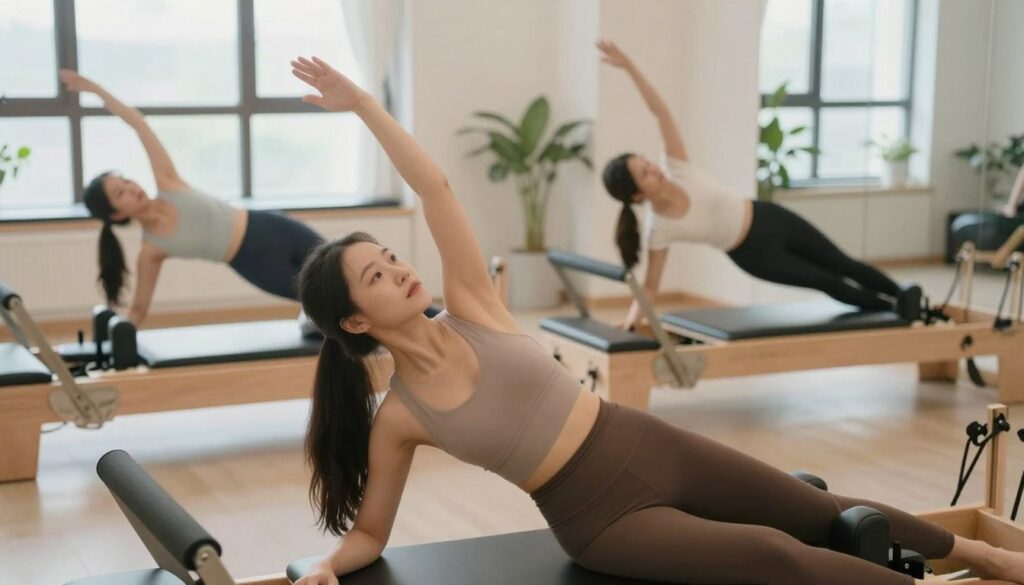
Many women experience significant tension in specific areas like the hips and shoulders due to long hours at a desk or repetitive movements. Pilates addresses these common pain points by using dynamic stretches that move the body through its full range of motion. Instead of static holding, you engage your muscles while stretching, which creates a more supple and agile frame.
Consistent practice allows you to release deep-seated tightness that often accumulates over time. By targeting the connective tissues, these flexibility exercises help you move with greater ease and grace. You will likely notice that your posture improves as your muscles become more balanced and less restricted.
Yoga and Pilates: Similarities in Flexibility
While yoga and Pilates are distinct disciplines, they share a common goal of improving physical range of motion. Both methods emphasize the importance of the mind-body connection to achieve deeper stretches safely. However, they differ in their execution and primary focus areas.
Yoga often utilizes static poses to hold a stretch for an extended period, which is excellent for deep tissue release. In contrast, Pilates uses flexibility exercises that are active and rhythmic, focusing on muscle control during the movement. The following table highlights the key differences between these two popular fitness styles:
| Feature | Pilates | Yoga |
|---|---|---|
| Primary Focus | Core Strength | Spiritual/Flexibility |
| Movement Style | Dynamic/Active | Static/Holding |
| Muscle Tone | High Engagement | Balanced Lengthening |
| Best For | Stability & Posture | Deep Relaxation |
Ultimately, choosing between these methods depends on your personal fitness goals. Many women find that combining both practices provides the best results for long-term mobility. By staying consistent with your flexibility exercises, you can maintain a healthy, active body for years to come.
Posture Correction and Alignment
Modern life frequently forces our bodies into hunched positions that compromise our natural alignment. Many women find that long hours at a desk or constant smartphone use lead to rounded shoulders and chronic discomfort. Achieving posture improvement is not just about standing tall; it is about retraining your body to support itself efficiently.
The Role of Pilates in Postural Awareness
Pilates serves as a powerful tool for developing deep internal awareness. By focusing on the mind-body connection, you learn to identify subtle imbalances in your spinal alignment before they become painful issues. This practice encourages you to engage the deep stabilizing muscles that often remain dormant during daily activities.
The method specifically targets the multifidus and the transverse abdominis. These deep core muscles act as a natural corset for your spine. When these areas are strong, they provide the necessary support to maintain an upright, confident stance throughout the day.
Exercises that Promote Better Posture
Incorporating specific movements into your routine can lead to significant posture improvement over time. Simple, controlled exercises help lengthen tight muscles while strengthening those that have become weak from inactivity. Consistency is the key to realigning your frame and reducing back strain.
Consider these foundational movements to support your spine:
- The Swan: This exercise opens the chest and strengthens the muscles along the upper back.
- Pelvic Tilts: These help stabilize the lower back and encourage a neutral spine position.
- Bird-Dog: This movement challenges your balance while forcing the core to stabilize the entire torso.
By dedicating time to these targeted movements, you can effectively counteract the negative effects of a sedentary lifestyle. Prioritizing your alignment today will pay dividends in your comfort and confidence for years to come.
Strengthening the Core: Why It Matters
Building a resilient foundation starts deep within your midsection, where true physical stability is born. Your core acts as the central engine of your body, encompassing the abdomen, lower back, and pelvic floor. By focusing on natural strength building, you create a sturdy base that supports your entire skeletal system during every movement.
Pilates Exercises Targeting the Core
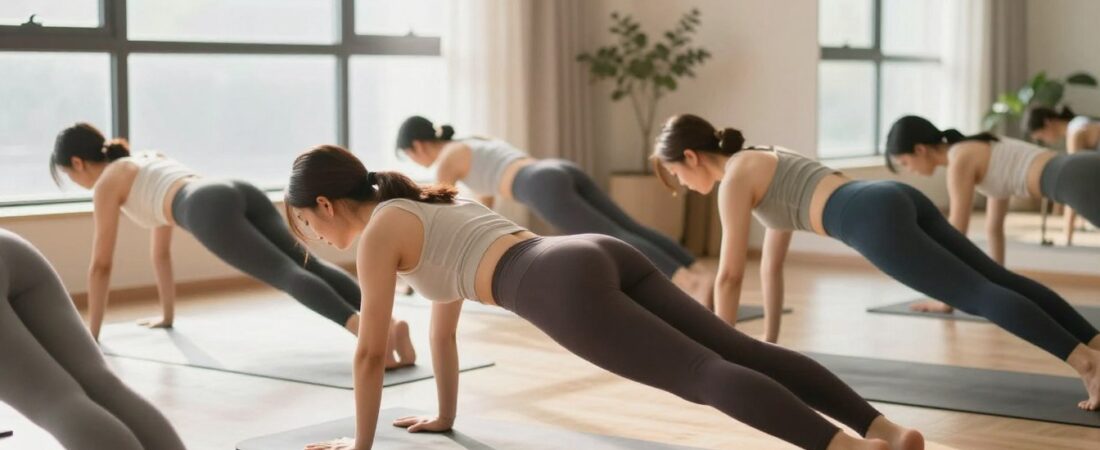
Pilates is highly effective because it engages deep muscle layers that traditional gym workouts often miss. Movements like the “Hundred” or the “Plank” require constant activation of the transverse abdominis, which acts like a natural corset for your spine. These exercises are a fantastic form of Strength Training for Women, as they prioritize control and precision over heavy lifting.
By consistently practicing these controlled movements, you train your body to maintain tension even when you are at rest. This deep engagement ensures that your spine remains protected and aligned throughout your daily routine. You will notice that your posture improves naturally as these deep muscles become more capable of supporting your frame.
The Impact of Core Strength on Daily Life
A strong core is not just about aesthetics; it is essential for the practical demands of your day. Whether you are lifting heavy groceries, carrying your children, or simply maintaining your balance while walking, your core is constantly at work. Developing this internal power makes these routine tasks feel significantly lighter and more manageable.
Furthermore, a stable midsection is your best defense against common aches and pains. By prioritizing natural strength building, you reduce the strain on your lower back and joints. Investing time in your core today is a proactive step toward long-term health and effective injury prevention for years to come.
Stress Relief and Mental Well-Being
Many women discover that the true power of Pilates lies in its ability to quiet a busy mind. While the physical transformation is often the initial draw, the mental health advantages are what keep practitioners coming back. Incorporating this practice into your Women’s Fitness routine provides a necessary escape from the pressures of daily life.
Mind-Body Connection in Pilates
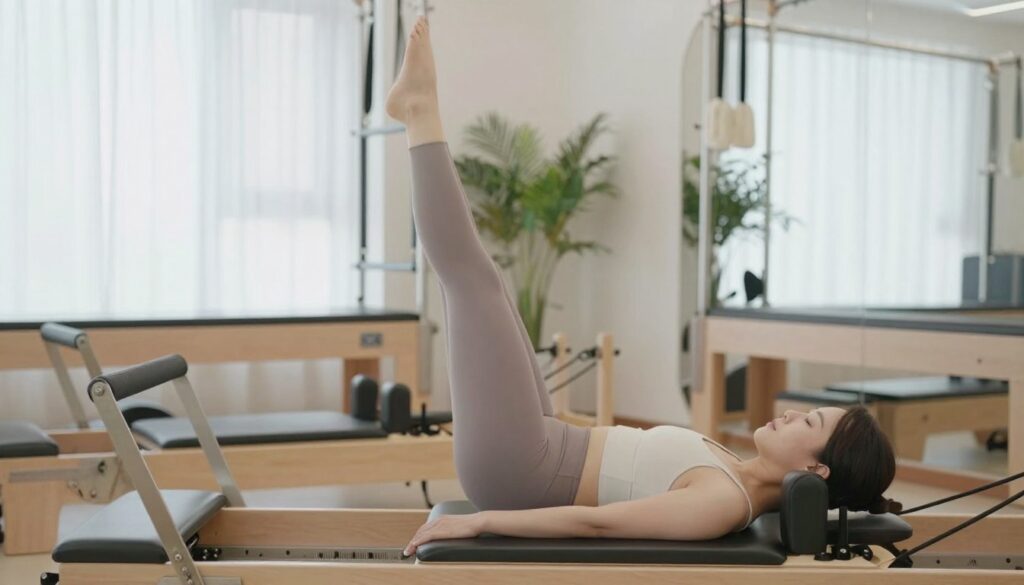
The core of the Pilates method relies on a deep mind-body connection. You must remain fully present, focusing your attention on the precision of every movement and the alignment of your spine. This level of concentration acts as a form of moving meditation, effectively clearing away mental clutter.
By shifting your focus inward, you learn to listen to your body’s signals. This awareness helps you identify areas of tension that often accumulate during stressful days. When you are completely engaged in the exercise, there is little room for intrusive thoughts or anxiety to take hold.
Techniques for Stress Reduction
Specific techniques within the practice are designed to lower cortisol levels and promote relaxation. Rhythmic breathing is perhaps the most vital tool, as it signals the nervous system to shift from a “fight or flight” state to a calm, restorative mode. Mindful movement further supports this transition by grounding you in the current moment.
Creating a dedicated space for self-care allows you to use these sessions as a natural buffer against stress. Whether you are at a studio or practicing at home, the consistency of your routine fosters emotional resilience. The following table highlights how these practices contribute to overall well-being.
| Benefit Category | Physical Impact | Mental Impact |
|---|---|---|
| Core Stability | Improved posture | Increased confidence |
| Breath Control | Enhanced lung capacity | Reduced anxiety levels |
| Mindful Movement | Better coordination | Lowered cortisol |
| Women’s Fitness | Increased muscle tone | Improved mood regulation |
Tailoring Pilates for Different Fitness Levels
One of the greatest strengths of Pilates is its incredible versatility for every woman. Regardless of your starting point, this practice evolves alongside your personal progress to support your long-term Women’s Fitness goals.
By adjusting the intensity and complexity of movements, you can ensure that your routine remains both safe and effective. This inclusive approach allows you to build a sustain able habit that honors your body’s current needs.
Modifications for Beginners
If you are new to the practice, focusing on foundational alignment is essential. Beginners often benefit from using props like foam rollers, yoga blocks, or resistance bands to provide extra support during challenging movements.
Reducing the range of motion is another effective way to maintain proper form while you build strength. By keeping movements smaller and more controlled, you protect your joints and learn to engage the correct muscles. This careful start is a cornerstone of successful Women’s Fitness programs.
Advanced Techniques for Experienced Practitioners
Once you have mastered the basics, you can introduce advanced techniques to increase the intensity of your sessions. Experienced practitioners often incorporate complex coordination patterns that challenge both the mind and the body simultaneously.
Adding instability, such as using a Pilates ball or performing exercises on a reformer, forces your core to work harder. These variations push your limits and help you achieve new milestones in your Women’s Fitness journey.
| Feature | Beginner Approach | Advanced Approach |
|---|---|---|
| Range of Motion | Small and controlled | Full and dynamic |
| Equipment | Props for support | Tools for resistance |
| Focus | Learning alignment | Increasing intensity |
| Goal | Building a habit | Refining performance |
Incorporating Pilates into Your Routine
Building a sustainable habit starts with small, intentional steps toward your wellness goals. You do not need to spend hours at the gym to see significant improvements in your physical health. By choosing Pilates workouts that fit your lifestyle, you can maintain consistency and enjoy long-term results.
Recommended Weekly Schedule
Consistency is the secret to success when starting any new fitness journey. Aiming for three to four sessions per week allows your muscles to recover while still providing enough stimulus for growth. You might choose to dedicate specific days to flexibility exercises to ensure your body remains supple and injury-free.
“Consistency is what transforms average into excellence. It is not about being perfect; it is about showing up for yourself every single day.”
Consider the following weekly structure to balance your activity levels effectively:
| Day | Activity Type | Focus Area |
|---|---|---|
| Monday | Pilates | Core Strength |
| Tuesday | Cardio | Heart Health |
| Wednesday | Pilates | Flexibility |
| Thursday | Rest/Stretch | Recovery |
| Friday | Pilates | Full Body |
Combining Pilates with Other Workouts
Integrating different forms of movement creates a well-rounded fitness regimen that supports your overall health. You can easily pair Pilates workouts with high-intensity cardio or weight training to maximize your gains. For instance, performing a session after a run helps lengthen tight muscles and improves your recovery time.
When you combine these methods, you create a balanced approach that targets both strength and mobility. Using flexibility exercises as a cool-down after a heavy lifting session is a great way to prevent stiffness. Planning your week in advance ensures that you stay on track and reach your fitness milestones with confidence.
Success Stories: Real Women, Real Results
Hearing about the benefits of Pilates is one thing, but seeing the real-life impact on women is truly inspiring. Many practitioners discover that their fitness journey reaches a new peak once they commit to a consistent routine. These stories highlight how posture improvement and physical strength can change your daily life.
Testimonials from Pilates Enthusiasts
Women from all walks of life share how this method helped them regain control over their bodies. Whether recovering from an injury or seeking a stronger core, the results are often life-changing. Consistency is the secret ingredient that turns small movements into significant milestones.
“Pilates gave me back the confidence I thought I had lost. I feel taller, stronger, and more capable in everything I do.”
Transformations: Before and After
The journey toward better health is rarely a straight line, but the cumulative effects are undeniable. Many women report that posture improvement becomes noticeable within just a few months of regular practice. This shift in alignment often leads to reduced back pain and a more graceful way of moving through the world.
The following table outlines the common milestones many women experience during their first year of dedicated practice:
| Timeframe | Physical Change | Mental Benefit |
|---|---|---|
| 1-3 Months | Increased core tone | Better focus |
| 4-6 Months | Visible posture improvement | Reduced stress |
| 6-12 Months | Enhanced flexibility | Higher confidence |
These transformations serve as a powerful reminder that your body is capable of incredible change. By focusing on posture improvement and steady progress, you can build a foundation for long-term wellness. Remember that every session brings you one step closer to your personal goals.
Common Misconceptions About Pilates
Many people feel hesitant to begin their fitness journey because of persistent rumors they have heard. It is time to clear the air regarding some of the most common myths about Pilates workouts. By understanding the truth, you can approach your practice with confidence and clarity.
Debunking Myths Around Pilates
One of the most frequent misconceptions is that you must already be flexible to participate. In reality, flexibility is a result of the practice, not a requirement for starting. You do not need to touch your toes on day one to see progress.
Another common myth suggests that these sessions are only for elite athletes or dancers. This could not be further from the truth. Pilates workouts are designed to be accessible to everyone, regardless of their current fitness level or background.
Clarifying Pilates Safety
Safety remains a top priority for anyone looking to improve their health. Because the movements are low-impact, they place minimal stress on your joints and ligaments. This makes the method an excellent choice for women of all ages and body types.
Whether you are recovering from an injury or simply looking for a sustainable way to stay active, this practice offers a safe environment. You can modify every movement to suit your specific needs, ensuring that you stay comfortable while building strength. Consistent Pilates workouts provide a foundation for long-term wellness without the wear and tear associated with high-impact sports.
| Common Myth | The Reality | Benefit |
|---|---|---|
| Only for flexible people | Increases flexibility over time | Improved range of motion |
| Too difficult for beginners | Highly scalable and modified | Safe entry point for all |
| Requires expensive gear | Can be done with just a mat | Accessible home practice |
| Only for weight loss | Focuses on functional strength | Better posture and stability |
By dispelling these myths, we hope you feel empowered to start your journey today. Remember that your path is unique, and Pilates workouts are there to support your personal growth at every stage.
Getting Started with Pilates
Embarking on a fitness journey creates a positive shift in your daily life. Prioritizing Female Health through consistent movement builds a foundation for long-term vitality and confidence.
Locating Professional Guidance
Search for certified instructors through reputable organizations like the Pilates Method Alliance. Local studios often offer introductory sessions to help you find a teacher who matches your specific needs. Online platforms such as Alo Moves or Gaia provide high-quality instruction if you prefer learning from home.
Building Your Home Studio
You only need a few basic items to support your practice of Pilates for Women’s Health. A high-density foam mat provides the necessary cushion for your spine during floor work. Resistance bands and a magic circle add variety to your routine as you grow stronger.
Consistency remains the most important tool in your kit. Start with short sessions to build a sustainable habit that honors your body. Your commitment today paves the way for a stronger and more balanced future.