
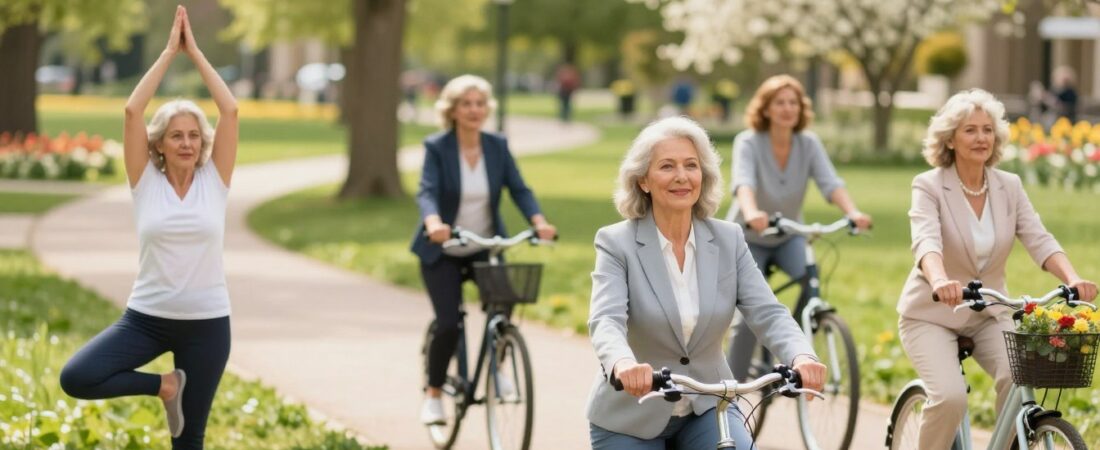
Have you ever wondered if your future vitality is determined by genetics or the daily choices you make right now? Many people view the passage of time with apprehension, yet it represents a remarkable opportunity to refine your lifestyle. Embracing this phase as a natural, empowering journey allows you to maintain your zest for life.
By focusing on proactive wellness decisions, you can ensure your body remains capable and self-reliant. This guide serves as a comprehensive roadmap designed to help you prioritize long-term well-being. Through simple, consistent actions, you will discover how to thrive in your later years with confidence.
Key Takeaways
- Adopt a positive mindset to view life transitions as empowering milestones.
- Prioritize daily movement to maintain physical capability and mobility.
- Focus on nutrient-dense nutrition to fuel your body effectively.
- Cultivate social connections to support mental and emotional resilience.
- Implement consistent routines that foster long-term self-reliance.
Understanding Healthy Aging for Women
As women navigate the various chapters of life, understanding the body’s natural shifts becomes essential for long-term vitality. Healthy aging for women is not merely about the absence of disease; it is a holistic journey that requires intentional care for both the body and the mind. By recognizing these changes early, you can better advocate for your specific needs and make informed decisions about your future.
The Importance of Staying Active
Physical movement serves as the foundation for maintaining independence as you grow older. Regular activity is directly linked to preserving cognitive function and emotional stability, which are vital components of Women’s Health. When you stay active, you support your cardiovascular system and keep your muscles strong enough to handle daily tasks with ease.
Physical vs. Mental Health
It is a mistake to view the body and mind as separate entities. In reality, your physical state significantly influences your mood, while your mental outlook dictates how well you manage physical challenges. Prioritizing Women’s Health means nurturing your emotional well-being through stress reduction and social engagement alongside your fitness routine.
The Aging Process Explained
The biological and psychological shifts that occur during the transition through different life stages are completely natural. Hormonal changes and metabolic adjustments are standard parts of the aging process that every woman experiences. Understanding these shifts allows you to approach Healthy Aging for Women with confidence rather than fear.
| Focus Area | Primary Benefit | Actionable Step |
|---|---|---|
| Physical Fitness | Increased Mobility | Daily walking or yoga |
| Mental Clarity | Reduced Stress | Mindfulness practice |
| Preventive Care | Early Detection | Annual health screenings |
| Social Connection | Emotional Support | Community involvement |
By integrating these pillars into your lifestyle, you create a sustainable path toward longevity. Embracing this proactive approach ensures that you remain strong, capable, and vibrant throughout every stage of your life.
Nutrition for Longevity
Proper nutrition acts as the primary fuel for maintaining your vitality as you age. By choosing whole, unprocessed foods, you provide your body with the essential building blocks needed to thrive. These wellness tips focus on simple adjustments that yield significant long-term benefits for your physical and mental well-being.
Key Nutrients for Women’s Health
As the body changes, specific nutrients become vital for maintaining bone density and cognitive function. Calcium and Vitamin D are non-negotiable for skeletal strength, while Vitamin B12 supports nerve health and energy production. Prioritizing these elements is a cornerstone of proactive Women’s Health.
Protein intake also requires careful attention to prevent muscle loss. Incorporating lean sources like poultry, beans, or tofu ensures your body stays strong and resilient. Aim to include a variety of colorful vegetables to capture a wide spectrum of antioxidants.
Meal Planning Tips for Seniors
Preparing healthy meals does not have to be a chore. Batch cooking on weekends allows you to have nutritious options ready for the entire week. This strategy saves time and prevents the temptation of reaching for less healthy, pre-packaged alternatives.
Keep your pantry stocked with staples like canned chickpeas, brown rice, and frozen vegetables. These items make it easy to assemble a balanced plate in minutes. Remember that wellness tips are most effective when they fit seamlessly into your daily routine.
Healthy Snack Alternatives
Snacking can be a great way to maintain steady energy levels throughout the day. Instead of sugary treats, opt for snacks that combine fiber and protein to keep you satisfied. A handful of almonds or a cup of Greek yogurt with fresh berries provides a perfect nutritional boost.
| Nutrient | Primary Benefit | Best Food Sources |
|---|---|---|
| Calcium | Bone Density | Kale, Yogurt, Sardines |
| Vitamin D | Immune Support | Salmon, Fortified Milk |
| Fiber | Digestive Health | Oats, Lentils, Apples |
| Omega-3 | Heart Health | Walnuts, Chia Seeds |
Focusing on these whole food choices helps reduce the risk of age-related complications. By making small, consistent changes to your diet, you invest in a future of independence and strength. Your body will thank you for the extra care.
Exercise Routines to Stay Fit
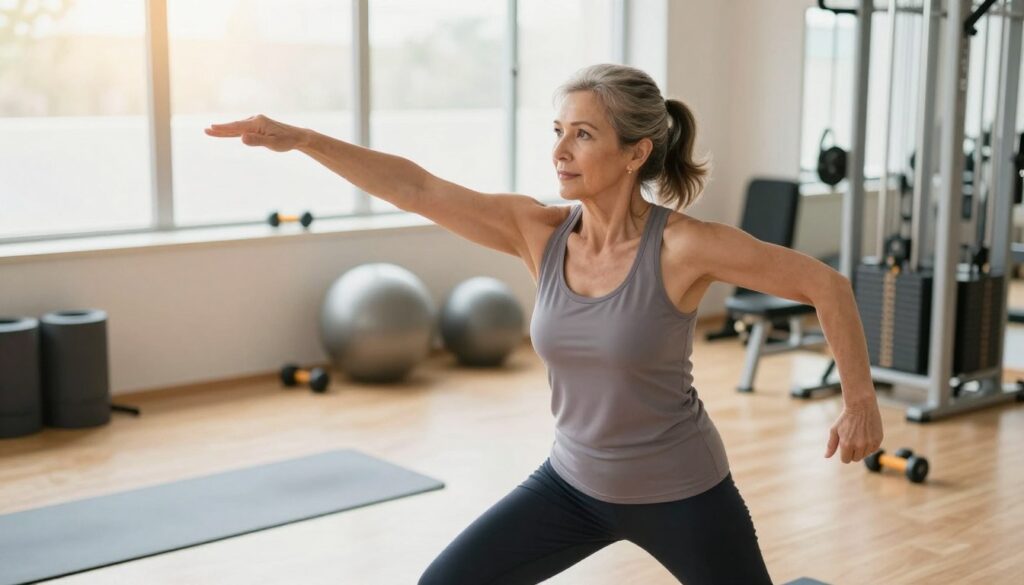
Building a sustainable fitness routine is the secret to maintaining your independence for years to come. When you focus on movement that feels rewarding, you are more likely to stay active throughout your life. Embracing female fitness means listening to your body and choosing activities that support your unique physical journey.
Types of Exercises for Different Ages
Your exercise needs change as you move through different life stages. In your 40s and 50s, the focus often shifts toward maintaining metabolic health and bone density. By the time you reach your 60s and beyond, the goal becomes preserving mobility and balance.
- 40s-50s: Incorporate high-intensity interval training (HIIT) and resistance work.
- 60s+: Prioritize functional movements like squats, lunges, and balance-focused yoga.
- All ages: Walking, swimming, and cycling provide excellent low-impact aerobic benefits.
Strength Training Benefits
Strength training is a cornerstone of health for women. It is essential for building strong bones and maintaining muscle mass, which naturally declines with age. By lifting weights or using resistance bands, you protect your joints and significantly reduce the risk of falls.
This type of training does more than just build muscle. It boosts your metabolism and helps you feel more capable in your daily tasks. Whether you use light dumbbells or bodyweight exercises, consistency is the key to long-term success.
Balancing Flexibility and Cardio
A well-rounded routine combines aerobic activity with flexibility work to keep you feeling agile. Cardio exercises like brisk walking or dancing keep your heart healthy and improve your stamina. Meanwhile, stretching or Pilates helps you stay active by keeping your muscles supple and your joints fluid.
Finding the right balance prevents burnout and keeps your workouts enjoyable. Aim for a mix that leaves you feeling energized rather than exhausted. When you feel strong and flexible, you are better equipped to enjoy every aspect of your life with confidence.
Mental Wellness and Healthy Aging
Mental wellness serves as the foundation for aging gracefully and maintaining a vibrant life. While physical health often takes center stage, your emotional state dictates how you experience the world around you. Prioritizing your inner peace allows you to navigate life’s transitions with greater ease and confidence.
Strategies for Stress Management
Life brings unique emotional complexities as we grow older, making effective stress management essential. One of the most effective wellness tips involves identifying your personal triggers early. By recognizing what causes tension, you can implement proactive solutions before stress impacts your daily joy.
Journaling and deep breathing exercises are simple yet powerful tools to regain control. These habits help you process feelings rather than letting them accumulate. Consistency is key when building a resilient mindset that supports long-term happiness.
Importance of Community and Socialization
Maintaining a strong sense of purpose is deeply linked to your psychological health. Engaging with others provides a vital support system that keeps you grounded and motivated. Whether through local clubs or volunteer work, staying connected fosters a deep sense of belonging.
Socialization acts as a buffer against the isolation that can sometimes accompany later life. When you share your experiences with peers, you gain new perspectives that enrich your journey. Remember that meaningful interactions are just as important as physical activity for your overall well-being.
Mindfulness and Meditation Practices
Cultivating a calm and focused mind is a cornerstone of aging gracefully. Mindfulness encourages you to stay present, which helps reduce anxiety about the future. By dedicating even a few minutes each day to quiet reflection, you can significantly improve your emotional stability.
Meditation practices offer practical wellness tips for anyone seeking to quiet the noise of a busy life. These techniques help you embrace the present moment with clarity and grace. As you practice, you will find that you handle life’s inevitable changes with much more resilience and inner strength.
Preventive Health Screenings
Taking charge of your health today is the best way to ensure you remain independent for years to come. Preventive care acts as a vital safety net, allowing you to identify potential concerns before they evolve into serious conditions. By staying proactive, you gain the freedom to focus on the activities you love most.
Recommended Screenings for Women
Medical guidelines suggest specific tests based on your age and risk factors. Common screenings include annual mammograms for breast health and regular Pap smears to monitor cervical wellness. Bone density scans are also essential to detect early signs of osteoporosis, which helps prevent fractures and maintains your mobility.
Do not overlook routine blood pressure and cholesterol checks. These simple tests provide a clear picture of your cardiovascular health. Keeping these numbers in a healthy range is a cornerstone of long-term wellness.
Understanding Your Family Health History
Your genetic background offers valuable clues about your future health risks. Sharing a detailed family history with your doctor allows for a more personalized wellness plan. If certain conditions like heart disease or diabetes run in your family, your physician can schedule more frequent screenings.
This collaborative approach ensures that you are not just reacting to symptoms. Instead, you are building a strategy tailored to your unique biological needs. Knowledge of your history empowers you to make informed lifestyle choices every single day.
How Regular Check-ups Promote Independence
Regular visits to your healthcare provider are about much more than treating illness. They are a proactive way to ensure you stay independent and capable of managing your daily life. When you catch issues early, you often have more treatment options and better recovery outcomes.
Consistent monitoring helps you maintain the strength and stamina required for an active lifestyle. By prioritizing these appointments, you are investing in your future self. Ultimately, staying on top of your health is the most effective way to protect your personal autonomy and enjoy a high quality of life.
Building Strong Relationships
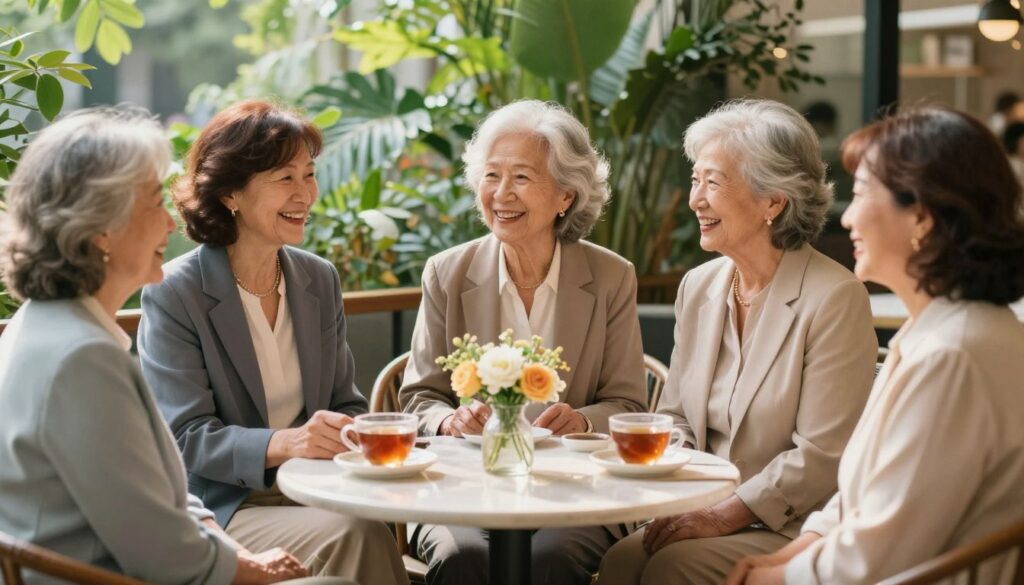
Human connection serves as a vital anchor for emotional and cognitive well-being as we age. While many focus solely on physical fitness, nurturing your social circle is equally essential for a balanced and healthy life. Prioritizing these bonds helps create a support system that makes the golden years more rewarding.
Importance of Social Connections
Loneliness can have a significant impact on your overall health, often leading to increased stress and cognitive decline. By maintaining active social ties, you effectively lower your risk of isolation and keep your mind sharp. A robust senior lifestyle relies on these interactions to provide a sense of purpose and belonging.
Ways to Forge New Friendships
It is never too late to expand your circle and meet like-minded individuals. Start by attending local workshops, book clubs, or fitness classes where you can naturally strike up conversations. Taking the initiative to introduce yourself to a neighbor or a fellow attendee can lead to lasting, meaningful friendships.
Consider using digital platforms designed for local interest groups to find people who share your hobbies. Whether it is gardening, painting, or hiking, shared interests provide the perfect foundation for a new connection. Embracing a senior lifestyle means being open to these new experiences and welcoming fresh faces into your daily routine.
Engaging in Community Activities
Getting involved in your local community is a fantastic way to stay active and connected. Many towns offer volunteer opportunities that allow you to give back while meeting diverse groups of people. Volunteering not only boosts your mood but also helps you feel like an integral part of your neighborhood.
Look for community centers that host events specifically for older adults. These spaces are designed to foster interaction and provide a safe environment for social growth. By participating in these activities, you solidify your senior lifestyle and ensure that you remain a vibrant, connected member of your community.
Embracing Technology for a Better Lifestyle
Staying ahead of the curve with new technology is a fantastic way to enrich your senior lifestyle. Modern digital tools provide incredible opportunities to simplify daily tasks and maintain your independence. By integrating these advancements into your routine, you can take proactive control of your well-being.
Using Apps for Health and Wellness
Smartphone applications have transformed how we manage our personal health. You can easily download tools to track your daily fitness goals, monitor your heart rate, or set reminders for your medication schedules. These apps act as a personal assistant, ensuring you never miss a dose or a workout.
Consistency is the key to long-term health. Using intuitive interfaces, you can visualize your progress over time, which provides a great sense of accomplishment . Whether you are counting steps or logging your water intake, technology makes healthy habits feel like a rewarding game.
Telehealth Benefits for Seniors
The rise of telehealth has made high-quality medical care more accessible than ever before. You no longer need to worry about travel time or waiting rooms for routine check-ups. Instead, you can consult with medical professionals from the comfort of your own home using a simple video call.
This digital shift is particularly helpful for managing ongoing health concerns. It allows for frequent communication with your doctor, ensuring that any changes in your health are addressed quickly. Embracing this convenience is a vital step in maintaining a balanced senior lifestyle.
Staying Connected with Loved Ones Online
Technology serves as a bridge that keeps you close to family and friends, regardless of the distance. Video conferencing platforms allow you to share special moments, see your grandchildren grow, and participate in family gatherings virtually. These connections are essential for emotional well-being and combatting feelings of isolation.
Beyond video calls, social media and messaging apps help you stay updated on the lives of those you love. By learning these simple digital skills, you ensure that your senior lifestyle remains vibrant and socially active. Staying connected has never been easier or more meaningful.
Managing Chronic Conditions
You can take control of your health journey even when facing chronic medical conditions. While these challenges may seem daunting, they do not have to define your daily experience or limit your potential. By staying informed and proactive, you can maintain a high quality of life and continue pursuing your passions with confidence.
Common Conditions Affects Aging Women
Many women encounter specific health hurdles as they enter their later years. Common issues include hypertension, which requires careful monitoring, and osteoarthritis, which often impacts joint mobility. Additionally, managing blood sugar levels for diabetes and maintaining bone density to prevent osteoporosis are frequent priorities for many.
Recognizing these conditions early allows for better outcomes. Understanding how your body reacts to these changes is the first step toward effective self-care. Knowledge truly is power when it comes to your long-term wellness.
Strategies for Effective Management
Consistency is the secret to successful health management. Integrating Female Fitness into your weekly routine helps improve cardiovascular health and joint strength, even if you are managing a chronic condition. Always consult with your healthcare provider before starting a new exercise program to ensure it is safe for your specific needs.
“The greatest wealth is health. By taking small, consistent steps today, you are investing in a more vibrant and independent tomorrow.”
Beyond physical activity, focus on balanced nutrition and strict medication adherence. Keeping a daily log of your symptoms and energy levels can provide your doctor with valuable insights during your check-ups. The following table outlines how different lifestyle choices support your health goals.
| Strategy | Primary Benefit | Frequency |
|---|---|---|
| Gentle Yoga | Improved Flexibility | 3x Weekly |
| Balanced Diet | Stable Blood Sugar | Daily |
| Walking | Heart Health | Daily |
| Health Logs | Better Diagnostics | Weekly |
When to Seek Medical Help
Knowing when to reach out to a professional is just as important as your daily habits. You should contact your doctor if you notice sudden changes in your energy levels, unexplained pain, or symptoms that do not improve with your usual routine. Do not wait for a scheduled appointment if you feel something is significantly wrong.
Prioritizing Female Fitness and overall wellness means listening to your body’s signals. If you experience dizziness, shortness of breath, or persistent discomfort, seek medical guidance immediately. Your health team is there to support you in navigating these complexities so you can remain active and independent for years to come.
Sleep Hygiene for Better Health
Achieving deep, restorative sleep is the cornerstone of a vibrant life as you age. While rest often becomes more elusive during the later stages of life, it remains a non-negotiable requirement for your overall well-being. By focusing on your nightly habits, you can reclaim the energy needed to stay active and independent.
Tips for Enhancing Sleep Quality
Optimizing your bedroom environment is the first step toward better rest. Keep your sleeping space cool, dark, and quiet to signal to your body that it is time to wind down. Investing in blackout curtains or a white noise machine can make a significant difference in how quickly you fall asleep.
Managing light exposure throughout the day is equally important. Try to get natural sunlight early in the morning to help regulate your internal clock. Limiting screen time at least one hour before bed prevents blue light from interfering with your natural melatonin production.
The Impact of Sleep on Aging
Quality sleep acts as a vital recovery period for both your brain and body. During deep sleep, your body repairs tissues and consolidates memories, which is essential for maintaining sharp cognitive function. Without adequate rest, you may notice increased irritability and a decline in physical stamina.
Chronic sleep deprivation can also affect your immune system and metabolic health. Prioritizing rest helps you stay resilient against the common challenges that come with the aging process. Think of sleep as a daily investment in your long-term health and vitality.
Creating a Relaxing Bedtime Routine
Establishing a consistent schedule helps your brain recognize when it is time to transition into sleep mode. Try to go to bed and wake up at the same time every day, even on weekends. This regularity reinforces your body’s natural sleep-wake cycle.
Incorporate calming activities into your final hour before bed to lower your stress levels. Simple habits like reading a book, practicing gentle stretching, or listening to soft music can prepare your mind for rest. Avoid heavy meals or caffeine late in the evening to ensure your body remains relaxed throughout the night.
| Habit Category | Recommended Action | Benefit |
|---|---|---|
| Environment | Use blackout curtains | Reduces light disruption |
| Consistency | Set a fixed bedtime | Regulates internal clock |
| Relaxation | Gentle stretching | Lowers physical tension |
| Nutrition | Avoid caffeine after 2 PM | Prevents sleep latency |
Cultivating a Positive Mindset
Your perspective on life serves as the foundation for your long-term wellness. A bright outlook acts as a powerful tool that helps you navigate the natural changes of time with ease. By focusing on mental resilience, you unlock the ability to thrive at any age.
The Power of Your Inner Voice
Daily affirmations help shift your focus toward what you can control. Positive self-talk builds the confidence needed to maintain these Proven Habits throughout your life. When you speak kindly to yourself, you create a supportive environment for your body and mind to flourish.
Embracing Every New Chapter
Life brings constant shifts that require flexibility and grace. You possess the strength to adapt to these transitions while keeping your goals in sight. Choosing to see the beauty in each phase is the secret to Aging Gracefully.
Start your journey today by setting small, intentional goals for your mental health. Share your progress with friends or join a local group to stay inspired. Your commitment to a healthy lifestyle creates a lasting legacy of strength and joy for years to come.