

Did you know that nearly 70% of residential structural cracks are caused by natural material expansion rather than foundation failure? Many homeowners in the United States remain unaware of wanddehnung, a common phenomenon where building materials shift due to temperature and humidity changes.
This process, often referred to as wand stretching, can lead to unsightly fissures if left unaddressed. Understanding how your home reacts to environmental stress is the first step toward effective property maintenance.
By mastering the basics of wall flexibility training, you can protect your investment and prevent costly repairs. This guide provides the essential tools to identify, manage, and mitigate these natural movements in your walls.
Key Takeaways
- Most wall cracks result from natural material expansion rather than structural failure.
- Wanddehnung is a misunderstood process that affects many American homes.
- Regular monitoring helps distinguish between cosmetic issues and serious damage.
- Wall flexibility training techniques can help stabilize your home’s interior surfaces.
- Proactive maintenance saves homeowners significant money on long-term repairs.
What is Wanddehnung?
Many homeowners confuse standard settling with the more complex phenomenon known as wanddehnung. While minor cosmetic cracks are often harmless, this specific type of movement indicates a deeper interaction between your home’s materials and the environment.
Definition of Wanddehnung
At its core, wanddehnung refers to the physical expansion or tension-related shifting of wall materials. Unlike simple foundation settling, which usually happens shortly after construction, this process can occur at any stage of a building’s life cycle. It is often compared to wand stretching, where materials reach their limit due to external pressures.
Sometimes, homeowners attempt to mitigate these shifts through wall flexibility training, which involves adjusting the environment to allow for natural material movement. However, distinguishing this from structural failure is vital. As one expert in the field once noted:
“A house is a living, breathing entity that reacts to the world around it; understanding its subtle movements is the first step toward true preservation.”
Importance in Home Maintenance
Recognizing these patterns early is essential for maintaining the structural integrity of your property. When you monitor your walls proactively, you can distinguish between harmless seasonal expansion and dangerous structural instability.
Ignoring these signs often leads to significant repair projects that could have been avoided with simple, timely interventions. By staying vigilant, you protect your investment and ensure your home remains a safe, stable environment for years to come.
Causes of Wanddehnung
Walls are not static structures; they react dynamically to their surroundings every single day. While many homeowners assume their homes are rigid, the reality is that building materials constantly shift. This process, often referred to as wanddehnung, is a natural response to various physical pressures.
Environmental Factors
External conditions play a massive role in how your home behaves. High humidity levels can cause porous materials like wood and drywall to absorb moisture, leading to subtle expansion. Conversely, dry air causes these same materials to shrink, which is a form of wand stretching that can lead to visible gaps.
Structural Issues
Sometimes, the movement originates from the foundation rather than the wall surface itself. If the ground beneath your home shifts, the entire frame may experience stress. Think of this as a type of wall flexibility training where the structure is forced to adapt to an uneven base, often resulting in diagonal cracks.
Seasonal Changes
Temperature fluctuations throughout the year create a cycle of expansion and contraction. During the summer, heat causes materials to expand, while winter cold triggers a contraction phase. This rhythmic movement is normal, but it can become problematic if the materials lack the necessary room to breathe.
Material Quality
The type of materials used during construction significantly dictates how much movement occurs. High-quality, seasoned lumber is generally more stable than cheaper, moisture-rich alternatives. When builders use inferior materials, the risk of excessive wand stretching increases, making the walls more prone to warping over time.
- Moisture content in building materials.
- Foundation stability and soil composition.
- Thermal expansion coefficients of different materials.
- Age of the structure and material degradation.
By monitoring these factors, you can better manage the effects of wanddehnung and ensure your home remains in top condition for years to come.
Signs of Wanddehnung in Your Home
Your walls often communicate their condition through subtle physical changes that you should not ignore. Identifying these indicators early is vital for preventing long-term damage. By learning to spot the signs of wanddehnung, you can distinguish between simple settling and more serious structural concerns.
Cracks in Walls
One of the most common indicators of stress is the appearance of cracks. While small, hairline fractures are often harmless, larger or diagonal cracks may signal significant wall elongation. These fissures often appear near corners or around ceiling joints where materials meet.
It is important to monitor these cracks over time. If they continue to widen or grow in length, it suggests that the wall is under persistent pressure. Taking photos of these areas can help you track changes and determine if professional intervention is necessary.
Bulging or Warping
Visible distortion in the surface of a wall is a clear warning sign. When a wall loses its wand flexibility, it may begin to bow outward or develop a noticeable bulge. This often happens when internal moisture or structural shifting forces the material out of its original plane.
You can check for this by holding a long, straight level against the wall surface. If you see significant gaps between the tool and the wall, the structure is likely compromised. Addressing this quickly is essential to prevent further degradation of the wall’s integrity.
Gaps Around Doors and Windows
The frames of your doors and windows are sensitive indicators of movement. If you notice that doors no longer latch properly or windows become difficult to slide, the surrounding wall may be shifting. These gaps are classic symptoms of wanddehnung affecting the frame alignment.
Pay close attention to the trim and molding around these openings. If you see separation or uneven gaps, it indicates that the wall is moving independently of the frame. Regular inspections of these areas will help you catch structural distress before it leads to more expensive repairs.
How Wanddehnung Affects Your Home
Your home is a complex system where even minor wall changes can trigger a chain reaction. While many homeowners initially view wall shifts as a simple cosmetic nuisance, the reality is often more complex. Understanding the hidden consequences of wanddehnung is essential for maintaining both the beauty and the safety of your living environment.
Impact on Aesthetics
The most immediate effect of wall elongation is the visible degradation of your home’s interior finish. Cracks that appear along joints or corners can make a well-maintained room look neglected and aged. These blemishes often worsen over time, turning small hairline fractures into unsightly gaps that are difficult to hide with paint or wallpaper alone.
Beyond the visual frustration, these issues can significantly lower your property’s market appeal. Potential buyers often view persistent wall cracks as a sign of poor maintenance or underlying instability. Keeping your walls smooth and intact is a critical factor in preserving the resale value of your residence.
Potential Structural Damage
When a wall loses its natural wand flexibility, it can no longer effectively distribute the weight of the structure. This loss of integrity often leads to more severe issues, such as sagging ceilings or uneven floor levels. If left unchecked, the stress caused by constant movement can compromise the load-bearing capacity of your home’s frame.
“A home is only as strong as its weakest wall; ignoring early signs of structural stress is a gamble no homeowner should take.”
Safety Risks
The long-term safety of your household depends on the stability of your walls. As wall elongation progresses, the risk of falling debris or compromised door frames increases, which can trap occupants during an emergency. Ensuring your home maintains proper wand flexibility is not just about aesthetics; it is about creating a secure environment for your family.
| Risk Category | Primary Concern | Severity Level |
|---|---|---|
| Aesthetic | Visible cracks and peeling | Low |
| Structural | Load-bearing instability | High |
| Safety | Falling debris and entrapment | Critical |
Assessing the Severity of Wanddehnung
Identifying the early signs of wall movement is a critical skill for every homeowner. While some shifts are normal, understanding the difference between cosmetic settling and serious wanddehnung helps you maintain your property value. By staying observant, you can catch potential issues before they escalate into expensive repairs.
DIY Inspection Techniques
You can perform a basic assessment using a few simple tools found in most garages. Start by using a four-foot level to check if your walls remain perfectly vertical. If you notice significant gaps between the level and the surface, you may be dealing with excessive wand flexibility.
Keeping a visual log is another effective strategy for monitoring wall elongation. Take clear photos of any cracks every few months to see if they are widening or lengthening over time. You can also place a small piece of masking tape across a crack; if the tape tears, the wall is actively moving.
When to Call a Professional
Certain signs indicate that your home requires an expert eye immediately. If you notice doors that no longer latch or windows that stick, these are classic indicators of structural shifting. You should also seek professional help if you see diagonal cracks that are wider than a quarter-inch or if you hear audible popping sounds from your walls.
The following table helps you distinguish between manageable maintenance and situations requiring a structural engineer.
| Issue Type | Visual Sign | Action Required |
|---|---|---|
| Cosmetic | Hairline cracks in paint | Monitor periodically |
| Moderate | Small drywall gaps | Fill and repaint |
| Severe | Large, diagonal cracks | Call a professional |
| Critical | Bulging or bowing walls | Immediate inspection |
Ultimately, your safety is the top priority when evaluating wall elongation. If you feel uncertain about the stability of your home, it is always better to err on the side of caution. A professional inspection provides peace of mind and ensures that any underlying wand flexibility is addressed correctly.
DIY Solutions for Minor Wanddehnung
When you notice small shifts in your home’s interior, simple DIY repairs are often the best first step. Addressing minor wanddehnung early prevents small cosmetic issues from turning into expensive structural headaches. By using the right materials, you can restore the smooth appearance of your walls with minimal effort.
Filling Cracks and Gaps
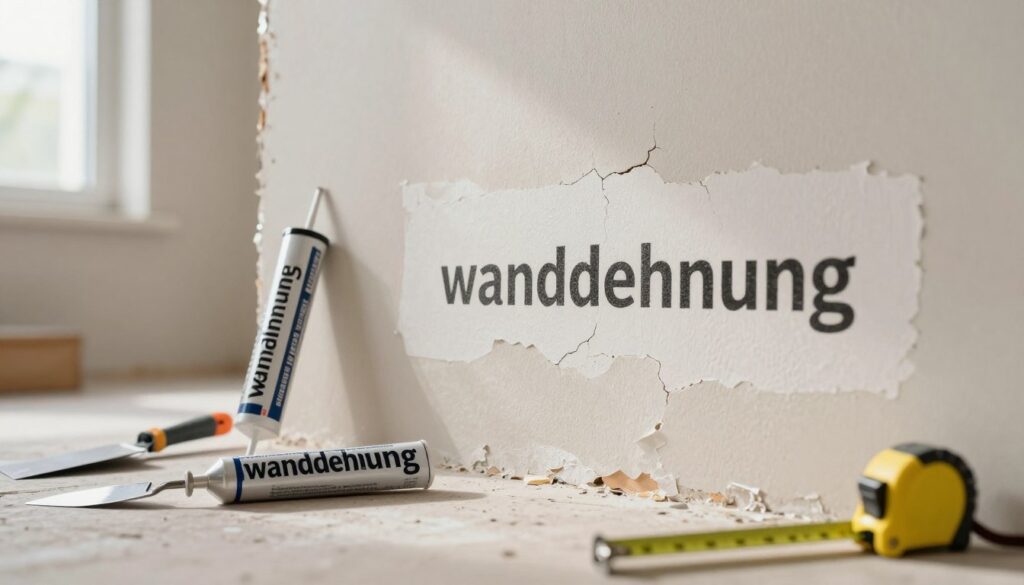
For most homeowners, the first sign of wall expansion is a thin crack appearing near door frames or corners. You can easily manage these gaps using high-quality fillers that allow for slight movement without cracking again. Flexibility is the key factor when choosing your repair materials.
Follow these steps to achieve a professional finish:
- Clean the area thoroughly to remove dust and loose debris.
- Apply a flexible acrylic caulk or a high-quality spackle designed for movement.
- Use a putty knife to press the material firmly into the gap.
- Smooth the surface immediately with a damp sponge for a seamless look.
Wall Reinforcement Tips
If you are dealing with recurring surface issues, you might need to look into specific wall stretching techniques to stabilize the area. Reinforcing the wall surface helps distribute stress more evenly, which is vital for preventing future damage. These methods are particularly effective for older homes that experience seasonal changes.
Consider these practical tips for long-lasting results:
- Use self-adhesive fiberglass mesh tape over larger cracks before applying joint compound to provide extra strength.
- Always allow your filler to dry completely according to the manufacturer’s instructions before sanding.
- Apply a high-quality primer to the repaired area to ensure the paint adheres correctly.
- Monitor the area after a few weeks to ensure the wanddehnung has stabilized.
By mastering these basic wall expansion repair methods, you maintain the integrity of your home’s interior. These simple yet effective wall stretching techniques empower you to handle routine maintenance with confidence and ease.
Professional Solutions for Severe Wanddehnung
When wall damage moves beyond simple cosmetic fixes, professional intervention becomes essential for home safety. While minor cracks are manageable, severe wanddehnung often indicates deep-seated issues within the building’s foundation or frame. Relying on certified experts ensures that the root cause is addressed rather than just masking the symptoms.
Structural Repairs
For significant wall expansion, contractors may utilize advanced structural reinforcement methods. Underpinning is a common technique used to strengthen the foundation, which prevents further shifting of the load-bearing walls. In some cases, steel beams or carbon fiber straps are installed to provide the necessary tension to stabilize the structure.
These specialized wall stretching techniques require precise engineering calculations to ensure the building remains level. Attempting these repairs without professional guidance can lead to further instability or even collapse. Investing in certified structural engineers is the most cost-effective way to protect your property value over the long term.
Waterproofed Techniques
Moisture is a primary driver of structural movement, making professional waterproofing a critical component of any repair plan. Experts often install exterior drainage systems to divert water away from the foundation, preventing the soil saturation that causes walls to shift. Applying high-grade industrial sealants also creates a protective barrier against future moisture intrusion.
By combining structural reinforcement with effective moisture management, professionals provide a comprehensive solution to wanddehnung. This dual approach ensures that your home remains stable despite seasonal changes or environmental pressures. Ultimately, hiring a professional team provides peace of mind that your home is structurally sound and protected against future wall expansion risks.
Preventing Wanddehnung
Preventing wanddehnung starts with understanding how your home interacts with its environment. By taking proactive steps, you can maintain the structural integrity of your property and avoid the stress of unexpected repairs. Consistent maintenance is the most effective strategy for managing natural movement in your building materials.
“An ounce of prevention is worth a pound of cure when it comes to the structural health of your living space.”
Effective management of your home’s climate is essential to stop wall expansion before it becomes a visible problem. Implementing these simple habits will help you create a stable environment for your walls.
Proper Ventilation
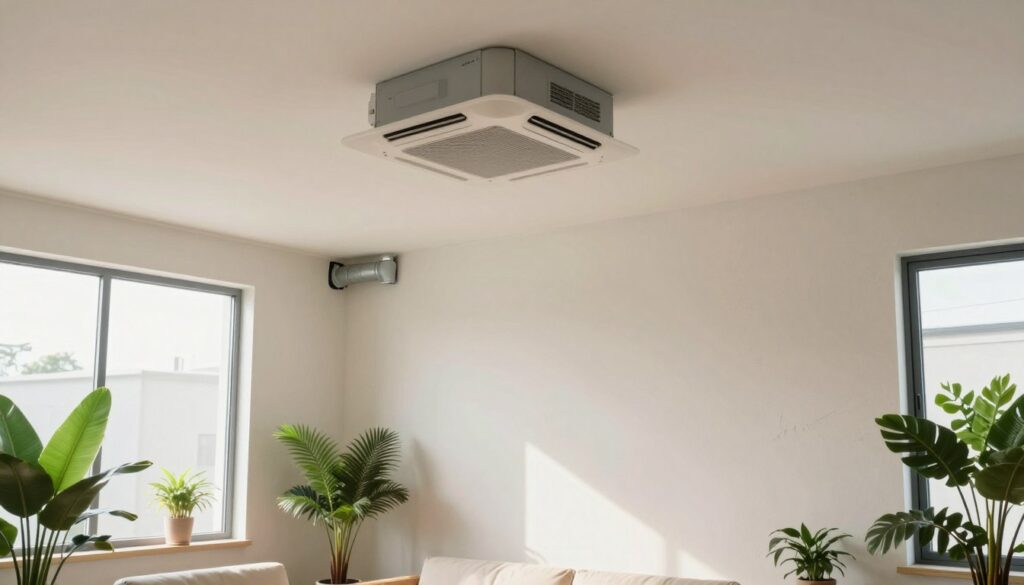
Airflow plays a critical role in regulating the internal climate of your home. Stagnant air often traps moisture, which can lead to unwanted pressure on your interior surfaces.
You should ensure that all rooms, especially basements and bathrooms, have adequate ventilation. Using exhaust fans or simply opening windows during dry weather helps maintain a balanced atmosphere. This simple practice is one of the most reliable wall stretching techniques to keep your home stable.
Moisture Control
Excessive humidity is a primary driver of structural movement. When materials absorb too much water, they naturally swell, leading to the issues associated with wanddehnung.
- Regularly inspect your home for hidden leaks in plumbing or roofing.
- Use a dehumidifier in damp areas to keep moisture levels within a safe range.
- Ensure that exterior drainage systems direct water away from your foundation.
Choosing Right Materials
The quality of your building materials significantly influences how your home reacts to seasonal shifts. Investing in high-quality, stable materials can drastically reduce the risk of wall expansion over time.
When planning renovations, look for products specifically designed to handle thermal changes. Choosing materials with low expansion coefficients ensures that your walls remain firm even when temperatures fluctuate. Quality materials act as a long-term shield for your home’s structural health.
The Role of Weather in Wanddehnung
Nature exerts a constant force on your house, leading to what many call wanddehnung. While homeowners often focus on interior decor, the external climate acts as a silent architect of your home’s structural integrity. Understanding these meteorological impacts helps you prepare for seasonal changes that might otherwise cause unexpected damage.
Effects of Humidity
High humidity levels are a primary driver of wall movement in many climates. Porous materials like wood, drywall, and plaster naturally absorb moisture from the air during damp seasons. This absorption causes the materials to expand, which can lead to visible stress on joints and corners.
When the air dries out, these materials release that moisture and shrink. This constant cycle of swelling and contracting is a natural form of stretching exercises for walls that often results in hairline cracks. Controlling indoor humidity is essential to minimizing this persistent physical stress.
Temperature Fluctuations
Extreme temperature swings force building materials to react through thermal expansion and contraction. During hot summer months, materials gain kinetic energy and expand, while cold winter air causes them to tighten and pull away from frames. This process is not something you can fix by learning how to stretch walls, as it is a fundamental property of physics.
The following table outlines how common building materials respond to these environmental shifts:
| Material Type | Reaction to Heat | Reaction to Humidity |
|---|---|---|
| Wood Framing | Moderate Expansion | High Swelling |
| Drywall Panels | Minimal Expansion | Moderate Warping |
| Concrete/Masonry | High Expansion | Low Absorption |
| Steel Beams | Very High Expansion | No Change |
By monitoring these shifts, you can better anticipate when your home might require maintenance. Proactive care remains the best defense against the inevitable forces of the changing seasons.
Case Studies: Wanddehnung Repairs
Examining past repair projects reveals the best paths toward restoring structural integrity. Real-world examples provide valuable insights into how specific interventions address wanddehnung effectively. By analyzing these outcomes, homeowners can better understand the practical steps required to stabilize their living spaces.
Successful Residential Repairs
In a notable project in the Pacific Northwest, a homeowner faced significant wall movement due to seasonal moisture shifts. The repair team focused on long-term stabilization rather than quick cosmetic fixes. They installed advanced drainage systems and reinforced the foundation, which successfully halted the progression of the damage.
This project highlights that while some might search for stretching exercises for walls to fix minor aesthetic issues, true structural health requires addressing the underlying environment. The walls remained stable for years after the moisture control measures were implemented. This success proves that professional intervention often yields the most reliable results.
Lessons Learned from Failures
Not every repair attempt ends in success, and failures often provide the most critical lessons. One common mistake involves attempting to force a wall back into place without identifying the root cause of the movement. Many homeowners ask how to stretch walls back to their original position, but this approach often ignores the structural pressure that caused the issue in the first place.
Another frequent error is the use of rigid materials in areas prone to natural expansion. When materials cannot accommodate the natural wanddehnung of a building, they often crack or fail prematurely. Learning from these mistakes teaches us that flexibility and proper assessment are just as important as the physical repair work itself.
Conclusion: Keeping Your Walls Healthy
Protecting your home requires a consistent approach to monitoring the health of your interior surfaces. You can preserve the value of your property by addressing minor shifts before they escalate into costly repairs.
Summary of Essential Maintenance
Managing wanddehnung involves a blend of environmental control and structural awareness. You should prioritize moisture regulation and material quality to keep your living space secure. Regular inspections allow you to catch early warning signs of movement in your drywall or masonry.
Actionable Steps for Homeowners
You might wonder if specific stretching exercises for walls exist to mitigate these issues. While physical movement of building materials is natural, you cannot force a structure to flex through manual labor. Learning how to stretch walls is a common misconception, as professional stabilization techniques provide the only reliable path to safety.
Focus your efforts on proper ventilation and climate control to minimize the impact of seasonal changes. Consult with experts at companies like Simpson Strong-Tie if you notice significant gaps or structural shifts. Staying proactive ensures your home remains a safe and beautiful environment for your family.