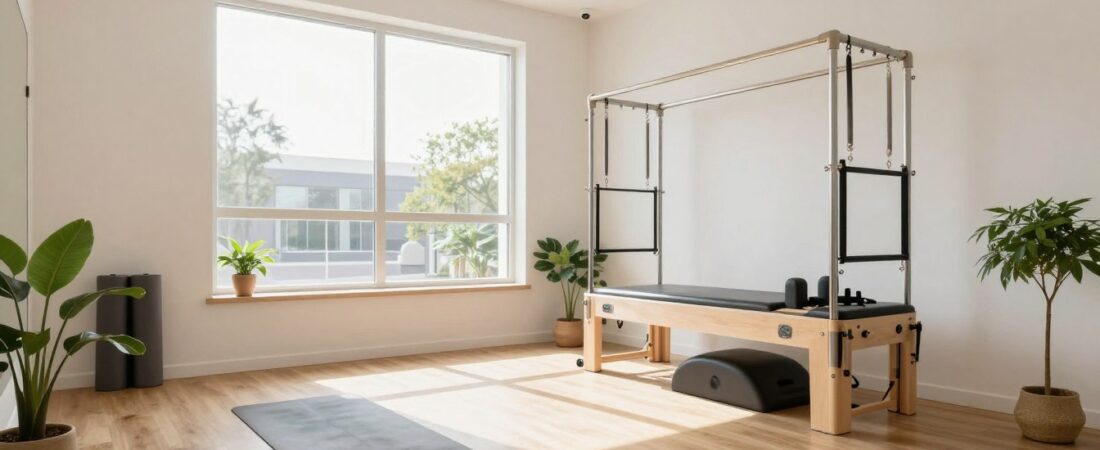
Many people discover that home studios offer more than convenience. The privacy lets you focus entirely on your practice. No commute time means more time for actual exercise. The financial savings add up quickly when compared to studio memberships.
This guide walks you through everything needed to create your perfect home Pilates space. From essential equipment to daily practice tips, you’ll find practical advice that fits your lifestyle. Whether you’re starting fresh or upgrading an existing space, these insights help you build a studio that supports your wellness goals.
Why Set Up a Pilates Studio at Home
The decision to create a pilates home studio changes your relationship with fitness. Traditional studios have their place, but a home setup offers unique advantages that can transform your practice.
Complete Schedule Flexibility
Your time becomes your own when you establish a home studio. Morning sessions before work become possible without rushing through traffic. Late evening practice fits seamlessly after putting kids to bed.
Time Benefits
- No commute time to studios or fitness centers
- Practice at any hour that suits your schedule
- Shorter sessions fit easily into busy days
- No waiting for equipment or class times
Lifestyle Integration
- Quick 15-minute sessions between meetings
- Early morning practice before family wakes
- Late night stretching when stress needs relief
- Weekend sessions without studio hours restrictions
Financial Advantages Over Time
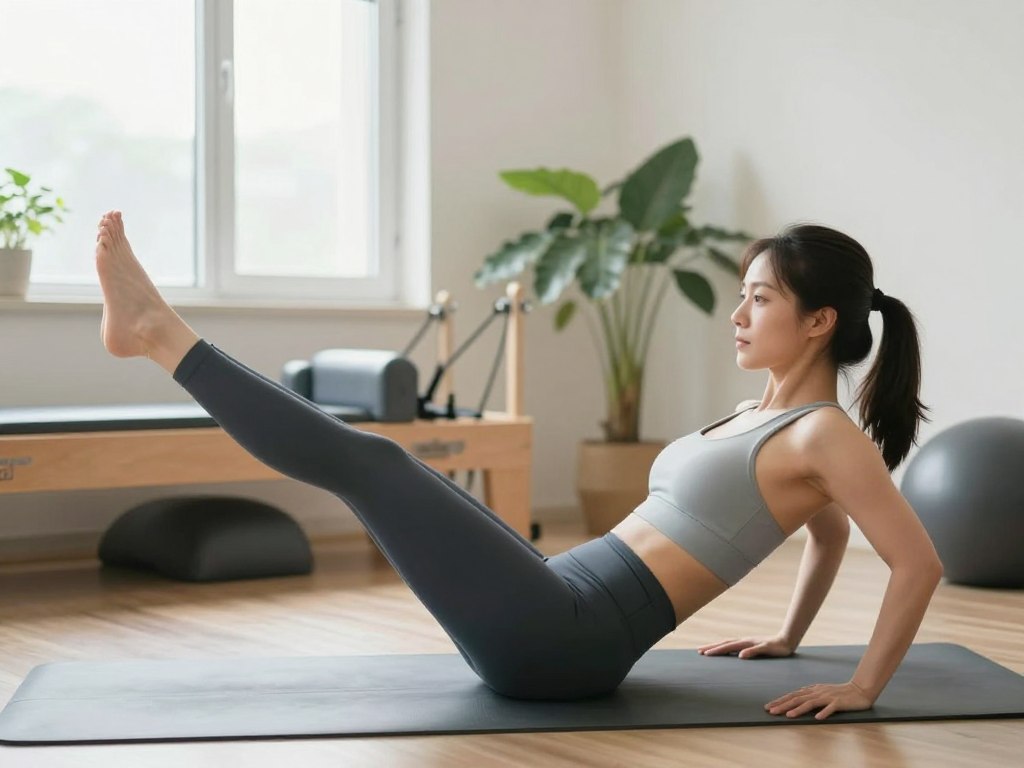
Studio memberships cost between $100 and $300 monthly in most cities. A home pilates studio requires initial investment but eliminates recurring fees. The math works in your favor within the first year.
Equipment purchases might seem expensive upfront. Quality pieces last for years with proper care. One reformer costs less than two years of studio sessions. Mats, props, and accessories add minimal expense.
Privacy and Personal Comfort
Some people feel self-conscious in group classes. Your home space removes that pressure completely. You work at your own pace without comparing yourself to others.
The environment stays exactly how you want it. Temperature controls set to your preference. Music choices reflect your taste. Lighting adjusts for morning or evening sessions. These details matter when creating a consistent practice.
Start Your Home Studio Journey
Download our free home Pilates studio setup checklist. Get a complete equipment list, space planning guide, and beginner workout routine to start your practice today.
Family Wellness Hub
A home studio becomes a wellness resource for your entire household. Partners join sessions together. Kids learn healthy habits by watching your commitment. The space encourages family members to explore their own fitness interests.
Many people find their home studios evolve into multi-purpose wellness areas. Meditation happens there before work. Stretching sessions help with post-run recovery. The dedicated space signals to your brain that this is where health and fitness happen.
Essential Equipment for Your Pilates Home Studio
Building a functional home studio requires careful equipment selection. The right tools support your practice without overwhelming your space or budget. Start with essentials and expand as your practice develops.
The Foundation: Quality Pilates Mat
Your mat forms the foundation of every practice. Pilates mats differ from standard yoga mats in thickness and density. Look for mats at least 6mm thick to cushion your spine during exercises.
Premium mats cost between $50 and $150. This investment pays off through durability and comfort. Cheap mats compress quickly and slide during practice. A quality mat lasts for years with regular use.
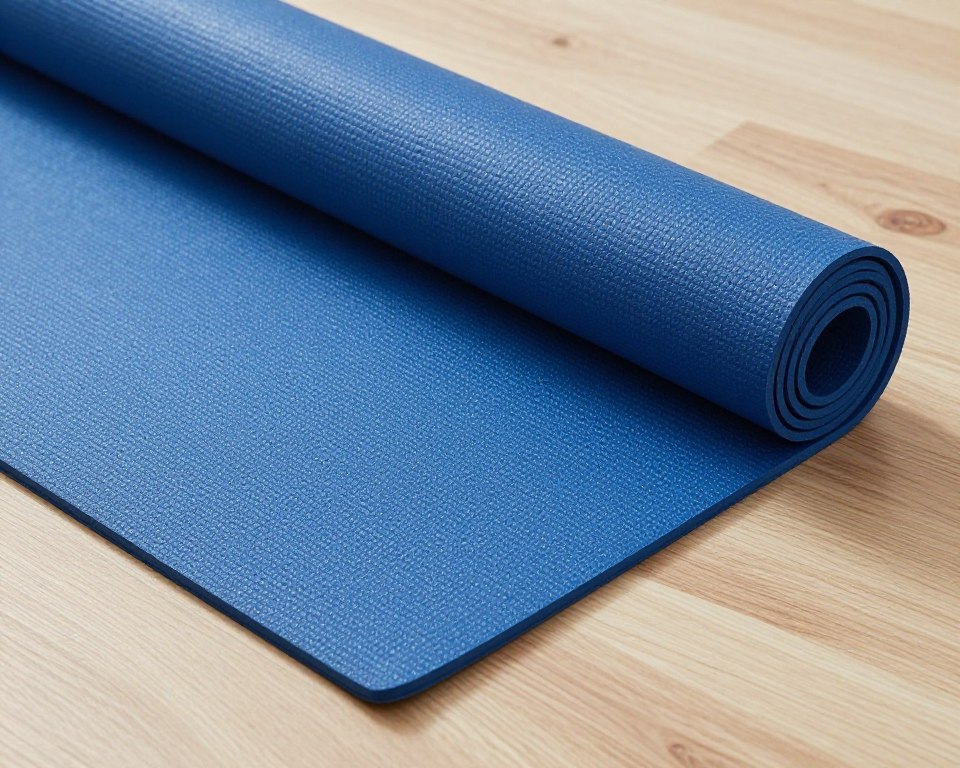
Premium Studio Mat
Professional-grade 8mm mat with superior cushioning. Non-slip surface works on all floor types. Easy to clean and maintain for daily use.
- Extra thick 8mm padding
- Non-toxic materials
- Moisture-resistant surface
- 5-year warranty included
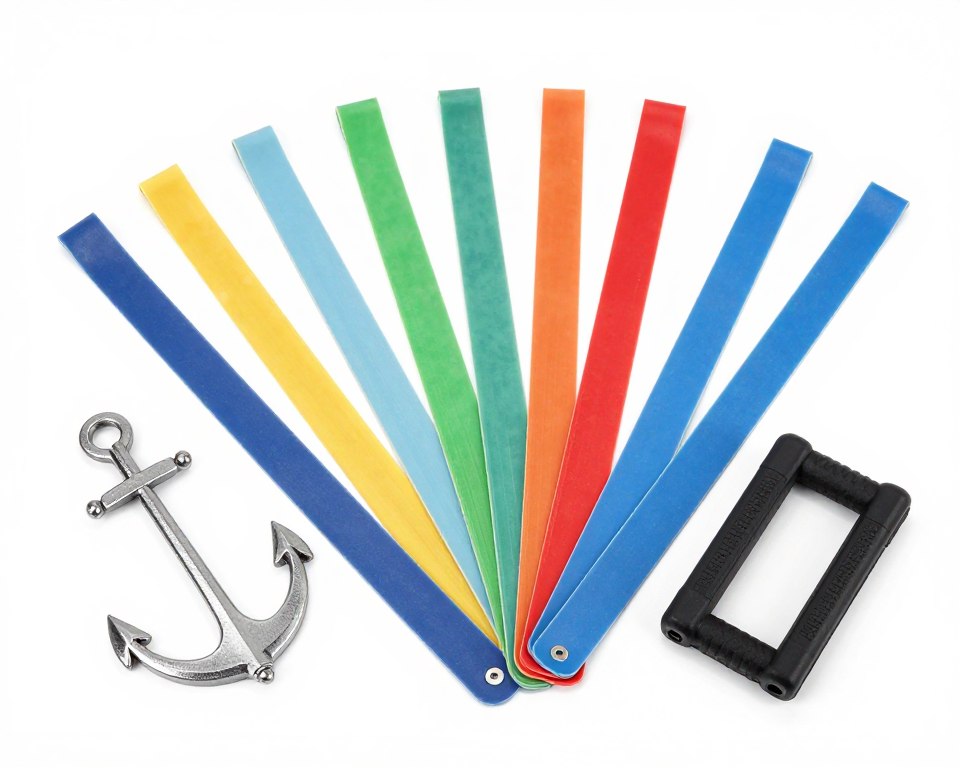
Resistance Band Set
Complete set with five resistance levels. Includes handles, door anchor, and carrying case. Perfect for adding challenge to mat exercises.
- Five resistance levels
- Latex-free options available
- Door anchor system
- Portable and space-saving
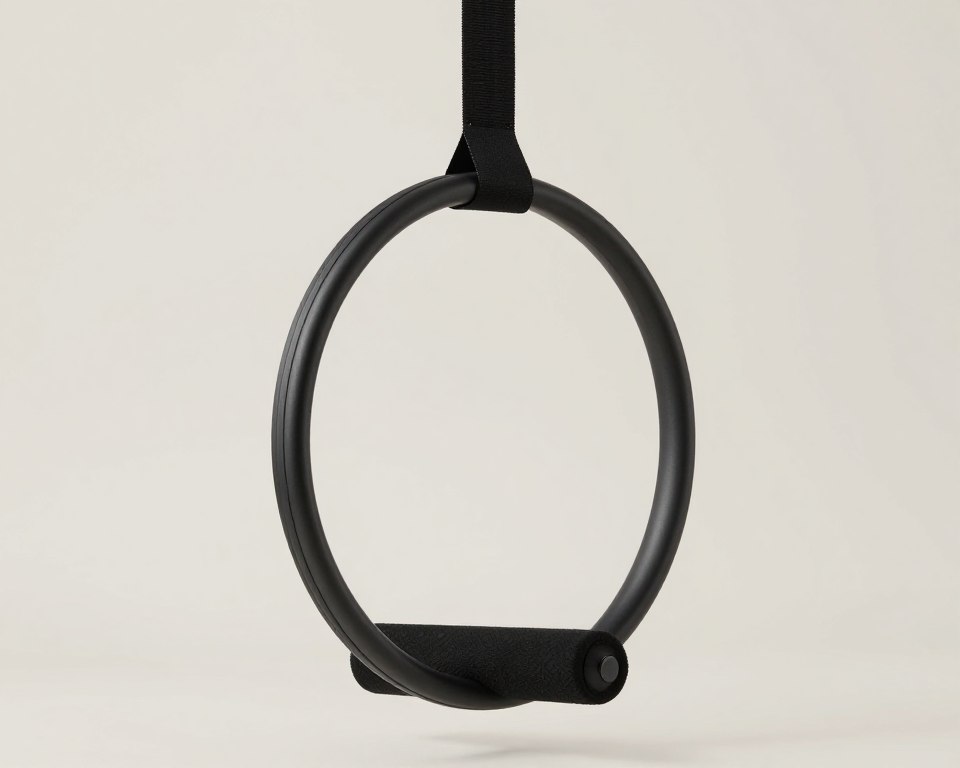
Pilates Ring
Classic magic circle adds resistance training to your routine. Padded handles ensure comfort during upper and lower body work.
- Dual padded grip handles
- 14-inch diameter
- Durable fiberglass construction
- Versatile exercise options
Small Props That Make Big Differences
Small equipment pieces multiply your exercise options dramatically. These tools cost less than $100 combined but expand what your home studio can offer.
Core Small Props
- Pilates ring for upper body resistance
- Foam roller for myofascial release
- Resistance bands in various strengths
- Small hand weights (2-5 pounds)
- Stability ball for core work
- Massage balls for trigger points
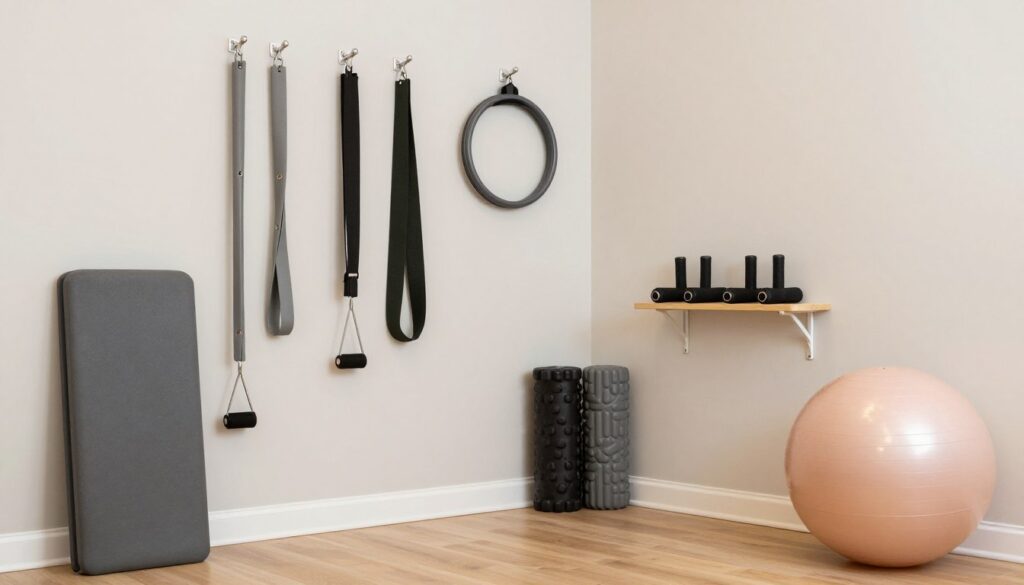
Props store easily in small spaces. A basket or shelf keeps everything organized and accessible. Many people dedicate one corner of their studio space to prop storage.
Quality matters even with small items. Cheap resistance bands snap during use. Poorly made rings crack under pressure. Invest in reputable brands that stand behind their products.
The Pilates Reformer Decision
A pilates reformer represents the biggest investment for any home studio. These machines range from $500 for basic models to $5,000 for professional-grade equipment. The decision requires careful consideration of your space, budget, and commitment level.
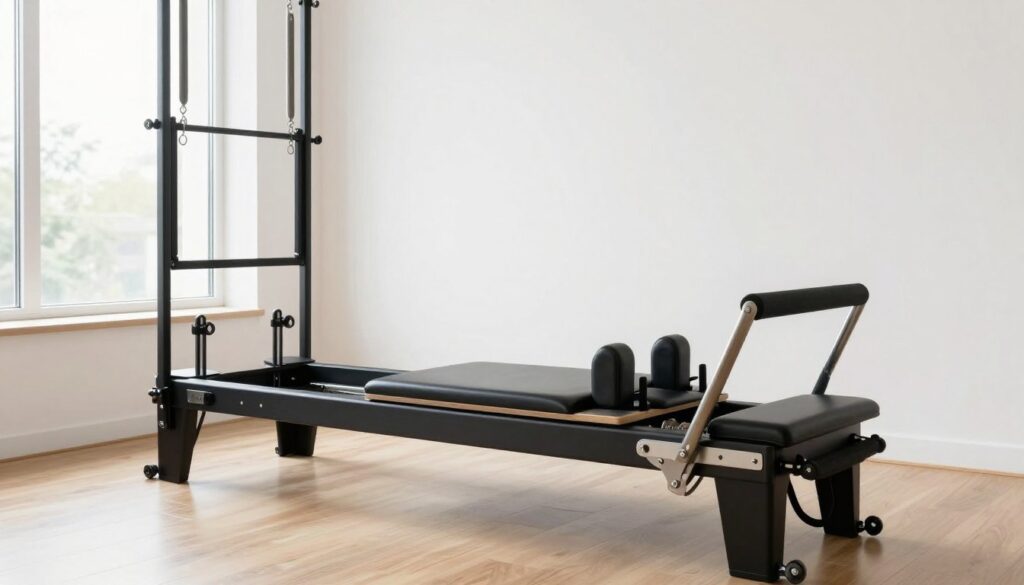
Reformers transform what you can accomplish in home sessions. The spring resistance system provides precise muscle targeting. Hundreds of exercises become possible with one piece of equipment. Professional studios charge premium prices for reformer classes, making home ownership particularly valuable.
Space planning becomes critical with reformer purchases. Most machines measure 8 feet long and 2 feet wide. Add 2 feet clearance on all sides for safe use. Consider folding models if space is limited.
Budget-Friendly Reformer
Entry-level reformer perfect for beginners. Folds for storage when not in use. Includes basic rope and pulley system.
Mid-Range Studio Reformer
Professional features at accessible price. Smooth gliding carriage, adjustable spring resistance, and sturdy construction for daily use.
Premium Professional Model
Studio-quality reformer for serious practitioners. Commercial-grade construction, precision engineering, and comprehensive accessory package.
Technology and Training Resources
Modern home studios blend physical equipment with digital training resources. Online platforms offer thousands of classes at various levels. This combination brings professional instruction into your home space.
A tablet or phone holder becomes essential equipment. Mount it where you can see the screen during floor work. Some people invest in larger monitors for better visibility during sessions.
- Subscription services provide structured programs
- Video libraries let you try different instructors
- Progress tracking features monitor your development
- Community features connect you with other practitioners
Creating Your Perfect Practice Space
The physical space you choose impacts your practice quality and consistency. A well-designed home Pilates studio supports your body and motivates regular sessions. Even small spaces can become effective workout areas with thoughtful planning.
Space Requirements and Location
Most people need at least 6 feet by 8 feet for mat work. This provides room to extend arms and legs fully during exercises. Add 2-3 feet of clearance around all sides for safety and comfort.
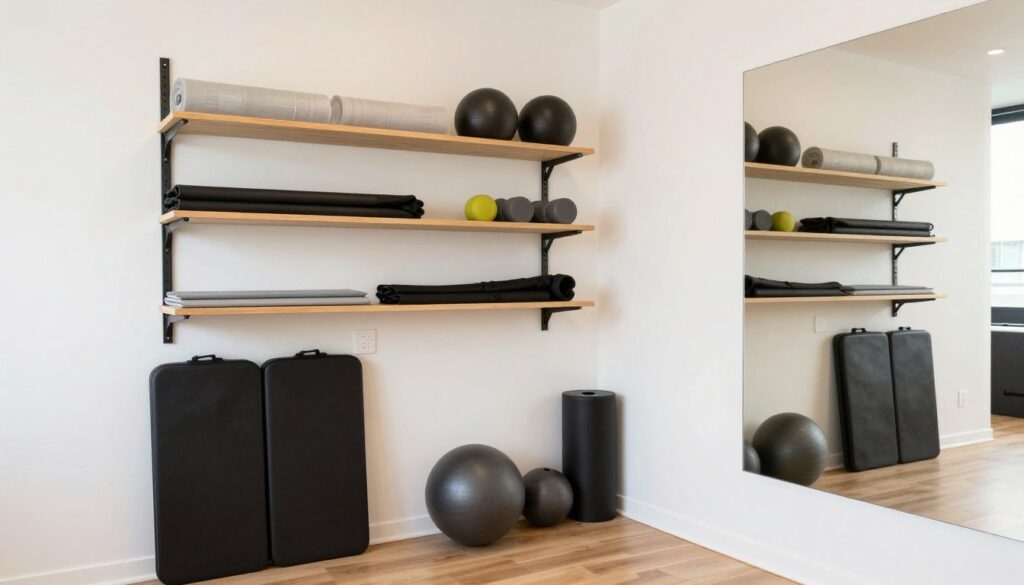
Reformer owners need significantly more space. Plan for a 10 by 12-foot area minimum. The machine itself takes up 8 feet, and you need movement space around it. Some rooms work better than others based on these requirements.
Ideal Room Choices
- Spare bedrooms with natural light
- Finished basements with proper ventilation
- Bonus rooms or converted spaces
- Large walk-in closets (mat work only)
- Enclosed porches or sunrooms
Spaces to Avoid
- High-traffic areas with interruptions
- Rooms with very low ceilings
- Damp or poorly ventilated areas
- Spaces near loud appliances
- Areas without temperature control
Flooring Considerations
The surface under your mat affects comfort and safety. Hard floors work well with proper matting. Carpet creates challenges for equipment with wheels or sliders.
Hardwood, tile, or laminate floors are ideal for pilates home studios. They stay clean easily and support all equipment types. Add a quality mat for cushioning. Some people install foam flooring tiles in dedicated spaces for extra joint protection.
Carpet requires additional planning. Thick pile makes reformer use difficult. The machine won’t glide smoothly. Place a large piece of plywood under equipment if carpet is your only option. This creates a stable, flat surface.
Lighting and Ambiance
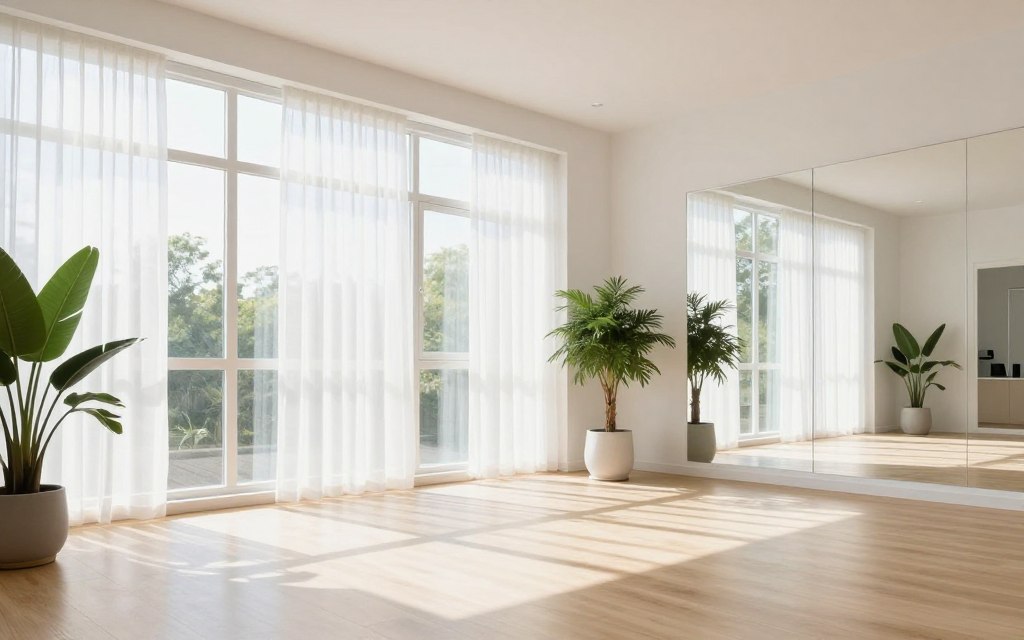
Natural light improves mood and energy during practice. Position your studio space near windows when possible. Morning sun energizes early sessions. Afternoon light works well for stress-relief practice.
Artificial lighting needs careful planning. Overhead lights should be dimmable for different session types. Add task lighting for evening practice. Some people install warm-toned bulbs to create a calming atmosphere.
Mirrors for Form Checking
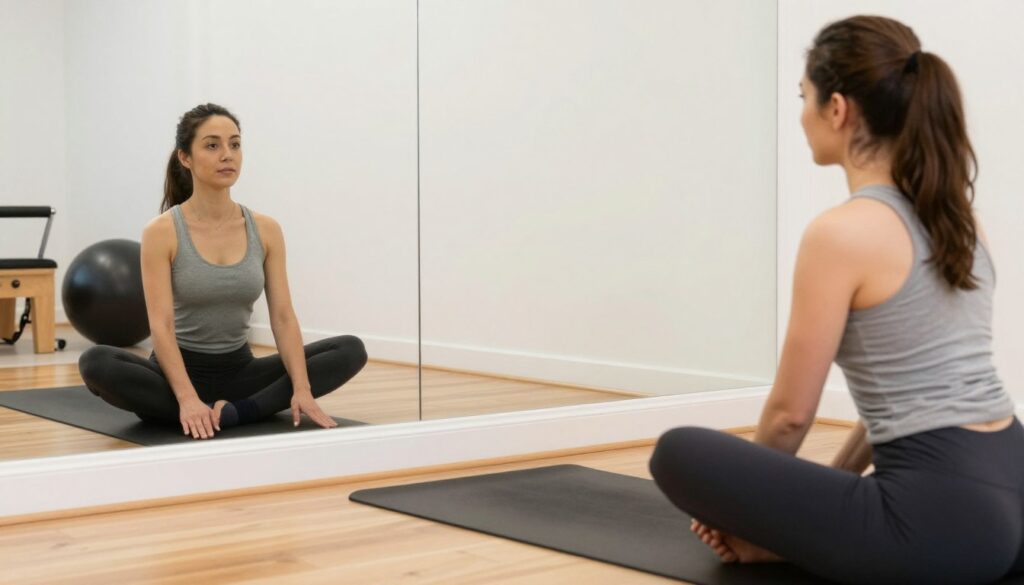
A full-length mirror becomes a valuable teaching tool. It lets you check alignment during exercises. Proper form prevents injury and maximizes workout effectiveness.
Wall-mounted mirrors save floor space. Position them where you can see your full body during standing and floor exercises. Some studios use mirror tiles instead of large sheets for easier installation.
Storage Solutions
Organized equipment storage keeps your space functional and inviting. Cluttered studios discourage regular practice. Smart storage makes setup and cleanup quick and easy.
Wall Storage Options
- Hooks for resistance bands and rings
- Floating shelves for small props
- Wall-mounted racks for mats
- Pegboards for versatile organization
Floor Storage Solutions
- Rolling carts for frequently used items
- Storage ottomans with hidden space
- Baskets for balls and accessories
- Under-reformer bins for props
Need Help Designing Your Space?
Schedule a free 30-minute consultation with our home studio design experts. We’ll review your space, discuss your goals, and create a custom setup plan that fits your budget and lifestyle.
Temperature and Ventilation
Comfortable temperature ranges make practice more enjoyable. Most people prefer 68-72 degrees for Pilates sessions. The body warms up during exercise but shouldn’t overheat.
Good air circulation prevents stuffiness during longer sessions. Open windows when weather permits. Install a quiet fan for air movement without noise distraction. Some home studios include small air purifiers to maintain fresh air quality.
Sound and Privacy
Your studio space should feel like a personal retreat. Sound considerations matter whether you live alone or with family. Quiet space helps mental focus during practice.
Soundproofing isn’t necessary for most home studios. Close doors during sessions. Use white noise machines if household sounds distract you. Many people create playlists that mask background noise naturally.
Privacy matters for many practitioners. Window treatments let in light while blocking outside views. Some people schedule sessions when family members are away. Others establish house rules about respecting studio time.
Getting Started with Your Home Practice
A well-equipped studio space means nothing without a consistent practice plan. Starting your home Pilates journey requires more than equipment. You need structure, guidance, and realistic expectations.
Building Your Foundation
Begin with basic movements before advancing to complex exercises. Your body needs time to learn proper form and build strength. Most people benefit from focusing on fundamentals for at least 4-6 weeks.
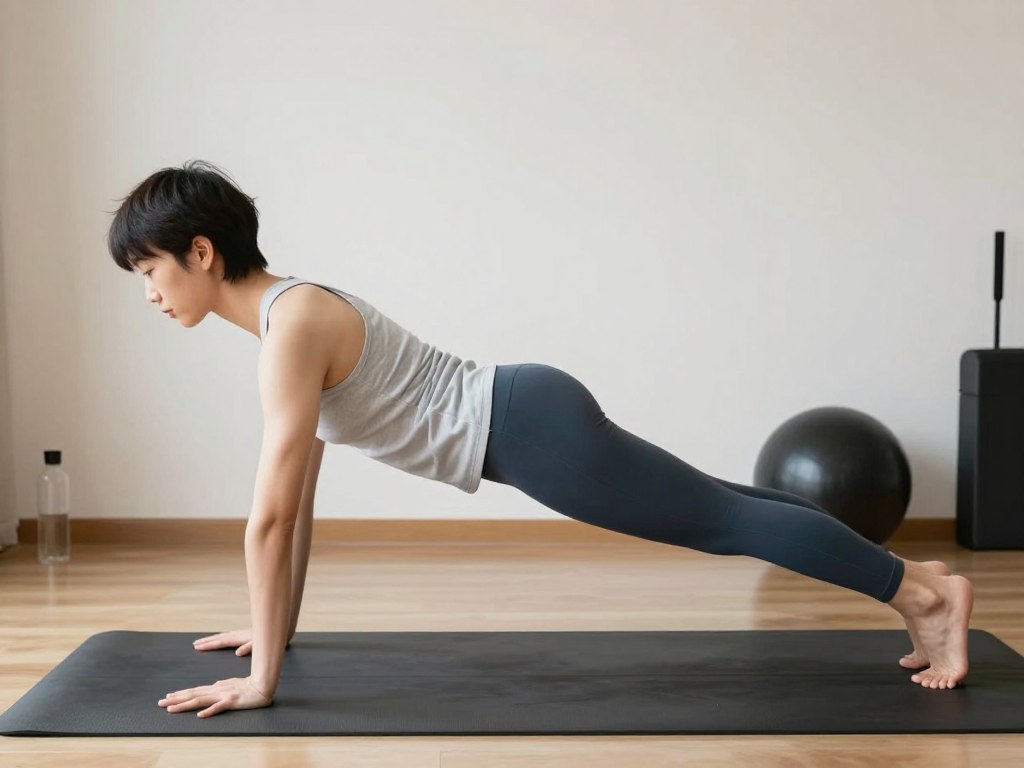
Foundation exercises teach core principles that apply to all Pilates work. The hundred builds endurance and breath control. Roll-ups develop spinal articulation. Single leg stretches improve coordination. Master these basics before adding complexity or equipment.
Week 1-2 Focus
- Basic breathing techniques
- Core engagement practice
- Spinal alignment awareness
- Simple mat exercises
- 10-15 minute sessions
Week 3-4 Progress
- Extended breathing patterns
- Flowing movement sequences
- Introduction of small props
- 20-25 minute sessions
- Focus on precision
Week 5-6 Advancement
- Complex movement patterns
- Resistance band integration
- Balance challenges
- 30-40 minute sessions
- Personal routine development
Online Classes and Programs
Digital platforms bring professional instruction to your home studio. These services offer thousands of classes at every level. You gain access to world-class instructors without leaving your space.
Subscription costs range from $10 to $40 monthly. Most platforms offer free trial periods. This lets you test different teaching styles before committing. Some people try multiple services before finding their favorite.
| Platform Feature | Beginner Friendly | Equipment Needed | Monthly Cost |
| On-Demand Library | High | Mat Only | $15-20 |
| Live Classes | Medium | Mat + Props | $20-30 |
| Personal Coaching | High | Varies | $30-40 |
| Reformer Programs | Medium | Reformer | $25-35 |
Creating Your Schedule
Consistency matters more than intensity when building a new practice. Three 20-minute sessions per week create better results than one 90-minute marathon. Your body adapts better to regular, shorter practice.
Morning sessions energize your day and establish routine. The practice becomes part of your wake-up ritual. Many people find morning exercise easier to maintain because fewer distractions arise early in the day.
Evening practice helps release daily stress and tension. Your body is warm and flexible after a day of movement. Some people prefer evening sessions because they have more energy after eating throughout the day.
Success Tip: Schedule your sessions like appointments. Put them in your calendar with reminders. Treat this time as non-negotiable. The commitment to showing up matters more than perfect performance.
Tracking Your Progress
Documentation helps you see improvement over time. Small gains feel more significant when you record them. Many practitioners keep simple workout journals noting exercises completed, how they felt, and any challenges encountered.
Take photos or videos of your form every few weeks. These visual records show posture improvements and increased flexibility. Some movements feel the same day to day, but videos reveal real progress.
- Record exercises completed in each session
- Note physical sensations and energy levels
- Track flexibility improvements in specific movements
- Document strength gains like holding planks longer
- Write about mental state before and after practice
Avoiding Common Beginner Mistakes
New practitioners often rush through movements. Pilates emphasizes quality over quantity. One perfectly executed exercise delivers more benefit than ten sloppy repetitions.
Breath control challenges many beginners. The urge to hold your breath during difficult movements feels natural but undermines the practice. Conscious breathing supports movement and builds mind-body connection.
Effective Practice Habits
- Start with 10-15 minute sessions
- Focus on form before adding resistance
- Follow structured beginner programs
- Rest between sessions for recovery
- Ask questions in online communities
Habits to Avoid
- Skipping warm-up movements
- Comparing yourself to advanced practitioners
- Pushing through pain instead of discomfort
- Practicing only when motivation is high
- Neglecting rest days for recovery
Maintaining Consistency and Motivation
Equipment and space setup represent only the beginning of your journey. Long-term success requires strategies that keep you engaged and progressing. Many people start enthusiastically but struggle to maintain regular practice after a few weeks.
The Power of Routine
Your brain loves patterns and predictability. Exercising at the same time each day reduces decision fatigue. You don’t debate whether to work out. The routine makes it automatic.
Morning practitioners often find the most success with consistency. The day hasn’t yet filled with unexpected demands. Your energy stays fresh before work stress accumulates. Even 15 minutes before breakfast creates meaningful benefits.
Evening sessions work better for some people. Your body is warmer and more flexible after a day of movement. The practice becomes a transition ritual from work mode to rest mode. Choose timing that realistically fits your life rather than an ideal that won’t happen.
Setting Meaningful Goals
Vague intentions rarely drive consistent action. Specific goals create direction and purpose. Instead of “get better at Pilates,” aim for “hold a plank for 60 seconds” or “complete three full sessions weekly for one month.”
Short-Term Goals (1-3 Months)
- Master ten foundational exercises
- Practice three times weekly consistently
- Improve flexibility in specific areas
- Learn proper breathing techniques
- Build core strength for daily activities
Break larger goals into weekly milestones. This creates frequent wins that maintain motivation. Each small achievement builds confidence and momentum.
Write goals down and place them where you’ll see them regularly. Many people post goals in their studio space. The visual reminder reinforces commitment on days when motivation dips.
Variety Prevents Boredom
The same routine every session leads to mental and physical plateaus. Your body adapts quickly to repeated movements. Variation challenges muscles differently and keeps practice interesting.
Online platforms offer endless variety through their class libraries. Try different instructors to learn new cuing styles. Explore classes focused on specific body areas. Some days emphasize flexibility while others build strength.
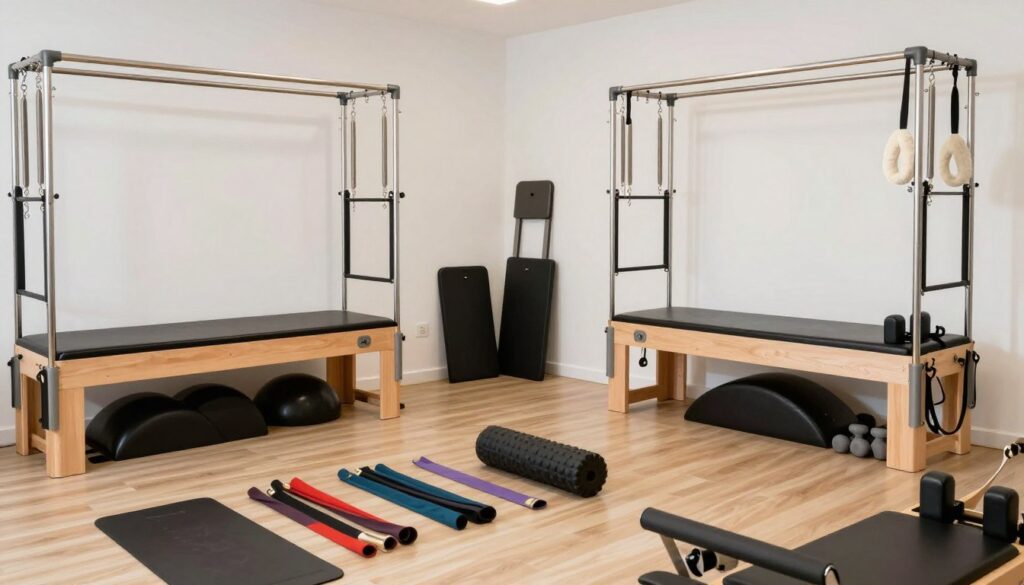
Community Connection
Solo practice offers privacy and flexibility but can feel isolating. Many home practitioners join online communities to maintain connection. These groups provide support, answer questions, and celebrate progress together.
Social media platforms host active Pilates communities. People share videos of their practice, ask form questions, and encourage one another. Some practitioners find accountability partners who check in regularly about sessions completed.
Virtual challenges create fun competition and structure. Month-long programs with daily exercises keep people engaged. The community aspect transforms solo practice into shared experience.
Adapting to Life Changes
Rigid expectations crumble when life gets busy or stressful. Flexibility in your approach prevents all-or-nothing thinking. A 10-minute session beats no session. Modified exercises work better than skipping practice entirely.
Travel doesn’t have to disrupt your routine. Mat work requires minimal space and no equipment. Many hotels provide adequate room for basic practice. Some people find traveling improves their practice by removing distractions.
- Keep a travel mat for hotel workouts
- Download classes for offline viewing during trips
- Practice chair-based exercises at work
- Use resistance bands for compact travel workouts
- Maintain breathing exercises even when full sessions aren’t possible
Celebrating Progress
Notice and acknowledge improvements in your practice. Physical changes happen gradually and can go unnoticed without intentional awareness. Strength builds. Flexibility increases. Balance improves. These victories deserve recognition.
Non-scale victories often matter more than physical appearance changes. You sleep better. Stress decreases. Posture improves throughout your day. Back pain reduces. These life quality improvements represent the true value of consistent practice.
Take Your Practice to the Next Level
Join our 12-week Home Pilates Transformation Program. Get personalized workout plans, weekly progress check-ins, form video reviews, and access to our private community of home practitioners. Limited spots available.
How Home Pilates Improves Daily Life
Regular Pilates practice extends far beyond the time spent on your mat. The physical and mental benefits integrate into your entire day. Many practitioners report improvements in areas of life they never expected exercise to affect.
Physical Benefits You’ll Feel
Core strength built through Pilates supports every movement you make. Lifting grocery bags becomes easier. Playing with kids requires less effort. Daily tasks that once caused strain feel effortless.
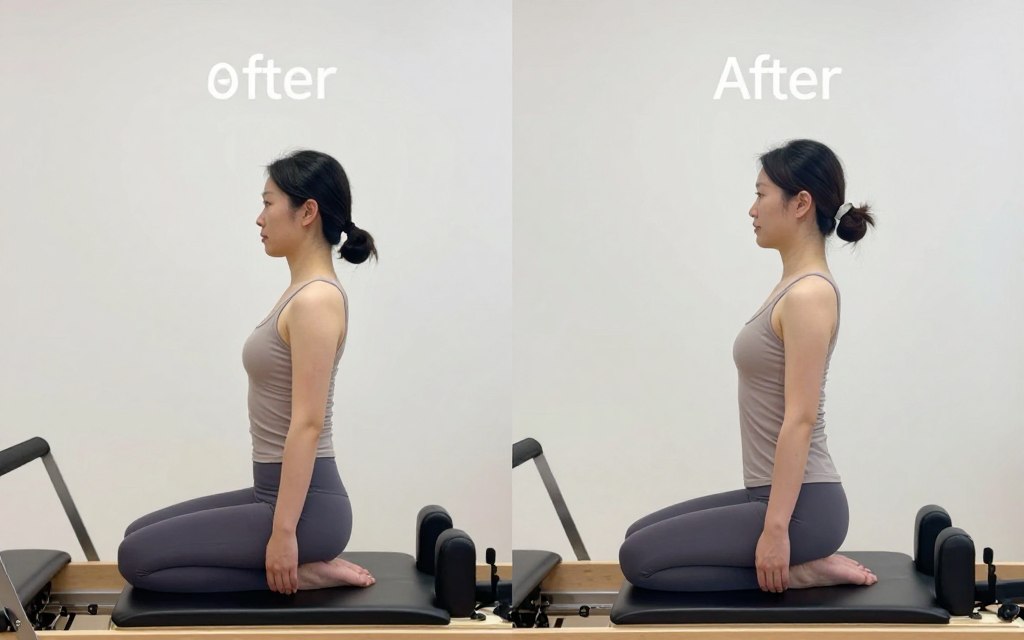
Posture improvements happen almost automatically. Your body remembers the alignment practiced during sessions. You catch yourself sitting straighter at your desk. Standing in line no longer causes lower back discomfort. These changes happen gradually but create lasting impact.
Physical Improvements
- Reduced chronic pain, especially back and neck
- Better balance and coordination
- Increased energy throughout the day
- Improved sleep quality and depth
- Enhanced athletic performance
- Greater body awareness
Functional Fitness Gains
- Easier movement in daily activities
- Better stability preventing falls
- Reduced injury risk during exercise
- Faster recovery from physical stress
- More efficient breathing patterns
- Improved flexibility for all movements
Mental and Emotional Wellness
The mind-body connection in Pilates creates mental benefits that match physical gains. Focused breathing calms your nervous system. The concentration required during practice trains your brain to be more present.
Stress management improves dramatically with regular practice. The hour you spend in your studio becomes a break from daily demands. Your body releases tension held in muscles. Your mind quiets as you focus on precise movements.
Many people notice improved mood regulation after establishing consistent practice. Exercise releases endorphins that enhance wellbeing. The sense of accomplishment from completing sessions boosts confidence. Progress in your practice reminds you that growth happens with consistent effort.
Better Sleep Patterns
Quality sleep depends on many factors, but exercise plays a significant role. Pilates helps regulate your circadian rhythm when practiced consistently. Your body learns when to be active and when to rest.
Evening practice helps release accumulated tension from the day. Your muscles relax. Your mind processes daily stress through movement. Many practitioners fall asleep faster and sleep more deeply after establishing regular sessions.
“I struggled with insomnia for years. Three months of consistent morning Pilates practice changed everything. I fall asleep within 15 minutes now instead of lying awake for hours. My body feels tired in a healthy way by bedtime.”
Social Connection Through Practice
Home practice doesn’t mean complete isolation. Many people share their studio space with partners or friends. Group sessions become social time that also supports health goals.
Some families make Pilates part of their routine together. Parents practice alongside teenagers. Couples use sessions as quality time. These shared experiences strengthen relationships while building fitness.
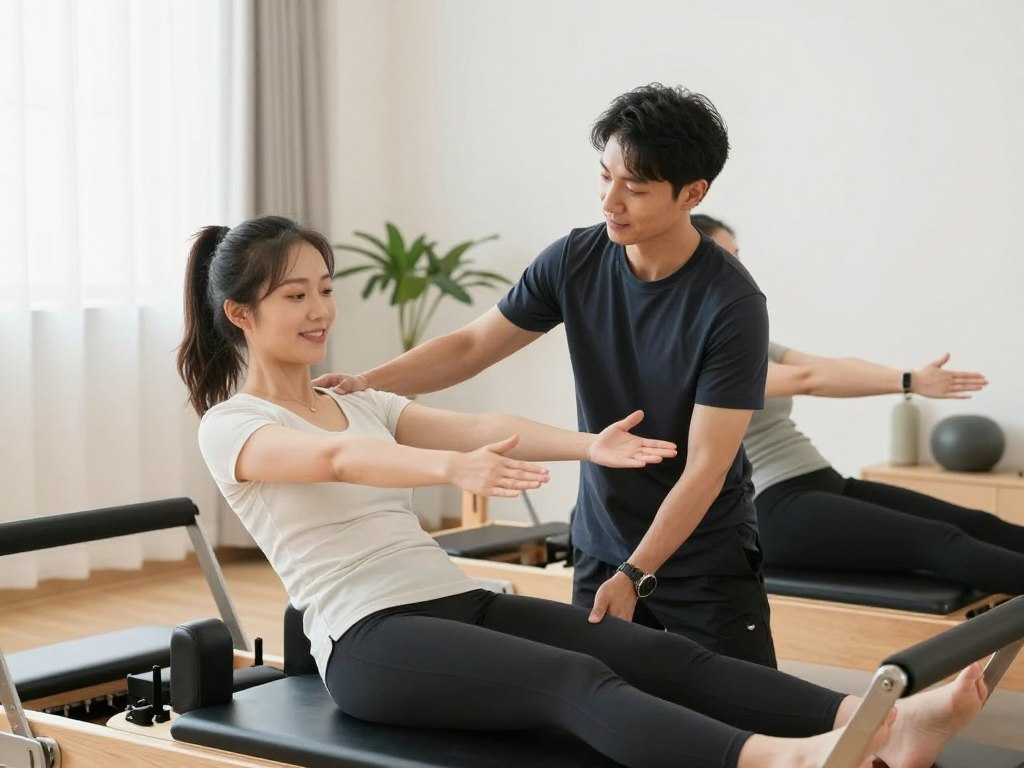
Long-Term Health Investment
Consistent Pilates practice represents preventive healthcare. The strength and flexibility you build protect against age-related decline. Balance improvements reduce fall risk as you get older. Core stability prevents back problems that plague many adults.
Medical costs decrease when you maintain regular exercise. Fewer doctor visits for pain management. Less medication for stress and anxiety. Better posture prevents repetitive strain injuries. The money saved over years of practice adds up significantly.
Research Insight: Studies show that regular Pilates practice reduces healthcare costs by an average of $2,500 annually through injury prevention, improved chronic condition management, and reduced need for pain medications.
Professional Performance Enhancement
Work performance improves when your body feels good. Better posture reduces fatigue during long desk sessions. Improved core strength prevents the afternoon energy crash. Enhanced focus carries from your mat into meetings and projects.
Many people report increased productivity after establishing regular practice. The mental clarity from morning sessions lasts throughout the work day. Stress management skills learned during practice help navigate workplace challenges.
Budget Planning for Your Home Studio
Creating a functional pilates studio home doesn’t require a massive investment. Smart planning lets you build an effective space that fits any budget. Understanding costs upfront prevents overspending on unnecessary items.
Starter Budget Setup
Beginning your practice requires minimal equipment. Most people can start with $100-150 worth of basic items. This covers a quality mat, resistance bands, and a Pilates ring. These tools provide hundreds of exercise options.
| Equipment Item | Budget Option | Mid-Range Option | Premium Option |
| Pilates Mat | $30-50 | $75-100 | $125-175 |
| Resistance Bands | $15-25 | $30-45 | $50-75 |
| Pilates Ring | $20-30 | $35-50 | $60-80 |
| Foam Roller | $15-25 | $30-45 | $50-70 |
| Small Hand Weights | $15-25 | $30-40 | $50-65 |
| Stability Ball | $15-20 | $25-35 | $40-55 |
Mid-Level Investment
Adding $300-500 to your starter budget expands possibilities significantly. This level includes better quality equipment that lasts longer. Some people add specialized props or upgrade their mat to premium options.
Storage solutions fit into mid-level budgets. Wall-mounted racks keep equipment organized. Shelving systems display props attractively. A full-length mirror helps with form checking. These additions create a more professional studio feel.
Premium Studio Build
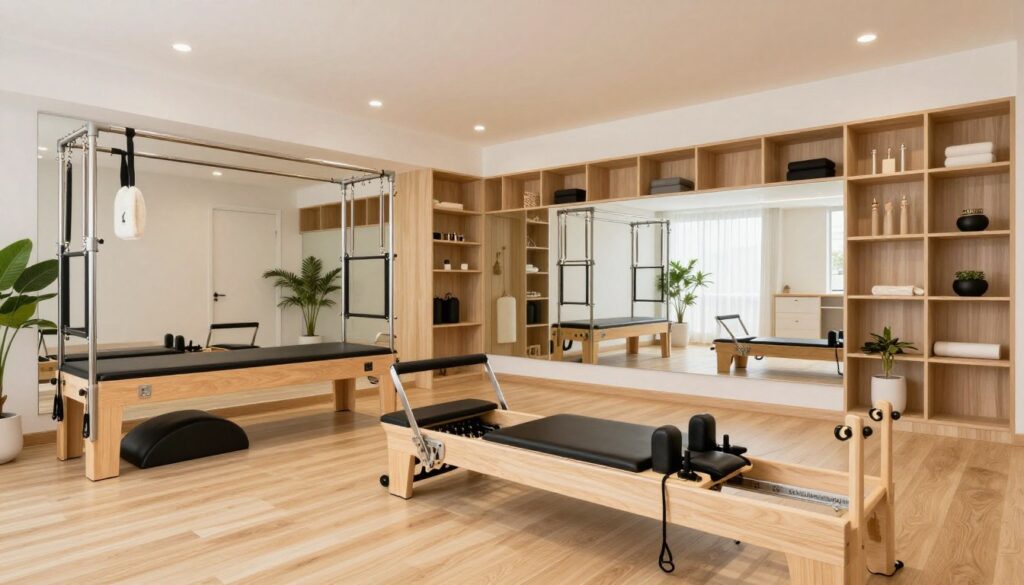
Serious practitioners might invest $2,000-5,000 in complete home studios. This budget includes reformer machines and comprehensive prop collections. The space becomes a true home fitness center.
Premium builds often include aesthetic upgrades. Quality flooring protects joints during mat work. Professional lighting creates the right atmosphere. Sound systems enhance the experience with curated playlists or instructor audio.
Saving Money Smartly
Used equipment offers significant savings. Many people sell barely-used reformers after trying Pilates briefly. Check local marketplaces for deals on quality equipment. Some studios sell older models when upgrading their machines.
Buy equipment gradually as your practice develops. Start with essentials and add items when you understand what you actually need. This prevents spending money on tools that sit unused.
- Watch for holiday sales on major equipment purchases
- Join Pilates forums where members sell used gear
- Consider refurbished reformers from reputable sellers
- Buy multi-purpose items that serve several functions
- Skip trendy equipment that doesn’t add real value
Ongoing Costs
Monthly expenses stay minimal with home studios. Online class subscriptions cost $10-40 per month. Some people budget for occasional private sessions with instructors for form checks.
Equipment replacement happens rarely with quality items. Mats last 2-3 years with regular use. Resistance bands may need replacement annually. Most props last indefinitely with proper care.
Budget Reality Check: Don’t let perfect equipment delay starting your practice. A $40 mat and free YouTube videos create a perfectly viable home studio. You can always upgrade equipment as your practice develops and budget allows.
Safety and Proper Form Guidelines
Home practice without instructor supervision requires extra attention to safety. Poor form leads to injury rather than fitness gains. Understanding key principles protects your body while maximizing exercise benefits.
Core Principles of Safe Practice
Always warm up before starting your main workout. Cold muscles resist stretching and strain easily. Five minutes of gentle movement prepares your body for more intense work. Simple exercises like cat-cow stretches or gentle twists work well.
Listen to your body’s signals throughout each session. Discomfort during challenging exercises is normal. Sharp pain indicates something wrong. Stop immediately if you feel pinching, shooting pain, or joint discomfort.
Normal Exercise Sensations
- Muscle burning during sustained holds
- Moderate fatigue in working muscles
- Increased heart rate and breathing
- Gentle stretching sensation in lengthening muscles
- Mild soreness 24-48 hours post-workout
These sensations indicate effective exercise. Your muscles work hard but safely. The discomfort should feel productive rather than alarming.
Distinguish between challenge and danger. Building strength requires pushing limits gradually. But your body knows the difference between hard work and potential injury.
Common Form Mistakes
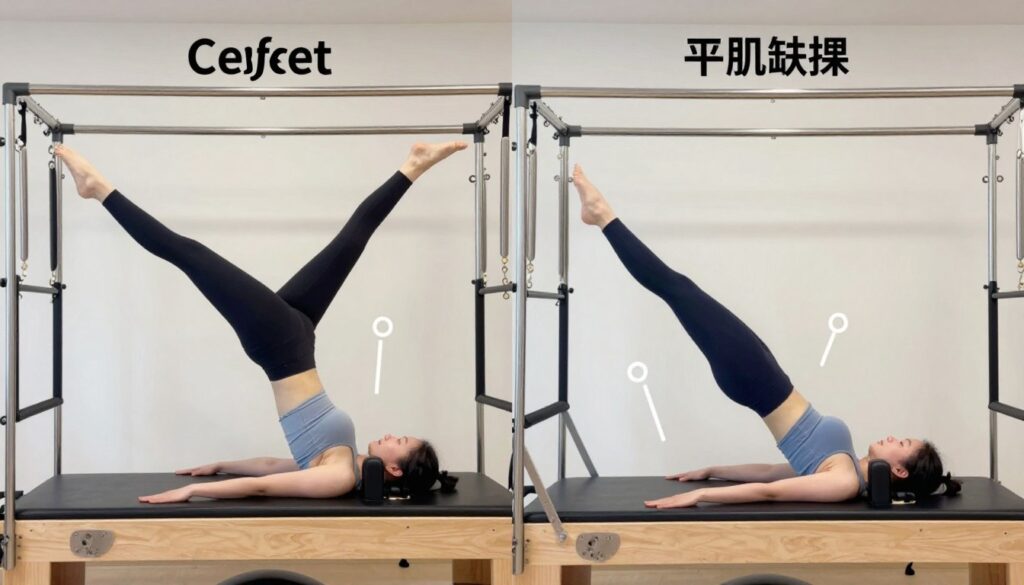
Neck strain happens frequently in home practice. Many exercises engage core muscles, and people unconsciously tense their necks. Keep your neck long and relaxed. Your head should feel heavy, not held up by effort.
Rushing through movements undermines Pilates principles. This practice emphasizes control and precision over speed. Slower execution with perfect form beats fast, sloppy repetitions every time.
Breathing Techniques
Proper breathing supports every Pilates movement. Inhale through your nose, filling your ribcage laterally. Exhale completely through your mouth, engaging your deep abdominal muscles. This pattern oxygenates muscles and stabilizes your core.
Many beginners hold their breath during difficult movements. This creates tension and reduces performance. Conscious breathing takes practice but becomes natural over time. Some exercises specify breath patterns. Follow these instructions for maximum benefit.
Using Equipment Safely
Reformer machines require special attention to safety. Check spring settings before each use. Make sure all connections are secure. Keep the carriage clean and free of debris that might affect smooth gliding.
Props should be in good condition. Inspect resistance bands before each use for signs of wear. Cracked or stretched bands can snap during exercise. Replace damaged equipment immediately rather than risking injury.
How do I know if I’m doing exercises correctly without an instructor?
Use mirrors to check your alignment during exercises. Record videos of yourself and compare them to instructor demonstrations. Many online platforms offer form-check services where you can submit videos for feedback. Start with beginner classes that include detailed form cues. When uncertain about an exercise, skip it rather than risk poor form.
Should I practice through soreness or take rest days?
Mild muscle soreness is normal and safe to work through with gentle practice. Sharp pain or severe soreness requires rest. Listen to your body and adjust intensity accordingly. Active recovery sessions with stretching and gentle movement often help soreness more than complete rest. Schedule at least one full rest day per week.
What modifications should I make if I have back problems?
Consult your doctor before starting any new exercise program if you have existing injuries. Many Pilates exercises strengthen back muscles and can help with pain. Avoid deep flexion movements if you have disc issues. Keep movements small and controlled. Use props like rolled towels for additional support. Consider working with a physical therapist familiar with Pilates to learn safe modifications.
Progressive Overload
Challenge your body gradually to avoid injury while building strength. Add one new element at a time. Increase repetitions before adding resistance. Master bodyweight exercises before introducing props or machines.
Track your progress to ensure appropriate challenge levels. If exercises feel too easy consistently, you’re ready to progress. If form deteriorates during sets, reduce difficulty until you build more strength.
When to Seek Professional Help
Consider occasional private sessions even with a dedicated home practice. Instructors can spot form issues you might miss. They provide personalized modifications for your specific body and goals.
Many instructors offer virtual sessions specifically for home practitioners. These appointments focus on form checking and answering questions about your personal practice. The investment in professional guidance prevents developing bad habits that cause injury later.
Frequently Asked Questions About Home Pilates Studios
How much space do I really need for a home Pilates studio?
For mat work only, you need approximately 6 feet by 8 feet of clear space. This allows full extension of arms and legs during floor exercises. If you plan to include a reformer, increase the requirement to 10 feet by 12 feet minimum. Add 2-3 feet of clearance on all sides for safety and comfort. Many people successfully practice in spare bedrooms, finished basements, or large walk-in closets. The key is having consistent, dedicated space rather than setting up and breaking down equipment daily.
Can I get the same results at home as I would at a professional studio?
Yes, with commitment and proper resources. Online platforms provide access to world-class instructors. Quality equipment at home matches what studios offer. The main difference is personal accountability. Studio classes provide scheduled commitment and community energy. Home practice requires self-discipline but offers greater flexibility. Many people find better results at home because they practice more frequently without commute barriers. Consider occasional studio classes or private sessions for form checks while maintaining your home practice.
What’s the minimum budget needed to start a home Pilates studio?
You can begin with 0-150 for basic equipment including a quality mat, resistance bands, and a Pilates ring. This provides everything needed for effective mat-based practice. Add -30 monthly for an online class subscription. Total first-year cost runs approximately 0-400. This compares favorably to studio memberships costing
Frequently Asked Questions About Home Pilates Studios
How much space do I really need for a home Pilates studio?
For mat work only, you need approximately 6 feet by 8 feet of clear space. This allows full extension of arms and legs during floor exercises. If you plan to include a reformer, increase the requirement to 10 feet by 12 feet minimum. Add 2-3 feet of clearance on all sides for safety and comfort. Many people successfully practice in spare bedrooms, finished basements, or large walk-in closets. The key is having consistent, dedicated space rather than setting up and breaking down equipment daily.
Can I get the same results at home as I would at a professional studio?
Yes, with commitment and proper resources. Online platforms provide access to world-class instructors. Quality equipment at home matches what studios offer. The main difference is personal accountability. Studio classes provide scheduled commitment and community energy. Home practice requires self-discipline but offers greater flexibility. Many people find better results at home because they practice more frequently without commute barriers. Consider occasional studio classes or private sessions for form checks while maintaining your home practice.
What’s the minimum budget needed to start a home Pilates studio?
You can begin with $100-150 for basic equipment including a quality mat, resistance bands, and a Pilates ring. This provides everything needed for effective mat-based practice. Add $20-30 monthly for an online class subscription. Total first-year cost runs approximately $350-400. This compares favorably to studio memberships costing $1,200-3,600 annually. Gradually expand your equipment collection as budget allows and your practice develops. Many people practice successfully for years with just these basics.
Should I buy a reformer machine for home use?
A reformer purchase makes sense if you’ve practiced Pilates regularly for at least six months and know you’re committed long-term. Reformers cost $500-5,000 depending on quality. They require significant space and maintenance. Many practitioners achieve excellent results with just mat work and small props. If you’re considering a reformer, try studio classes specifically on reformers first. This helps you understand the equipment and decide if home ownership makes sense for your practice and budget.
How often should I practice Pilates at home?
Most people see best results with 3-4 sessions weekly, each lasting 20-45 minutes. Consistency matters more than session length. Three 20-minute sessions beat one 90-minute marathon weekly. Your body adapts better to regular, shorter practice. Beginners might start with 2-3 times weekly and gradually increase frequency. Always include at least one rest day per week for recovery. Listen to your body and adjust based on how you feel rather than following rigid rules.
What flooring works best for home Pilates practice?
Hardwood, laminate, or tile floors work ideally for Pilates. They provide stable, flat surfaces that support all equipment types. Add a quality mat for cushioning during floor exercises. Carpet creates challenges, especially for equipment with wheels or gliders. If carpet is your only option, place a large piece of plywood under reformers to create a stable surface. Foam flooring tiles offer another solution, providing joint protection while maintaining stability. Avoid practicing on very soft or uneven surfaces that compromise stability.
Can I practice Pilates at home if I have no prior experience?
Absolutely. Many people begin their Pilates journey at home with online beginner programs. Look for courses specifically designed for complete beginners with detailed form instructions. Start with foundation exercises before progressing to complex movements. Consider one or two private virtual sessions with a certified instructor to learn basic principles. Record yourself practicing and compare your form to instructor demonstrations. Progress slowly and prioritize proper form over advanced exercises. Most importantly, don’t let lack of experience prevent you from starting. Everyone begins somewhere.
How do I stay motivated practicing alone at home?
Set specific, measurable goals rather than vague intentions. Schedule sessions in your calendar like appointments. Join online Pilates communities for support and accountability. Track your progress through journals or photos showing improvements. Vary your routine to prevent boredom by trying different instructors and class styles. Create an inviting space that you enjoy spending time in. Some people find accountability partners who check in regularly. Remind yourself why you started when motivation dips. Focus on how you feel after sessions rather than just the effort required to begin.
,200-3,600 annually. Gradually expand your equipment collection as budget allows and your practice develops. Many people practice successfully for years with just these basics.
Should I buy a reformer machine for home use?
A reformer purchase makes sense if you’ve practiced Pilates regularly for at least six months and know you’re committed long-term. Reformers cost 0-5,000 depending on quality. They require significant space and maintenance. Many practitioners achieve excellent results with just mat work and small props. If you’re considering a reformer, try studio classes specifically on reformers first. This helps you understand the equipment and decide if home ownership makes sense for your practice and budget.
How often should I practice Pilates at home?
Most people see best results with 3-4 sessions weekly, each lasting 20-45 minutes. Consistency matters more than session length. Three 20-minute sessions beat one 90-minute marathon weekly. Your body adapts better to regular, shorter practice. Beginners might start with 2-3 times weekly and gradually increase frequency. Always include at least one rest day per week for recovery. Listen to your body and adjust based on how you feel rather than following rigid rules.
What flooring works best for home Pilates practice?
Hardwood, laminate, or tile floors work ideally for Pilates. They provide stable, flat surfaces that support all equipment types. Add a quality mat for cushioning during floor exercises. Carpet creates challenges, especially for equipment with wheels or gliders. If carpet is your only option, place a large piece of plywood under reformers to create a stable surface. Foam flooring tiles offer another solution, providing joint protection while maintaining stability. Avoid practicing on very soft or uneven surfaces that compromise stability.
Can I practice Pilates at home if I have no prior experience?
Absolutely. Many people begin their Pilates journey at home with online beginner programs. Look for courses specifically designed for complete beginners with detailed form instructions. Start with foundation exercises before progressing to complex movements. Consider one or two private virtual sessions with a certified instructor to learn basic principles. Record yourself practicing and compare your form to instructor demonstrations. Progress slowly and prioritize proper form over advanced exercises. Most importantly, don’t let lack of experience prevent you from starting. Everyone begins somewhere.
How do I stay motivated practicing alone at home?
Set specific, measurable goals rather than vague intentions. Schedule sessions in your calendar like appointments. Join online Pilates communities for support and accountability. Track your progress through journals or photos showing improvements. Vary your routine to prevent boredom by trying different instructors and class styles. Create an inviting space that you enjoy spending time in. Some people find accountability partners who check in regularly. Remind yourself why you started when motivation dips. Focus on how you feel after sessions rather than just the effort required to begin.
Begin Your Home Pilates Journey Today
Your home Pilates studio represents more than exercise equipment in a spare room. It becomes a personal wellness sanctuary where you invest in your health every single day. The convenience of training anytime removes barriers that prevent consistent practice.
Starting doesn’t require perfection. A simple mat and commitment to showing up create the foundation. Your studio grows as your practice develops. Equipment additions happen when you understand what truly serves your goals.
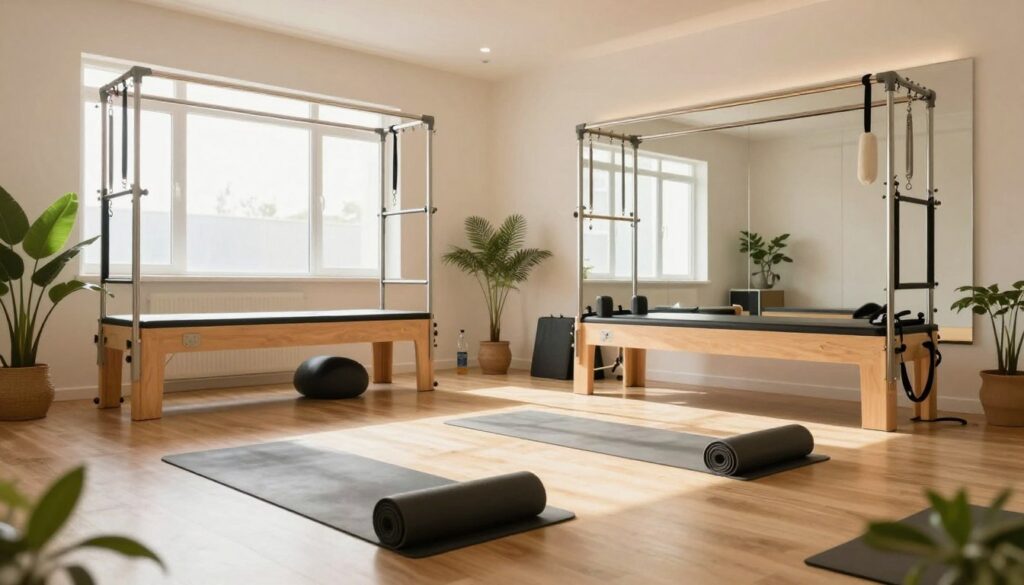
The benefits extend far beyond physical fitness. Better sleep arrives naturally. Daily stress decreases as you develop coping tools through practice. Confidence grows as you master new skills and witness your body’s capabilities expanding.
Many people wish they’d started their home practice sooner. The first step feels daunting but proves simpler than imagined. Your future self will thank you for beginning today rather than waiting for perfect conditions that never arrive.
Create your space. Start your practice. Feel better every day. Your home Pilates studio awaits, ready to support your wellness journey for years to come.
Ready to Transform Your Health at Home?
Get started with our complete Home Pilates Starter Package. Includes equipment recommendations, 30-day beginner workout plan, form check videos, and three months of premium online class access. Everything you need to build your home practice with confidence.
Questions? Our Pilates experts are available Monday-Friday, 9am-6pm EST to help you get started.