

Finding the right health coverage can feel overwhelming. With hundreds of insurance plans available across the United States, knowing where to start makes all the difference. A health marketplace simplifies this process by bringing together multiple health insurance options in one accessible location.
Whether you’re shopping for coverage during the open enrollment period or experiencing a qualifying life event, understanding how to navigate these platforms empowers you to make informed decisions. This guide walks you through everything you need to know about accessing and using one of the largest health marketplaces available today.
What Is a Health Insurance Marketplace?
A health insurance marketplace is a service that helps people shop for and enroll in health insurance. These platforms were established under the Affordable Care Act to make coverage more accessible. The insurance marketplace allows you to compare health plans based on cost, benefits, and coverage level.
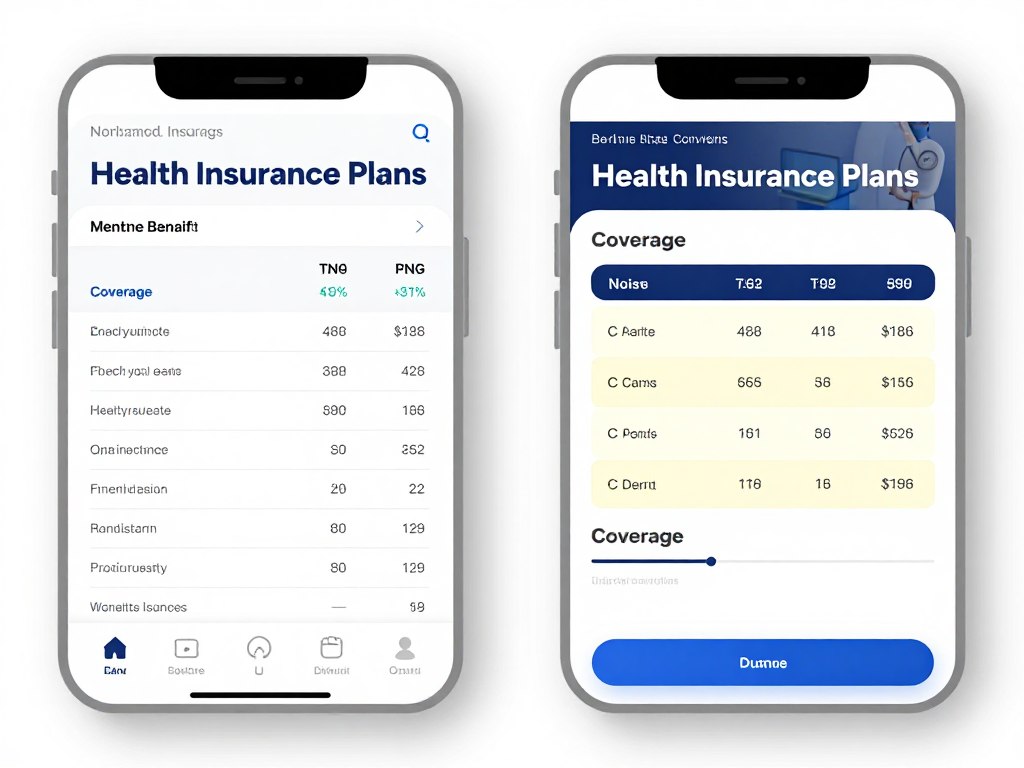
These marketplaces serve as a one-stop shop where individuals and families can browse insurance plans from multiple providers. Each plan marketplace offers standardized information, making it easier to compare options side by side. You can review premium costs, deductibles, and what each plan covers before making a decision.
The health insurance marketplace also determines eligibility for financial assistance. Many people qualify for premium tax credits or subsidies that lower monthly costs. The platform calculates these savings based on your income and household size.
Questions about marketplace plans
Both state-run and federally facilitated marketplaces operate across the country. Some states manage their own platforms, while others use the federal system. Regardless of which type serves your area, the core function remains the same: connecting you with health coverage options.
Key Benefits of Using a Large Health Marketplace

Large health marketplaces offer distinct advantages over smaller alternatives. The primary benefit is choice. When you access one of the largest platforms, you gain access to numerous insurance plans from different companies. This variety ensures you can find coverage that fits your specific needs and budget.
Financial Assistance and Subsidies
One major advantage involves financial help. The marketplace determines if you qualify for premium tax credits that reduce monthly insurance costs. These tax credits can significantly lower what you pay for coverage. Many people also qualify for cost-sharing reductions that decrease out-of-pocket expenses when you use health services.
The platform calculates your subsidy eligibility instantly. You enter household income and family size, and the system shows which plans qualify for financial assistance. This transparency helps you understand the true cost of coverage before enrollment.
Standardized Plan Comparison
All health plans in the marketplace follow standardized formats. Plans are organized into metal tiers: Bronze, Silver, Gold, and Platinum. This structure makes comparing different options straightforward. Each level indicates how the plan splits costs between you and the insurer.
Bronze plans typically have lower premiums but higher costs when you need care. Platinum plans charge more monthly but cover a larger share of medical expenses. Understanding these categories helps you choose based on how often you expect to use health services.
Consumer Protections
Marketplace health insurance must meet certain standards. All plans cover essential health benefits including doctor visits, hospital stays, prescription drugs, and preventive care. Insurance companies cannot deny coverage based on pre-existing conditions or charge more due to health status.
Ready to Explore Your Health Coverage Options?
Compare plans from leading insurers, check your eligibility for savings, and find coverage that fits your needs and budget. Start your search in one of the nation’s largest health marketplaces today.
Speak with an enrollment specialist
These protections create a level playing field. You can shop with confidence knowing that every plan meets minimum quality standards. This regulation distinguishes marketplace coverage from some alternatives that may offer limited benefits.
How to Navigate and Access the Health Marketplace

Accessing a health marketplace begins with determining which platform serves your state. Visit the main federal marketplace website or check if your state operates its own exchange. The process remains similar regardless of location.
Creating Your Account
Start by creating an account on the marketplace platform. You’ll need basic information including your name, address, and Social Security number. The system uses this data to verify your identity and check eligibility for insurance coverage and financial assistance.
After account creation, you’ll complete an application. This step gathers details about your household, income, and current health insurance status. Be prepared to provide income documentation such as pay stubs or tax returns. Accurate information ensures you receive the correct subsidy amount.
Browsing Available Plans
Once your application is processed, you can browse health plans available in your area. The marketplace displays options based on your location, as insurance coverage varies by region. You’ll see plans organized by metal tier and monthly premium cost.
Each plan listing shows key details: monthly premium, annual deductible, maximum out-of-pocket costs, and covered services. You can filter results based on your priorities. Some people prioritize low monthly premiums, while others prefer plans with lower costs when receiving care.
Understanding Enrollment Periods
The health insurance marketplace operates on specific timeframes. The open enrollment period occurs once per year, typically from November through mid-January. During this window, anyone can sign up for coverage or change their existing plan.
Outside open enrollment, you need a qualifying life event to enroll. A special enrollment period applies when you experience changes like losing other coverage, getting married, having a baby, or moving to a new state. These events give you a limited time window to select a health plan.

Missing the enrollment period means waiting until the next year unless you qualify for a special enrollment period. Understanding these timeframes helps you avoid gaps in coverage. Mark your calendar and gather necessary documents before the enrollment period begins.
Types of Health Services and Products Available
Health marketplaces offer various plan types to meet different needs. Understanding what’s available helps you choose coverage that works for your situation. The insurance marketplace includes options for individuals, families, and small businesses.

Individual and Family Health Plans
Most marketplace health insurance falls into this category. These plans cover you and your dependents. You can add a spouse, children, or other qualifying family members to a single policy. Family coverage costs more than individual plans but less than purchasing separate policies for each person.
All individual and family plans include the ten essential health benefits. These cover doctor visits, emergency care, hospitalization, maternity care, mental health services, prescription drugs, laboratory tests, preventive care, pediatric services, and rehabilitation services. This comprehensive coverage protects you from unexpected medical costs.
Dental and Vision Coverage
Some marketplaces offer standalone dental and vision plans. These provide additional coverage beyond standard health insurance. Dental plans help with routine cleanings, fillings, and more extensive procedures. Vision plans cover eye exams, glasses, and contact lenses.
For children, dental coverage is considered an essential health benefit. You can purchase it as part of a health plan or as a separate policy. Adult dental and vision coverage remains optional but can provide valuable protection and savings.
Plan Categories by Coverage Level
Bronze plans work well if you’re generally healthy and want protection against major medical expenses. These plans have the lowest premiums but highest out-of-pocket costs. You’ll pay more when you visit the doctor or need treatment, but your monthly cost stays low.
Silver plans offer middle-ground coverage. They balance moderate premiums with reasonable costs when you need care. Silver plans are the only tier eligible for cost-sharing reductions if your income qualifies. This extra assistance lowers deductibles and copayments.
Gold plans charge higher premiums but cover more of your medical costs. If you expect to use healthcare services regularly, a Gold plan often saves money overall. You’ll pay less each time you visit the doctor or fill a prescription.
Platinum plans provide the most comprehensive coverage. These have the highest monthly premiums but lowest costs when you receive care. People with ongoing medical needs or those who prefer predictable expenses often choose Platinum level coverage.

Bronze Plans
Lowest monthly premium with higher costs when you need care. Covers approximately 60% of medical expenses. Best for healthy individuals who rarely visit doctors and want catastrophic protection.

Silver Plans
Balanced premiums and out-of-pocket costs. Covers about 70% of expenses. Eligible for cost-sharing reductions based on income. Popular choice for moderate healthcare users seeking value.

Gold Plans
Higher monthly cost with lower expenses at doctor visits. Covers approximately 80% of medical costs. Ideal for people who use healthcare regularly or have ongoing prescription needs.
Special Considerations for Different Life Stages
Young adults often benefit from Bronze or Silver plans due to generally good health. These lower-premium options provide essential protection without high monthly costs. Some states offer catastrophic plans for people under 30, which have very low premiums but only cover major medical expenses after a high deductible.
Families with children should consider plans that cover pediatric care comprehensively. Look for options with low copays for pediatrician visits and good prescription drug coverage. Many preventive services for children are covered at no cost.
People approaching retirement age may find Gold or Platinum plans more economical. Healthcare needs typically increase with age, making higher coverage levels worthwhile. These plans reduce the financial burden of more frequent medical appointments and treatments.
Large-Scale Health Marketplaces vs. Smaller Alternatives

Choosing between a large marketplace and smaller alternatives depends on your priorities. Large health marketplaces offer advantages that smaller options often cannot match. Understanding these differences helps you decide where to shop for insurance coverage.
Breadth of Options
Large marketplaces feature dozens of health insurance plans from multiple companies. This variety means you’re more likely to find a plan that matches your specific requirements. Smaller platforms or direct-to-insurer purchases limit your choices to one company’s offerings.
More options also increase competition among insurers. Companies must price plans competitively to attract customers. This competition can result in better value for consumers shopping in large marketplaces.
Access to Financial Assistance
Premium tax credits and subsidies are only available through official health insurance marketplaces. If you buy insurance directly from a company or through a private exchange, you cannot access these savings. For many people, subsidies make the difference between affordable and unaffordable coverage.
The marketplace automatically applies your tax credit to monthly premiums. This reduces what you pay each month rather than requiring you to wait for a tax refund. Immediate savings make budgeting easier and coverage more accessible.
Consumer Protections and Standards
All marketplace plans meet Affordable Care Act standards. They cover essential health benefits and cannot discriminate based on health status. Some alternatives outside the marketplace offer limited benefit plans that don’t provide comprehensive protection.
Short-term health plans and health sharing ministries operate outside marketplace regulations. While these alternatives may cost less upfront, they often exclude coverage for pre-existing conditions and essential services. Understanding what you’re buying prevents unpleasant surprises when you need care.
Large Marketplace Advantages
- Extensive plan selection from multiple insurers
- Eligibility for premium tax credits and subsidies
- Standardized plan formats for easy comparison
- Essential health benefits guaranteed
- Pre-existing conditions covered
- Enrollment assistance available
- One platform for all household members
Smaller Alternative Limitations
- Limited plan choices from fewer insurers
- No access to federal subsidies or tax credits
- May exclude essential health benefits
- Possible pre-existing condition exclusions
- Less standardized information
- Limited customer support resources
- May require separate applications per person
When Alternatives Make Sense
Small brokers and direct insurer purchases have their place. If you don’t qualify for subsidies and prefer working with a specific insurance company, buying directly can work. Some people value the personal relationship with a local agent.
However, even in these situations, starting your search on a large marketplace makes sense. You can compare all available options before deciding. The platform costs nothing to use, and you’re not obligated to enroll through it.
For most Americans, particularly those with moderate incomes, large health marketplaces offer unmatched value. The combination of choice, financial assistance, and consumer protections creates a powerful advantage.
Getting Started: A Guide for First-Time Users

Starting your health insurance journey on a marketplace platform doesn’t have to feel intimidating. Following a step-by-step approach makes the process manageable. First-time users who prepare in advance find enrollment goes smoothly.
Documents and Information to Gather
Before beginning your application, collect necessary documents. You’ll need proof of income such as recent pay stubs, W-2 forms, or tax returns. Self-employed individuals should have profit and loss statements ready. This documentation helps determine subsidy eligibility.
Have Social Security numbers for everyone who needs coverage. You’ll also need information about any current health insurance, including policy numbers and coverage dates. If you’re claiming a special enrollment period, gather proof of your qualifying life event.
Step-by-Step Enrollment Process
Start by visiting your state’s marketplace website or the federal platform. Create an account with your email address and a secure password. The system will ask basic questions to confirm your identity.
Complete the household application next. Enter information about everyone who needs insurance coverage. Include income details for all household members. The application takes 20-30 minutes for most people.
Review your eligibility results carefully. The system shows if you qualify for Medicaid, the Children’s Health Insurance Program, or marketplace coverage with subsidies. Check that the calculated tax credit amount seems accurate based on your income.
Browse available health plans in your area. Use filters to narrow options based on your priorities. Click on plans that interest you to see detailed information about coverage, costs, and provider networks.
Compare your top choices side by side. Look beyond monthly premium costs. Consider deductibles, copayments, and which doctors and hospitals participate in each network. Calculate your total expected annual costs including premiums and likely out-of-pocket expenses.

Select your chosen plan and proceed to enrollment. You’ll confirm your information and choose your coverage start date. Most plans begin on the first day of the following month if you enroll by the 15th of the current month.
Getting Help When You Need It
Assistance is available throughout the enrollment process. Many marketplaces offer phone support with trained representatives. These specialists can answer questions about eligibility, plan selection, and enrollment procedures.
Local navigators and certified application counselors provide free in-person help. These professionals are trained to guide you through the marketplace. They can explain plan differences and help you complete your application.
Insurance agents and brokers also assist with marketplace enrollment. Licensed professionals can represent you and help select appropriate coverage. Their services are typically free, as they receive commission from insurance companies.
Need Personalized Guidance? We’re Here to Help
Not sure which health plan is right for you? Our enrollment specialists can review your needs, explain your options, and guide you through every step of the process. Get expert assistance at no cost to you.
Tips for Making the Most of Health Marketplace Resources
Maximizing your marketplace experience requires strategy and awareness. These practical tips help you navigate the platform effectively and choose coverage that truly meets your needs.

Timing Your Enrollment
Don’t wait until the last days of open enrollment to shop for coverage. Starting early gives you time to research options, compare plans carefully, and resolve any application issues. Technical problems or documentation requests can delay enrollment if you wait too long.
If you’re eligible for a special enrollment period, act within the allowed timeframe. Most qualifying events give you 60 days to enroll. Missing this window means waiting until the next open enrollment period unless another qualifying event occurs.
Accurately Estimating Income
Your subsidy amount depends on projected annual income, not last year’s earnings. If you expect significant income changes, use your best estimate of what you’ll earn this year. Underestimating income can result in owing money back at tax time. Overestimating means missing out on savings you qualify for.
Report income changes to the marketplace as they happen. Getting a raise, losing a job, or starting a business affects subsidy eligibility. Updating your information ensures you receive the correct tax credit amount throughout the year.
Understanding Provider Networks
Every health plan has a network of doctors, hospitals, and other providers. Using in-network providers costs less than going out of network. Before choosing a plan, verify that your current doctors participate. If keeping your doctor matters, check network listings carefully.
Network sizes vary among plans. Some offer extensive networks with many choices. Others have narrower networks with fewer providers but potentially lower premiums. Consider how important provider choice is to you when selecting coverage.
Reviewing Plan Costs Holistically
Monthly premium is just one cost factor. A plan with a low premium might have a high deductible or expensive copays. Calculate your total expected annual costs by adding premiums to estimated out-of-pocket expenses based on your anticipated healthcare use.
If you take regular medications, check each plan’s formulary. This list shows which drugs are covered and their cost tier. A plan might cost more monthly but save money overall if it covers your prescriptions at a lower tier.
Taking Advantage of Preventive Care
All marketplace plans cover preventive services at no cost when you use in-network providers. These include annual checkups, vaccinations, screenings, and counseling services. Using preventive care helps you stay healthy and catch problems early when they’re easier and less expensive to treat.
Keeping Documentation Organized
Save copies of all marketplace correspondence, including your eligibility notice, plan selection confirmation, and payment records. This documentation helps if questions arise about your coverage or subsidies. Keep digital or physical files organized for easy reference.
- Gather income documentation and Social Security numbers
- List current medications and doctors
- Estimate annual healthcare expenses
- Research plan types and coverage levels
- Check if doctors are in-network
- Calculate subsidy eligibility
Before Enrollment
- Compare plans carefully across metal tiers
- Review provider networks thoroughly
- Check prescription drug formularies
- Calculate total annual costs
- Confirm coverage start date
- Save confirmation documents
During Enrollment
- Pay your first premium on time
- Receive and review insurance cards
- Update marketplace with income changes
- Schedule preventive care appointments
- Understand how to use your coverage
- Keep all plan documents organized
After Enrollment
Preparing for Annual Renewal
Marketplace coverage requires annual renewal during open enrollment. The marketplace will auto-renew your coverage if you don’t make changes, but reviewing options each year makes sense. Plan costs, networks, and your needs may change. Comparing available plans annually ensures you maintain the best coverage for your situation.
Update your application information at renewal. Report any household changes, income adjustments, or address updates. Accurate information ensures proper subsidy calculations and prevents payment issues.
Understanding Special Enrollment Period Opportunities

Life changes often affect health insurance needs. The special enrollment period allows you to enroll outside the annual open enrollment window when you experience qualifying events. Understanding when you’re eligible helps you maintain continuous coverage.
Common Qualifying Life Events
Losing health coverage triggers a special enrollment period. This includes losing employer-sponsored insurance, aging off a parent’s plan, or losing Medicaid eligibility. You have 60 days from the coverage loss date to enroll in a marketplace plan.
Getting married creates a special enrollment opportunity for you and your new spouse. Marriage changes your household composition, which may affect eligibility for subsidies. Both partners can enroll or change their coverage following a wedding.
Having a baby, adopting a child, or gaining custody also qualifies. Adding a family member to your household changes your insurance needs. You can enroll the new family member and adjust your own coverage during this special enrollment period.
Moving to a new state or service area gives you access to different health plans. You can enroll in coverage available in your new location. Even moving within a state might qualify if different plan options exist in your new area.
Changes in income that affect subsidy eligibility allow enrollment. If your income drops significantly and you become eligible for premium tax credits, you can enroll in marketplace coverage. Similarly, losing eligibility for Medicaid creates a special enrollment opportunity.
Documenting Your Qualifying Event
The marketplace requires proof of qualifying events. Keep documentation handy when you apply during a special enrollment period. For coverage loss, you might need a termination notice from your previous insurer. Marriage certificates, birth certificates, or custody papers prove other qualifying events.
Submit your enrollment application and supporting documents promptly. The 60-day window starts from the qualifying event date, not when you decide to enroll. Missing the deadline means waiting until the next open enrollment period.
Maximizing Financial Assistance and Subsidies
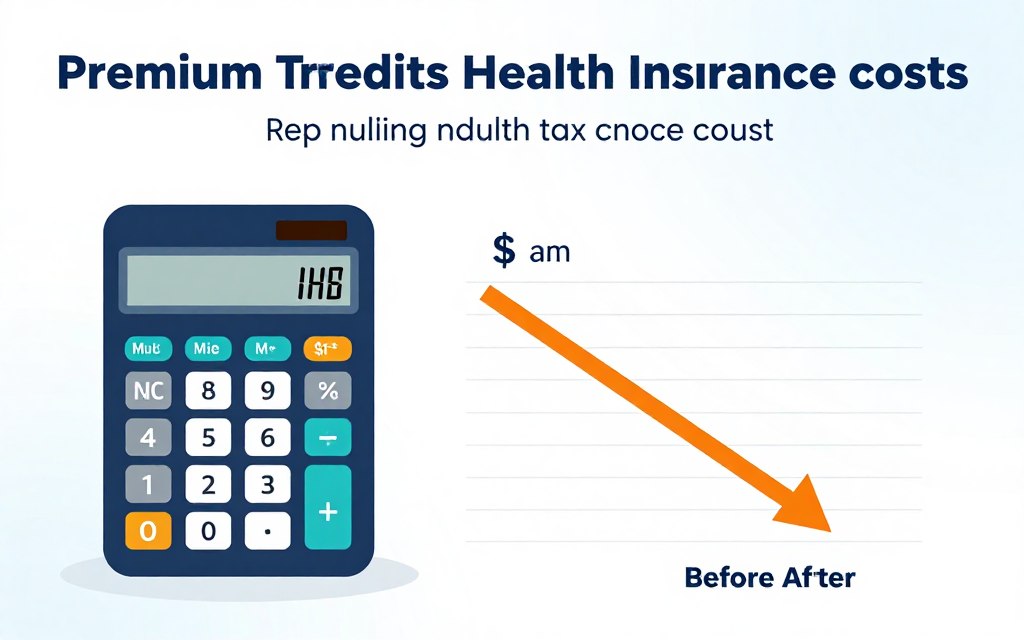
Financial help makes health insurance affordable for millions of Americans. Understanding how subsidies work helps you access maximum savings. The marketplace offers two main types of assistance: premium tax credits and cost-sharing reductions.
Premium Tax Credits Explained
Premium tax credits lower your monthly insurance payment. The amount depends on your household income and family size. The credit is calculated to ensure you don’t pay more than a certain percentage of income for coverage. Lower incomes receive larger credits.
You can use your tax credit in advance or claim it when filing taxes. Most people apply the credit directly to monthly premiums through the marketplace. This advanced payment reduces what you pay each month. Alternatively, you can pay full price monthly and receive the credit as a tax refund.
Tax credit eligibility has income limits. Generally, households earning between 100% and 400% of the federal poverty level qualify. Some states expanded eligibility beyond these limits. The marketplace calculates your specific eligibility based on your application information.
Cost-Sharing Reductions for Extra Savings
Cost-sharing reductions lower out-of-pocket expenses when you receive care. These subsidies reduce deductibles, copayments, and coinsurance amounts. Unlike premium tax credits, cost-sharing reductions only apply to Silver plans.
Eligibility requirements are stricter for cost-sharing reductions. Your household income must fall between 100% and 250% of the federal poverty level. You must also enroll in a Silver plan through the marketplace. The reduction level depends on your income, with lower incomes receiving greater assistance.
Cost-sharing reductions make Silver plans particularly valuable for eligible individuals. Even though Gold plans typically have better coverage, a Silver plan with cost-sharing reductions often provides superior value. Compare both options when you qualify for this assistance.
Reconciling Your Tax Credit
At tax time, you reconcile the advanced premium tax credit you received with your actual credit based on final income. If you earned more than estimated, you might owe some credit back. If you earned less, you receive additional credit as a refund.
Reporting income changes throughout the year minimizes reconciliation surprises. When your income increases or decreases significantly, update your marketplace application. This adjustment keeps your monthly credit amount aligned with what you’ll qualify for annually.
Avoiding Common Health Marketplace Mistakes
Even experienced marketplace users occasionally make errors that cost money or create coverage problems. Learning from common mistakes helps you navigate the platform successfully and choose appropriate insurance coverage.

Forgetting to Account for All Household Members
Your application must include everyone in your household, even if they don’t need insurance. Household size affects subsidy calculations. Leaving people out results in incorrect tax credit amounts. Include your spouse and any dependents you claim on taxes.
Choosing Based Only on Premium Cost
The cheapest monthly premium doesn’t always mean the most affordable coverage. Plans with low premiums often have high deductibles and copays. If you need frequent medical care, paying more monthly for a plan with lower out-of-pocket costs saves money overall.
Not Checking Provider Networks
Assuming your doctor participates in every plan leads to disappointment. Each plan has specific network restrictions. Verify that your preferred providers are in-network before enrolling. Going out of network costs significantly more or may not be covered at all.
Missing the Enrollment Deadline
Procrastinating leads to rushed decisions or missed enrollment opportunities. Mark open enrollment dates on your calendar. Start shopping early in the enrollment period to allow time for careful comparison and decision-making.
Failing to Update Changed Information
Life changes affect insurance eligibility and subsidy amounts. Report changes promptly to avoid problems. Income increases or decreases, address changes, and household changes all impact your coverage and financial assistance.
Take Control of Your Health Coverage Journey

Accessing one of the largest health marketplaces opens doors to comprehensive coverage options. You gain the ability to compare plans from multiple insurers, access financial assistance, and secure protection that meets your specific needs. The platform simplifies what can otherwise feel like an overwhelming process.
Success in the marketplace comes from preparation and informed decision-making. Gather necessary documentation before starting. Take time to compare plans based on your healthcare needs and budget. Don’t hesitate to seek assistance from marketplace representatives, navigators, or licensed agents.
Your health insurance choice impacts your financial security and access to care. The marketplace gives you tools to make that choice confidently. Whether you’re shopping during open enrollment or qualifying for a special enrollment period, the process becomes manageable when you understand how the system works.
Start your journey today. The open enrollment period provides your annual opportunity to secure or change coverage. If you qualify for a special enrollment period, act within the allowed timeframe. Either way, taking action now protects your health and financial wellbeing throughout the coming year.
Begin Your Health Insurance Search Today
Don’t wait to secure quality health coverage. Access one of the nation’s largest health marketplaces now to compare plans, check your savings eligibility, and enroll in coverage that protects what matters most. Your future health starts with one simple step.
Prefer to Speak With Someone?