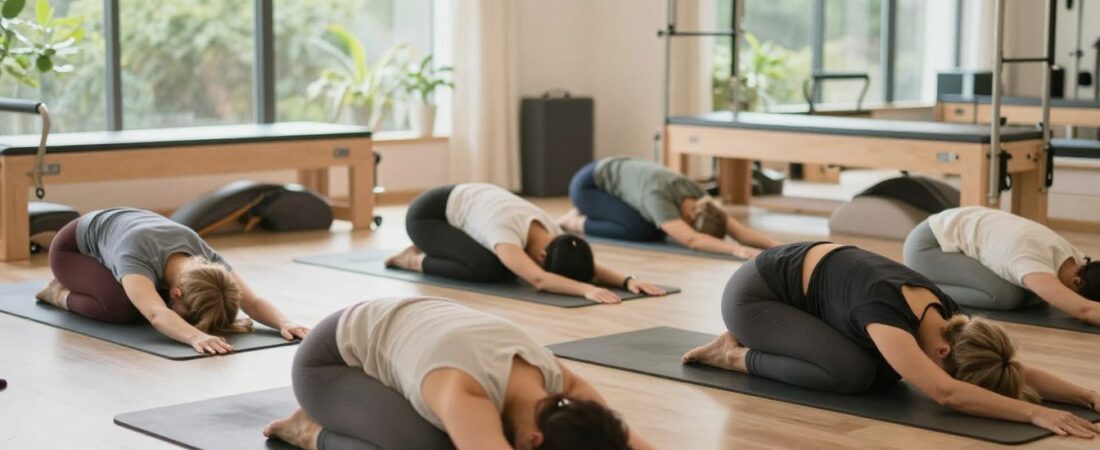
Starting a new fitness journey can feel intimidating, but finding the right movement practice changes everything. Pilates for Every Experience Level offers a welcoming entry point for anyone looking to improve their physical health. Whether you are a complete beginner or returning to exercise, this method focuses on controlled, intentional movement that respects your body.
You do not need fancy equipment or extreme flexibility to begin. This practice is designed to be accessible and inclusive, meeting you exactly where you are today. By building core strength and improving posture, you will feel more confident in your daily life.
Embracing these gentle techniques allows you to cultivate a deeper connection with your muscles. It is time to discover how simple, mindful motions can lead to lasting wellness and vitality. Let us explore how you can start your journey with ease and comfort.
Key Takeaways
- The practice is highly adaptable to all body types and fitness backgrounds.
- Focusing on controlled movements helps build core strength safely.
- No prior athletic background is required to see physical benefits.
- Mindful exercise improves posture and daily functional movement.
- Starting with simple routines builds long-term confidence and consistency.
Understanding the Core Principles of Pilates
Pilates is more than just a workout; it is a comprehensive system designed to harmonize the body and mind. By focusing on the connection between your thoughts and your physical movements, you can achieve a higher level of body awareness. This approach ensures that every session contributes to your overall well-being.
The History and Philosophy of Joseph Pilates
The method was developed in the early 20th century by Joseph Pilates, who sought to create a system for physical rehabilitation. He believed that modern lifestyles often led to poor posture and muscle imbalances. His philosophy centered on the idea that mental focus and physical movement should work in tandem to restore health.
Throughout his life, he refined these movements to help people recover from injuries and improve their daily function. His work remains a cornerstone of modern fitness because it addresses the body as a whole unit. By emphasizing controlled movement, he helped countless individuals regain their strength and vitality.
Why Pilates is Accessible to Everyone
One of the greatest benefits of this practice is that it serves as a perfect low-impact exercise for people of all fitness levels. Because the movements are gentle on the joints, you do not need to worry about the high stress often associated with traditional gym workouts. This makes it an ideal starting point for those who are new to physical activity.
The primary focus on core strength training ensures that you build a stable foundation from the inside out. By strengthening the deep muscles of the abdomen and back, you improve your posture and reduce the risk of future injuries. This focus on the “powerhouse” allows everyone to progress at their own pace.
| Feature | Pilates | High-Intensity Training |
|---|---|---|
| Joint Impact | Low | High |
| Primary Goal | Stability & Alignment | Speed & Power |
| Equipment Needs | Minimal | Extensive |
| Accessibility | High | Moderate |
Whether you are looking to recover from an injury or simply want to feel more capable in your daily life, this method offers a path forward. It is a sustainable practice that grows with you as you become stronger and more confident. You will find that the benefits extend far beyond the mat, influencing how you move through the world every single day.
Preparing for Your First Pilates Session
Preparing for your first Pilates session involves more than just showing up. By taking a few simple steps beforehand, you can ensure that your body and mind are ready for the movements ahead. These beginner Pilates tips will help you feel confident and comfortable as you begin your journey.
Essential Gear and Comfortable Clothing
When selecting your attire, prioritize breathability and flexibility. You want clothing that moves with you rather than against you during complex exercises. Look for high-quality, stretchy fabrics that allow for a full range of motion without feeling restrictive.
Avoid loose-fitting clothes that might get in the way or bunch up during floor work. Proper gear is essential because it allows you to focus entirely on your form and alignment. Remember that you do not need expensive equipment to start; simple, comfortable athletic wear is perfectly sufficient.
Creating a Dedicated Space at Home
Establishing a consistent home workout routine requires a space where you can focus without interruption. Choose a quiet corner of your home that is free from clutter and distractions. Even a small area is enough to lay down your mat and move freely.
Try to keep your mat and any necessary props in this area so you are always ready to practice. Having a designated spot helps your brain associate that location with movement and mindfulness. This simple habit makes it much easier to stay consistent with your fitness goals over time.
Pilates for Every Experience Level: Foundational Movements
Establishing a solid base is essential for anyone exploring the world of Pilates. By focusing on these core movements, you ensure that Pilates for Every Experience Level remains safe, effective, and rewarding. These exercises serve as the building blocks for more complex routines later on.
Mastering the Pelvic Tilt
The pelvic tilt is a fundamental movement designed to stabilize your spine and protect your lower back. It teaches you how to engage your deep abdominal muscles while maintaining a neutral spine position.
- Lie on your back with your knees bent and feet flat on the floor.
- Inhale deeply to prepare your body for the movement.
- Exhale slowly while gently pressing your lower back into the mat by tilting your pelvis upward.
- Hold this position for a few seconds, feeling the gentle activation of your core, then release back to neutral.
The Importance of Proper Breathing Techniques
Effective Pilates breathing techniques are the heartbeat of your practice. Unlike shallow chest breathing, this method encourages lateral ribcage expansion, which helps maintain core stability during movement.
By synchronizing your breath with each exercise, you provide your muscles with the oxygen they need to perform at their best. This rhythmic flow also helps to calm the nervous system, allowing you to focus entirely on the precision of your movements.
Engaging the Powerhouse Muscles
In the world of Pilates, the “powerhouse” refers to the center of your body, including your abdominals, lower back, hips, and glutes. Strengthening this area is vital for overall body alignment and injury prevention.
When you learn to engage these muscles correctly, you create a stable foundation for every limb movement. Remember that quality always beats quantity; focus on the sensation of control rather than rushing through your repetitions.
Modifying Pilates Exercises for Beginners
Modifying your routine is a smart way to build strength while respecting your body’s current limits. You do not need to perform every movement perfectly on your first day to see real results. By making small, intentional changes, you can focus on Pilates for flexibility without feeling overwhelmed or discouraged.
Adjusting Range of Motion for Comfort
It is vital to listen to your body during every session. If a movement feels too intense or causes discomfort, simply reduce the range of motion. You can perform smaller, controlled movements that still engage your muscles effectively.
Consistency is far more important than intensity when you are just starting out. By keeping your movements within a pain-free zone, you protect your joints and build a solid foundation. This approach is essential for those prioritizing Pilates for flexibility as a long-term goal.
Using Props to Support Your Practice
Props are not just for beginners; they are versatile tools that help you maintain proper alignment. Using them allows you to deepen your stretches and stabilize your core during challenging poses. Consider incorporating these common items into your home studio:
- Yoga blocks: Perfect for bringing the floor closer to your hands.
- Resistance straps: Excellent for gently increasing your reach and Pilates for flexibility.
- Small soft balls: Great for providing feedback to your core muscles.
“The mind, when housed within a healthful body, possesses a glorious sense of power.”
Do not hesitate to experiment with these tools to find what works best for your unique anatomy. When you feel supported, you can move with more confidence and precision. Remember that every modification is a step toward a stronger, more capable version of yourself.
Intermediate Pilates Techniques to Challenge Your Strength
Transitioning from beginner moves to intermediate practice is a rewarding milestone in your physical development. Once the basics are firmly established, you can begin to explore more demanding variations that push your body further. This phase is essential for anyone looking to deepen their core strength training and achieve greater physical mastery.
Increasing Intensity with Controlled Repetitions
The secret to building endurance lies in the speed of your movement. By performing exercises with deliberate, slow-motion repetitions, you force your muscles to work harder throughout the entire range of motion. This method eliminates momentum, ensuring that your deep stabilizers are constantly engaged.
Focusing on these slow, controlled movements helps you develop a more stable foundation. You will notice that your balance improves as your muscles learn to sustain tension for longer periods. This approach is a cornerstone of effective core strength training, as it demands constant focus and mental clarity.
Adding Resistance for Muscle Toning
To further enhance your results, you can introduce external tools to your routine. Using resistance bands or light hand weights adds a new layer of difficulty to standard movements. These muscle toning exercises help you sculpt your physique while increasing your overall power.
Resistance tools provide constant tension, which is highly effective for muscle definition. When you incorporate these items, you create a more challenging environment that encourages your body to adapt and grow stronger. Consistent practice with these tools will lead to noticeable improvements in your tone and posture.
| Technique Level | Primary Focus | Equipment Used | Goal |
|---|---|---|---|
| Beginner | Alignment | Mat Only | Stability |
| Intermediate | Endurance | Bands/Weights | Muscle toning exercises |
| Advanced | Flow | Reformer/Props | Precision |
Advanced Pilates Flow for Experienced Practitioners
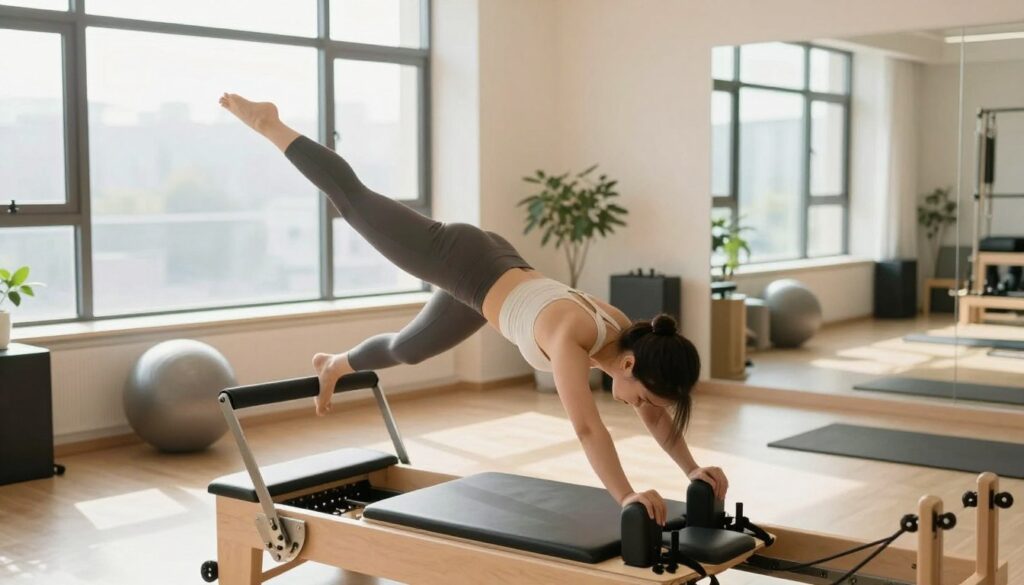
Experienced practitioners often find that the true magic of Pilates happens when individual moves melt into a continuous, rhythmic sequence. Moving beyond isolated exercises allows you to explore the full potential of your body. This advanced Pilates flow transforms your workout into a dance-like experience that challenges both your physical stamina and your mental focus.
Connecting Movements for Fluidity
Fluidity is the hallmark of a seasoned practitioner. Instead of stopping between repetitions, you learn to use the momentum of one movement to initiate the next. This creates a seamless loop of energy that keeps your muscles engaged throughout the entire session.
By linking your breath to these transitions, you create a rhythmic quality that feels natural and effortless. This approach not only builds endurance but also helps you develop a deeper awareness of how your body moves through space. It is the ultimate way to test your coordination and balance.
“Physical fitness is the first requisite of happiness. Our interpretation of physical fitness is the attainment and maintenance of a uniformly developed body with a sound mind.”
Focusing on Precision and Control
As you advance, the goal shifts from simply completing a move to perfecting the quality of every repetition. Precision and control are essential to ensure that you are working the correct muscle groups without relying on momentum. This level of detail is vital for improving your Pilates for flexibility, as it allows you to safely reach deeper ranges of motion.
When you maintain strict alignment, you maximize the efficiency of every exercise. This dedication to form ensures that your practice remains safe while providing the intensity needed for real progress. Consistent attention to these details will significantly enhance your Pilates for flexibility over time.
| Feature | Beginner Practice | Advanced Flow |
|---|---|---|
| Movement Style | Isolated Exercises | Continuous Sequences |
| Primary Focus | Learning Alignment | Refining Precision |
| Breath Pattern | Basic Rhythmic | Complex Synchronization |
| Intensity Level | Low to Moderate | High and Sustained |
Pilates for Different Age Groups and Physical Needs
The beauty of the Pilates method lies in its incredible ability to support diverse physical requirements through tailored modifications. Because the system focuses on controlled, precise movements, it remains a highly effective tool for people at any stage of life. Whether you are looking to maintain your independence or regain your strength, this practice offers a customizable approach to wellness.
Gentle Pilates for Seniors
As we age, maintaining functional movement becomes a top priority for long-term health. Incorporating low-impact exercise into your weekly routine can significantly improve balance and joint health. Many senior fitness programs now feature these movements because they help increase bone density without putting unnecessary stress on the body.
By focusing on core stability, older adults can reduce the risk of falls and improve their posture. These sessions are designed to be slow and deliberate, ensuring that every participant feels safe and supported. Consistent practice helps keep the body agile and resilient against the natural effects of aging.
Post-Rehabilitation Pilates Considerations
Recovering from an injury or surgery requires a careful and structured approach to physical activity. Pilates serves as an excellent bridge between clinical physical therapy and a full return to fitness. By utilizing injury prevention exercises, individuals can safely rebuild muscle tone and restore range of motion.
The emphasis on alignment and deep muscle engagement allows for a gradual increase in intensity. This method ensures that you do not overexert healing tissues while still making progress toward your recovery goals. Always consult with your healthcare provider before starting a new routine to ensure it aligns with your specific healing timeline.
| Focus Area | Senior Fitness | Post-Rehab Recovery |
|---|---|---|
| Primary Goal | Mobility & Balance | Strength & Alignment |
| Intensity Level | Low and Controlled | Very Low to Moderate |
| Key Benefit | Bone Density Support | Safe Tissue Healing |
| Recommended Frequency | 3 Times Weekly | As Advised by Doctor |
The Mental Health Benefits of Consistent Practice
Many people start Pilates for the body, but they stay for the profound peace of mind it provides. While the physical gains are often the initial draw, the internal transformation is what keeps practitioners coming back for years. Consistent practice acts as a bridge between your physical health and your emotional stability.
Reducing Stress Through Mindful Movement
Engaging in mindful movement allows you to step away from the chaos of daily life. By focusing entirely on your breath and the alignment of your body, you naturally quiet the nervous system. This process serves as one of the most effective stress reduction techniques available today.
When you move with intention, your body releases tension that often accumulates during high-pressure situations. You will find that your heart rate stabilizes and your mind begins to settle into a state of calm. This practice creates a safe space where you can let go of external worries and simply exist in the present moment.
Improving Focus and Cognitive Clarity
Pilates functions much like a form of moving meditation that sharpens your mental edge. Because each exercise requires precise control and coordination, your brain must remain fully engaged throughout the session. This high level of concentration helps to clear away mental fog and improves your ability to stay focused on tasks outside of the studio.
Regular practitioners often report feeling more alert and mentally sharp after their workouts. By training your mind to stay present during physical challenges, you build a habit of clarity that carries over into your professional and personal life. Utilizing these stress reduction techniques consistently can lead to long-term improvements in your overall cognitive function.
| Benefit Category | Physical Impact | Mental Impact |
|---|---|---|
| Core Strength | Improved Posture | Increased Confidence |
| Breath Control | Enhanced Stamina | Reduced Anxiety |
| Mindful Movement | Better Coordination | Greater Mental Clarity |
Common Mistakes to Avoid During Your Workout
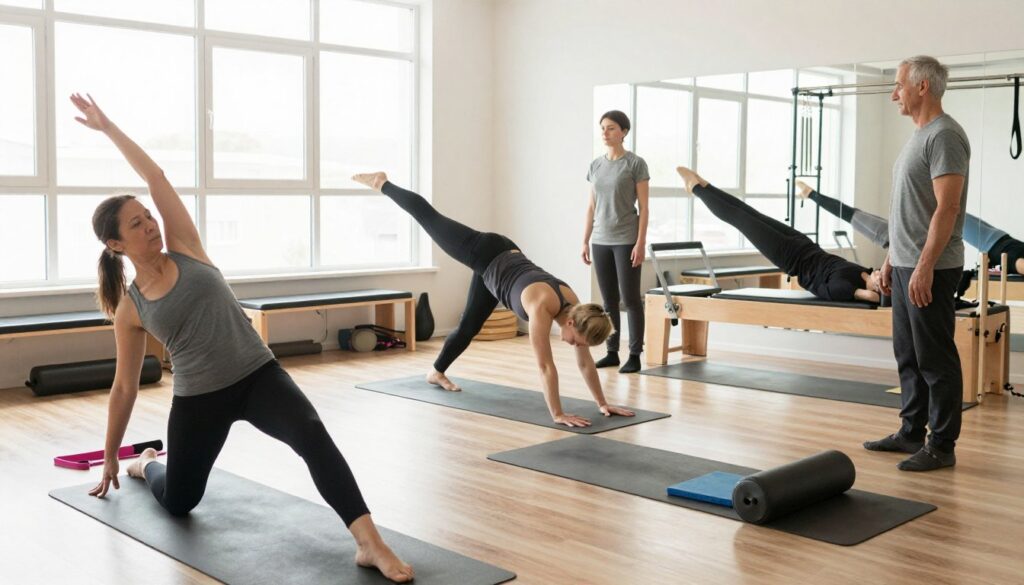
Achieving your fitness goals requires more than just showing up; it demands a keen awareness of your body’s mechanics. Even seasoned practitioners can occasionally fall into habits that hinder their progress or lead to unnecessary discomfort. By identifying these common pitfalls early, you can refine your practice and ensure every movement serves your body well.
Preventing Neck and Lower Back Strain
One of the most frequent issues during abdominal work is the tendency to pull on the neck. To avoid this, keep your gaze soft and focus on engaging your deep core muscles rather than straining your upper body. Imagine a gentle length in your spine, keeping it neutral and fully supported against the mat.
Lower back strain often occurs when the pelvis tilts too far or the core loses its connection to the floor. Always prioritize quality over quantity by shortening your range of motion if you feel your back arching. A stable, supported spine is the foundation of a safe and effective session.
Maintaining Proper Alignment Throughout Exercises
Proper alignment is the silent partner of every successful movement. When you focus on keeping your shoulders, hips, and limbs in their intended positions, you maximize the efficiency of your workout. This attention to detail is a cornerstone of effective injury prevention exercises that keep you moving pain-free for years to come.
Integrating consistent Pilates breathing techniques helps you maintain this alignment even during challenging sequences. By exhaling deeply during the most difficult part of a movement, you naturally engage your powerhouse muscles and stabilize your frame. Remember, precision is far more valuable than speed when it comes to building lasting strength and body awareness.
Building a Sustainable Pilates Routine
Creating a lasting habit requires more than just willpower; it demands a smart strategy. When you design a home workout routine that fits your unique lifestyle, you remove the barriers that often lead to quitting. Consistency is the true engine of long-term success in any physical practice.
Setting Realistic Fitness Goals
It is easy to feel excited at the start, but setting goals that are too ambitious can lead to burnout. Instead, focus on small, achievable milestones that keep you motivated. By celebrating these minor victories, you build the confidence needed to stay committed for the long haul.
Consider your current energy levels and schedule when planning your sessions. A sustainable approach means choosing quality over quantity. Consistency matters far more than the intensity of a single session, so aim for a rhythm you can maintain every week.
Tracking Progress Over Time
Measuring your growth provides the clarity needed to stay on track. Whether you are following specialized senior fitness programs or simply looking to improve your daily mobility, keeping a log is incredibly helpful. You might track the number of repetitions, the ease of a specific movement, or how your body feels after a session.
Visualizing your improvement helps you see the gradual changes in your strength and flexibility. This data-driven approach is particularly effective for those who want to ensure they are moving safely. Remember that progress is rarely a straight line, so be patient with yourself as you continue your journey toward better health.
Integrating Pilates with Other Fitness Activities
Integrating Pilates into your existing workout routine can unlock new levels of physical potential. By combining this practice with other forms of exercise, you can reach your physical fitness goals more efficiently. This holistic approach ensures that your body remains balanced, strong, and resilient against common injuries.
Complementing Strength Training and Cardio
Traditional strength training often focuses on large muscle groups, while Pilates targets the deep stabilizing muscles. When you add these sessions to your week, you improve your core stability and overall functional movement patterns. This synergy allows you to lift heavier weights with better form and reduced risk of strain.
Cardiovascular health is essential, but repetitive impact can sometimes lead to joint fatigue. Incorporating muscle toning exercises from the Pilates method provides a low-impact way to recover while still building lean mass. It acts as the perfect bridge between high-intensity cardio days and rest days.
“Physical fitness is the first requisite of happiness. Our interpretation of physical fitness is the attainment and maintenance of a uniformly developed body with a sound mind.”
Using Pilates for Better Athletic Performance
Athletes across all disciplines are discovering that athletic performance improvement is not just about raw power. By focusing on mindful movement, you can enhance your agility and reaction time on the field or court. This mental connection to your muscles allows for more precise control during explosive movements.
Consider the following benefits of adding Pilates to your training schedule:
- Increased Range of Motion: Better flexibility leads to more efficient strides and swings.
- Enhanced Core Power: A stable center is the foundation for all athletic force production.
- Injury Prevention: Strengthening smaller stabilizer muscles protects joints during high-impact activities.
- Improved Recovery: Gentle, controlled movements help flush out lactic acid and reduce muscle soreness.
Ultimately, Pilates serves as the glue that holds your fitness regimen together. Whether you are a professional athlete or a weekend warrior, this practice provides the necessary tools to sustain long-term health and peak performance.
Conclusion
Your commitment to movement creates a foundation for lifelong wellness. By integrating these practices into your daily schedule, you unlock a path toward better physical health and mental clarity.
Consistent practice allows you to master an advanced Pilates flow that challenges your body in new ways. This dedication translates into noticeable athletic performance improvement across all your favorite sports and activities.
You now possess the tools to manage daily pressures through proven stress reduction techniques. These methods help you maintain balance even during your busiest days.
Start your next session with confidence and purpose. Your body will reward your efforts with increased strength, flexibility, and a renewed sense of vitality. Share your progress with friends or join a local studio to keep your motivation high as you continue this rewarding path.