

The weight of unforgiveness sits heavy on the human heart. It manifests as tightness in your chest when you recall past wrongs. It surfaces as anger when you encounter reminders of betrayal. It shapes your reactions in ways that don’t serve your highest good.
Yet within this burden lies an extraordinary opportunity. Forgiveness offers a pathway to emotional freedom that transforms not just isolated moments, but your entire way of being in the world. This journey requires courage, honesty, and a willingness to explore the depths of your inner landscape.
What follows is a comprehensive exploration of forgiveness as a tool for profound personal transformation. You’ll discover why releasing emotional pain matters more than you might realize. You’ll learn practical approaches to navigate the complex terrain of letting go. Most importantly, you’ll find a roadmap for the deep inner work that creates lasting change in how you experience life, relationships, and yourself.
Understanding Forgiveness Beyond Simple Definitions
The word forgiveness carries different meanings for different people. Some view it as a religious obligation. Others see it as weakness or surrender. Many confuse it with forgetting, condoning, or reconciling with those who caused harm.
These misconceptions create barriers to healing. They keep people trapped in cycles of resentment and pain. A clearer definition opens pathways to genuine transformation.
What Forgiveness Truly Means
Forgiveness is fundamentally a decision to release the hold that past wrongs have on your present emotional state. It involves acknowledging what happened without denying the reality of harm. It means choosing to stop carrying the burden of resentment while maintaining healthy boundaries.
This process doesn’t require you to minimize wrongdoing. It doesn’t demand that you trust those who violated your trust. It doesn’t ask you to maintain relationships that harm your wellbeing. Instead, forgiveness focuses on your internal freedom rather than external circumstances.
Research in psychology shows that forgiveness correlates with reduced anxiety, lower blood pressure, and improved mental health outcomes. These benefits emerge not from pretending harm didn’t occur, but from genuinely processing and releasing emotional attachments to past events.
Common Misconceptions That Block Progress
The belief that forgiveness equals weakness prevents many from beginning the journey. In truth, holding grudges requires less courage than the vulnerable work of emotional release. Resentment builds walls. Forgiveness requires the strength to examine your pain honestly.
Another barrier emerges from confusing forgiveness with reconciliation. You can forgive someone without ever speaking to them again. You can release resentment while maintaining firm boundaries. Forgiveness serves your healing, not necessarily the restoration of broken relationships.
Many people resist forgiveness because they fear it dishonors their pain or validates harmful behavior. The opposite proves true. Genuine forgiveness requires full acknowledgment of harm. It honors your suffering by refusing to let it define your future. It validates your worth by declaring you deserve freedom from ongoing emotional torment.
What Forgiveness Is
Forgiveness represents a personal choice that prioritizes your emotional wellbeing and future peace over perpetual suffering from past events.
- A decision to release resentment for your own benefit
- Acknowledgment of harm without ongoing emotional bondage
- A process that unfolds gradually over time
- An act of self-compassion and healing
What Forgiveness Is Not
Understanding what forgiveness doesn’t require helps remove obstacles that prevent people from beginning their healing journey.
- Condoning or excusing harmful behavior
- Forgetting what happened or pretending it didn’t occur
- Requiring reconciliation or restored trust
- A sign of weakness or moral superiority
Benefits of Forgiveness
Scientific research demonstrates measurable improvements in both psychological and physical health among those who practice forgiveness regularly.
- Reduced stress and anxiety levels
- Improved cardiovascular health
- Enhanced emotional regulation capacity
- Greater life satisfaction and wellbeing
Challenges in Forgiveness
Recognizing common obstacles helps you navigate difficulties with greater awareness and realistic expectations for the journey ahead.
- Fear that forgiveness validates wrongdoing
- Difficulty distinguishing forgiveness from reconciliation
- Attachment to anger as protective mechanism
- Cultural or social pressure affecting the process
The Philosophical and Psychological Perspectives
Philosophers have debated the nature and ethics of forgiveness for centuries. Some argue it represents a moral virtue essential to human flourishing. Others examine whether certain acts exceed the boundaries of forgivability. These discussions reveal the complexity beneath seemingly simple concepts.
Modern psychology approaches forgiveness through multiple theoretical frameworks. Cognitive theories focus on how changing thought patterns about offenses reduces emotional distress. Emotional processing models emphasize working through feelings before cognitive shifts can occur. Interpersonal theories examine forgiveness within relationship dynamics and social contexts.
Each perspective offers valuable insights. The cognitive view helps identify thought patterns that perpetuate suffering. Emotional processing acknowledges that intellectual understanding alone doesn’t heal wounds. Interpersonal frameworks recognize that humans exist in social webs where individual healing connects to broader relationship patterns.
Integration of these perspectives creates a more complete understanding. Forgiveness involves thought, emotion, behavior, and social context. Effective approaches address all these dimensions rather than focusing narrowly on one aspect of human experience.
Begin Your Healing Journey Today
Experience immediate relief with our professionally recorded 10-minute guided forgiveness meditation. This science-backed practice helps release emotional tension and opens pathways to inner peace. Join over 50,000 people who have started their transformation.
The Emotional Weight That Unforgiveness Carries
Unresolved anger doesn’t simply fade with time. It calcifies into resentment that colors perception and limits possibility. This emotional burden affects far more than isolated memories of specific events.
How Resentment Shapes Your Present Reality
Resentment functions like a lens through which you interpret new experiences. When carrying anger toward someone who betrayed your trust, you might find yourself suspecting others of similar intentions. Past hurt creates templates that your mind applies to present situations, often inappropriately.
This pattern affects relationship quality across all areas of life. The friend who forgot to call back triggers disproportionate reactions because their minor oversight connects to deeper wounds about being forgotten or devalued. Your partner’s innocent comment sparks defensiveness rooted in criticism you received years ago from someone else entirely.
These distortions occur largely outside conscious awareness. You experience the emotional reaction without recognizing its true source. The person in front of you receives the accumulated weight of unprocessed pain they didn’t create. This mechanism damages relationships and perpetuates cycles of disconnection.
Resentment also consumes mental and emotional energy that could fuel creative pursuits, meaningful connections, or personal growth. The mind returns repeatedly to rehearse grievances. It generates imaginary conversations where you finally express everything you wish you’d said. These mental habits drain resources while producing no actual resolution.
Physical Manifestations of Emotional Pain
The body doesn’t distinguish between physical and emotional threats. Chronic resentment triggers the same stress response systems as immediate danger. Cortisol levels remain elevated. Heart rate variability decreases. Immune function becomes compromised over time.
Research demonstrates clear connections between unforgiveness and health problems. Studies show increased cardiovascular risk among those who report high levels of ongoing resentment. Chronic inflammation markers correlate with inability to forgive past wrongs. Sleep quality deteriorates when the mind cannot release rumination about injustices.
Tension often manifests in specific body areas. Some people carry unforgiveness as chronic shoulder and neck tightness. Others experience digestive issues or headaches that have no clear physical cause. The body stores emotional pain when the conscious mind refuses to process it.
These physical symptoms serve as messengers. They indicate unresolved emotional material requiring attention. Addressing only physical symptoms while ignoring their emotional roots rarely produces lasting relief. True healing requires acknowledging and releasing the resentment that manifests as bodily discomfort.

The Cycle of Blame and Victimhood
Holding others responsible for your pain creates a particular kind of powerlessness. When someone else must change before you can heal, you surrender control over your own emotional wellbeing. This dynamic traps you in a victim stance regardless of the original circumstances.
Blame serves temporary psychological functions. It provides clear explanations for suffering. It channels diffuse emotional pain toward specific targets. It protects against the vulnerability of examining your own part in relationship dynamics. These short-term benefits come with significant long-term costs.
The victim identity becomes self-perpetuating. Evidence of being wronged gets collected and rehearsed. Ambiguous situations get interpreted through this lens. Opportunities for resolution get dismissed as inadequate or insincere. The story hardens into fixed identity rather than remaining a description of past events.
Breaking this cycle requires distinguishing between acknowledging harm and building identity around it. Yes, someone hurt you. That fact describes what happened, not who you are. Healing involves metabolizing that experience so it informs but doesn’t define you. This shift represents one of the most challenging aspects of forgiveness work.
Impact on Relationships and Social Connections
Unresolved resentment toward one person affects how you relate to everyone. It creates hypervigilance for similar hurts. It raises defenses that block intimacy. It generates expectations that poison new connections before they fully form.
Consider the person who experienced infidelity in a past relationship. Without processing that betrayal, they might interrogate new partners about their whereabouts. They might search phones or create tests of loyalty. These behaviors emerge from unhealed wounds rather than present reality. They often create the very rejection and distance they fear.
Friend groups also suffer when one member carries unresolved anger toward another. Others feel pressure to choose sides. Social gatherings become minefields of potential conflict. The community fragments under the weight of unprocessed emotion that two people refuse to address.
Even relationships with people uninvolved in original conflicts bear consequences. Children absorb parental resentment and model those patterns. Coworkers navigate around emotional landmines they don’t understand. The ripple effects of unforgiveness extend far beyond the primary relationship where harm occurred.
Effects of Practicing Forgiveness
- Reduced stress hormone levels and improved physical health
- Enhanced emotional regulation and psychological wellbeing
- Improved relationship quality and social connection
- Increased mental clarity and cognitive function
- Greater capacity for joy and positive emotions
- More energy available for creative and productive pursuits
Consequences of Chronic Unforgiveness
- Elevated cardiovascular disease risk and blood pressure
- Increased anxiety, depression, and rumination
- Damaged trust and intimacy in relationships
- Impaired decision-making and mental exhaustion
- Diminished capacity for positive emotional experiences
- Depleted energy reserves and chronic fatigue
The Four Stages of the Forgiveness Process
Forgiveness unfolds as a journey rather than arriving as a single decision. Understanding distinct stages helps you navigate this terrain with realistic expectations and appropriate strategies for each phase.
Stage One: Acknowledging the Hurt
Genuine forgiveness begins with unflinching honesty about what happened and how it affected you. This stage requires you to stop minimizing, rationalizing, or prematurely rushing past legitimate pain. Many people skip this crucial foundation in their eagerness to “get over it” and move on.
Acknowledgment involves naming specific harms. Not vague generalities like “they hurt me,” but precise accounts of actions and their impacts. This might sound like: “When they shared my private information with others, I felt betrayed and lost trust in our friendship.” Specificity prevents the mind from glossing over real wounds.
This stage also requires recognizing the full scope of consequences. How did this harm affect your self-perception? Your ability to trust? Your sense of safety in the world? Tracing these ripple effects reveals the true magnitude of what requires healing. Many wounds extend far beyond the immediate incident.
Emotional honesty proves essential here. If you feel rage, acknowledge rage. If you feel devastated, honor that devastation. Trying to feel what you “should” feel creates disconnection from your authentic experience. Transformation requires working with what actually exists, not what you wish existed.
Some people find writing helpful during this stage. Creating a detailed account of what happened, how you felt, and what you lost provides clarity. Others benefit from speaking their truth aloud to a trusted friend or therapist. The method matters less than the commitment to full honesty.
Stage Two: Experiencing and Releasing Emotions
After acknowledging harm comes the challenging work of feeling your feelings completely. This stage terrifies many people. They fear that fully experiencing anger or grief will overwhelm them. They worry these emotions will last forever if given space to exist.
The opposite proves true. Emotions that get felt fully tend to move through the system and release. Emotions that get suppressed or avoided become chronic. They leak out sideways through depression, anxiety, or physical symptoms. They color unrelated situations with their unprocessed energy.
This stage requires creating safe containers for emotional expression. You might need to punch pillows, scream in your car, or sob until exhausted. You might need to write angry letters you never send. You might need to move your body vigorously to discharge stored tension. Find methods that work for your temperament and circumstances.
Professional support often proves valuable during this stage. Therapists trained in emotional processing can help you navigate intense feelings safely. They provide presence and guidance when emotions feel overwhelming. They help you distinguish between feeling emotions and getting lost in them.
The timeline for this stage varies dramatically between individuals and situations. Some hurts release quickly once given attention. Others require repeated cycles of expression over months or years. Trust your own process rather than comparing it to others or forcing artificial timelines.

Stage Three: Choosing to Forgive
After acknowledging and processing emotions comes the actual decision to forgive. This represents a conscious choice to release the offender from your internal court of judgment. You decide to stop prosecuting them in your mind. You choose to stop waiting for them to adequately account for their wrongs.
This choice doesn’t depend on whether the offender apologizes, changes, or even acknowledges wrongdoing. It represents your unilateral decision to stop carrying resentment regardless of external factors. This paradoxically grants you power by removing your emotional wellbeing from another person’s control.
The decision to forgive often needs repeating. You might choose forgiveness one day, then wake up angry again the next morning. This doesn’t mean you failed. It means forgiveness operates as an ongoing practice rather than a one-time event. Each time you choose release over resentment, you strengthen that neural pathway.
Some people find formal rituals helpful for this stage. They might write forgiveness letters and burn them. They might speak forgiveness aloud in the presence of trusted witnesses. They might create symbolic acts that mark their intention to release. These rituals provide psychological closure that supports the internal shift.
Others prefer quiet internal work. They might use meditation or prayer to affirm their choice to forgive. They might visualize cutting energetic cords that bind them to the offender. They might simply notice when resentment arises and consciously choose a different response. Find approaches that feel authentic to your belief system and personality.
Stage Four: Finding Meaning and Growth
The final stage involves integrating the experience in ways that contribute to your growth and wisdom. You examine what the situation taught you about yourself, relationships, and life. You identify how navigating this challenge strengthened you or revealed capacities you didn’t know you possessed.
This stage isn’t about justifying harm or claiming “everything happens for a reason.” You don’t need to be grateful for betrayal or abuse. Rather, you can acknowledge that even terrible experiences sometimes catalyze important growth. This perspective coexists with the truth that you deserved better and the harm shouldn’t have occurred.
Many people discover that their greatest wounds eventually become sources of compassion and service. Someone who experienced addiction in a family member might dedicate themselves to helping others in similar situations. A person who survived betrayal might develop unusual capacity for spotting trustworthiness in others.
This stage also involves recognizing patterns that contributed to the situation. Not to blame yourself, but to identify areas for growth that reduce future vulnerability. Perhaps you ignored red flags because you feared being alone. Maybe you violated your own boundaries to please others. These insights inform healthier choices going forward.
Integration brings a quality of peace distinct from mere suppression of pain. You can remember what happened without being hijacked by emotion. You can acknowledge both the harm and what you learned. You carry wisdom rather than wounds as your primary legacy from the experience.
Discover Your Current Forgiveness Stage
Take our scientifically-designed 2-minute assessment to identify which stage of the forgiveness process you’re currently in. Receive personalized recommendations and resources tailored to your exact needs. Over 30,000 people have used this tool to accelerate their healing journey.
Results delivered instantly. No registration required. Completely confidential.
Emotional Release as the Gateway to Transformation
True transformation requires more than intellectual understanding. Your body holds emotional memories that thinking alone cannot resolve. Releasing these stored emotions opens pathways for genuine change at the deepest levels of your being.
Why Suppressing Emotions Blocks Healing
The common advice to “let it go” or “move on” often backfires because it encourages suppression rather than genuine release. You cannot think your way out of feelings that live in your nervous system. Attempting to do so simply drives emotions underground where they continue exerting influence outside awareness.
Suppressed emotions don’t disappear. They accumulate in the body as chronic tension, manifest as physical symptoms, or leak out as seemingly irrational reactions to minor triggers. The person who “never gets angry” might suffer from migraines or digestive issues. The one who “doesn’t do sadness” might experience depression or emotional numbness.
Cultural conditioning teaches many people to fear strong emotions. Anger gets labeled as destructive. Grief appears weak. Expressing pain risks burdening others. These beliefs create internal pressure to maintain composure regardless of inner experience. This constant effort exhausts resources and prevents authentic healing.
Children naturally demonstrate healthy emotional processing. A toddler who falls down cries intensely for a brief period, then returns to play completely recovered. They don’t suppress the hurt or carry it forward. They feel it fully and move on. Adults often benefit from reclaiming this natural capacity.
Healthy Methods for Processing Difficult Feelings
Somatic practices recognize that trauma and emotion live in the body, not just the mind. These approaches help you track physical sensations associated with feelings. You might notice tightness in your chest when thinking about betrayal. You might feel heat rising when remembering injustice. Learning to stay present with these sensations allows them to complete their natural cycle and release.
Expressive arts provide powerful outlets for emotions that resist verbal expression. Painting, dancing, or making music can access and release feelings that talk therapy alone cannot reach. The process matters more than the product. You don’t need artistic skill to benefit from creative emotional expression.
Physical movement helps discharge emotional energy stored in muscles and tissues. Vigorous exercise, yoga, or simply shaking your body can release stuck emotions. Many people report profound emotional releases during or after intense physical activity. The body remembers what the mind forgets and releases what it no longer needs to hold.
Breathwork techniques offer direct access to the nervous system. Particular breathing patterns can activate stored emotions and facilitate their release. Some people experience profound catharsis through conscious connected breathing. Others find simple deep breathing sufficient to process difficult feelings as they arise.
Writing provides a safe container for exploring complex emotions. Stream-of-consciousness journaling lets you express everything you feel without censorship. Unsent letters allow you to say things you cannot or should not say directly to the person who harmed you. The page receives your truth without judgment or consequence.

The Role of Tears and Grief
Grief represents a natural response to loss, not just of people through death, but of relationships, trust, innocence, or cherished beliefs. Unprocessed grief hardens into resentment. Allowed to flow, it washes clean and creates space for new growth.
Tears contain stress hormones and toxins that the body releases through crying. This biological function serves emotional and physical detoxification. People who allow themselves to cry report feeling lighter and more clear afterward. Those who chronically suppress tears often experience the buildup of the very chemicals crying would release.
Many cultures stigmatize crying, particularly for men. This creates shame around a natural healing process. Reclaiming permission to grieve whatever losses you’ve experienced proves essential to forgiveness work. You cannot fully release what you never allowed yourself to mourn.
Grief moves in waves rather than linear progression. You might feel fine one moment and overwhelmed the next. Certain dates, places, or sensory experiences trigger grief without warning. This pattern reflects normal processing, not regression. Each wave that moves through leaves you somewhat lighter than before.
Some losses require witnessed grieving. Holding sorrow alone can feel unbearable. Sharing your grief with safe others who can simply be present without trying to fix or minimize your pain provides profound healing. This witnessing validates your experience and reminds you that you don’t navigate sorrow in isolation.
Creating Safe Spaces for Emotional Work
Effective emotional processing requires environments where you feel safe to be vulnerable. This might mean physical spaces like therapy offices, support groups, or private areas in your home. It also means psychological safety created by specific relationships or internal practices.
Professional support provides structured safety for exploring intense emotions. Therapists trained in trauma-informed care understand how to help you approach difficult material without overwhelming your nervous system. They recognize when to slow down and when to encourage deeper exploration. They offer tools for managing intensity when it arises.
Peer support groups connect you with others navigating similar challenges. Sharing experiences with people who truly understand reduces isolation and shame. Hearing how others have worked with similar emotions provides modeling and hope. The group becomes a container holding individual pain while preventing anyone from being consumed by it.
Creating rituals around emotional work establishes psychological boundaries between processing and daily life. You might designate specific times or places for grief work. You might create opening and closing practices that mark transitions in and out of deep feeling. These structures help you engage intensity without fear of being permanently overwhelmed.
Self-compassion practices build internal safety that allows vulnerable emotions to surface. Speaking to yourself with kindness rather than criticism creates space for authentic feeling. Treating yourself as you would a beloved friend who’s suffering establishes an inner refuge. From this foundation, even difficult emotions become bearable.
“The wound is the place where the Light enters you. The cure for pain is in the pain itself. What was scattered gathers. What was gathered blows away.”
Download Your Free Transformation Toolkit
Access our comprehensive collection of practical worksheets, journal prompts, and progress trackers. Developed by forgiveness researchers and therapists, these tools guide you through each stage of your journey.
Emotion Processing Workbook
Step-by-step exercises for safely identifying, experiencing, and releasing difficult emotions. Includes guided journaling prompts and somatic awareness practices.
- 15 guided exercises
- Daily emotion tracking sheets
- Trigger identification tools
- Release ritual templates
Forgiveness Journey Map
Visual progress tracker that helps you identify your current stage and plan next steps. Celebrate milestones and maintain motivation throughout your transformation.
- Interactive stage assessment
- Milestone celebration guide
- Obstacle navigation strategies
- Progress visualization tools
Daily Practice Templates
Morning and evening routines designed to support ongoing forgiveness work. Includes meditation scripts, affirmations, and reflection questions.
- 7 meditation scripts
- 30 days of affirmations
- Evening reflection prompts
- Gratitude practice guides
Self-Forgiveness: Often the Hardest Part
Forgiving yourself for mistakes, failures, or harm you caused others frequently proves more difficult than forgiving those who wronged you. The internal critic speaks with intimate knowledge of your deepest shames. It knows exactly which vulnerabilities to attack.
Understanding Self-Blame and Guilt
Guilt serves an adaptive function when it motivates behavior change and repair. It signals that your actions violated your values. This discomfort can prompt apologies, amends, and different choices in the future. Healthy guilt leads to learning and growth.
Shame operates differently from guilt. Where guilt says “I did something bad,” shame declares “I am bad.” Shame attacks your fundamental worth rather than specific behaviors. It generates toxic self-hatred that rarely motivates positive change. Instead, shame often perpetuates the very patterns it condemns.
Self-blame can become a defense against powerlessness. If you caused your own suffering through mistakes, that implies you could have prevented it through better choices. This belief, though painful, feels less terrifying than acknowledging how little control you sometimes have. Taking responsibility for things beyond your control creates an illusion of power.
Distinguishing between appropriate responsibility and excessive self-blame requires honest examination. You might genuinely need to acknowledge ways you contributed to a situation. You also need to recognize factors beyond your control, including other people’s choices, timing, circumstances, and information available at the time.
Many people hold themselves to impossible standards. They expect perfection in situations where any human would struggle. They judge their past actions using information they only gained through experience. They blame themselves for not knowing what they couldn’t have known. This hindsight bias creates unfair self-condemnation.
Steps Toward Forgiving Yourself
Self-forgiveness begins with the same honesty required for forgiving others. Acknowledge specifically what you did and its consequences. Don’t minimize or rationalize. Face the full truth of your actions and their impact. This unflinching inventory creates foundation for genuine change.
After acknowledgment comes the work of understanding context without using it as excuse. What circumstances contributed to your choices? What was your mental state? What pressures or limitations affected your decisions? Understanding context provides compassion without eliminating accountability.
Making amends when possible represents crucial work for many people seeking self-forgiveness. Direct apology to those you harmed, if safe and appropriate. Repair what you can repair. These concrete actions demonstrate changed values and often facilitate emotional release that pure introspection cannot achieve.
When direct amends aren’t possible or appropriate, indirect forms of repair still carry meaning. Volunteer work, advocacy for causes related to your mistakes, or simply committing to different behavior moving forward all constitute forms of living amends. These actions channel guilt into constructive contribution.
Self-compassion practices directly counter shame and self-hatred. Speaking to yourself with the kindness you would offer a struggling friend creates internal safety. Recognizing your humanity, including your capacity for mistakes, normalizes imperfection. This doesn’t excuse harmful behavior, but it acknowledges the reality of being human.
Accepting that you cannot change the past represents essential work. No amount of self-punishment alters what already occurred. Continued suffering doesn’t help those you harmed. At some point, you must choose whether ongoing self-flagellation serves any constructive purpose or simply perpetuates unnecessary pain.

Breaking Free from Perfectionism
Perfectionism creates impossible standards that guarantee failure and self-condemnation. The perfectionist defines worth through flawless performance. Any mistake confirms their deepest fear: that they’re fundamentally deficient and unworthy of love or belonging.
This pattern often develops in childhood environments where love felt conditional on achievement or good behavior. The child learns that their inherent value depends on meeting external standards. They internalize these conditions and carry them into adulthood, where the harsh judge constantly evaluates their worth.
Perfectionism masquerades as high standards but actually undermines excellence. Fear of failure prevents risk-taking necessary for growth. Harsh self-criticism destroys motivation and creativity. The perfectionist either avoids challenges where they might fail or drives themselves to burnout pursuing impossible ideals.
Breaking this pattern requires separating your worth from your performance. Your value as a human doesn’t increase with achievements or decrease with mistakes. You matter because you exist, not because you meet certain criteria. This fundamental shift takes time and repeated practice to internalize.
Embracing “good enough” liberates energy previously consumed by perfectionist striving. You can pursue excellence in areas that matter while accepting adequate performance elsewhere. You can acknowledge mistakes as learning opportunities rather than evidence of defectiveness. You can extend yourself the grace you readily offer others.
The Freedom That Comes from Self-Acceptance
Self-acceptance doesn’t mean complacency or abandoning growth. It means acknowledging your current reality, including limitations and imperfections, without adding layers of shame and self-rejection. From this grounded place, authentic development becomes possible.
When you stop fighting against aspects of yourself you cannot change, tremendous energy becomes available for meaningful pursuits. The constant internal war exhausts resources that could fuel creativity, connection, and contribution. Peace with yourself creates bandwidth for engaging life fully.
Self-acceptance also improves your capacity for intimacy. When you hide parts of yourself out of shame, you prevent others from truly knowing you. When you accept your whole self, you can show up authentically in relationships. This vulnerability, though scary, creates possibilities for genuine connection impossible when wearing masks.
Many people fear that self-acceptance will make them lazy or morally compromised. The opposite typically occurs. Accepting yourself reduces defensive energy spent protecting against shame. This clarity helps you see areas genuinely requiring change. Growth motivated by self-acceptance proves more sustainable than change driven by self-hatred.
Key Practices for Self-Forgiveness
- Write a detailed account of what you did and its impact without minimizing
- Identify circumstances and limitations that affected your choices (context, not excuse)
- Make direct amends when possible and appropriate
- Create living amends through changed behavior and service when direct repair isn’t possible
- Practice self-compassion using the same kindness you would offer others
- Challenge perfectionist standards and embrace your inherent worth
- Accept that you cannot change the past, only your relationship to it
- Recognize that continued self-punishment serves no constructive purpose
Forgiveness Across Different Relationship Types
The work of forgiveness shifts depending on the relationship context. Forgiving a stranger who wronged you once differs from forgiving a parent whose actions shaped your childhood. Each type of relationship presents unique challenges and requires tailored approaches.
Forgiving Family Members
Family relationships carry particular complexity because they’re typically lifelong and involve people who influenced your early development. Wounds from parents or siblings often cut deeper than other hurts because they occurred when you were most vulnerable and dependent.
Forgiving parents for childhood harm requires acknowledging that their actions affected your fundamental sense of self and safety in the world. These weren’t isolated incidents but formative experiences that shaped your personality, coping mechanisms, and relationship patterns. The harm often extends across decades through its ongoing effects.
Many people struggle with guilt about anger toward family members. Cultural and religious messages emphasize honoring parents and maintaining family bonds. These values can conflict with legitimate anger about real harm. You can acknowledge both that your parents did their best and that their best wasn’t good enough in certain areas.
Forgiving family doesn’t require maintaining close relationships. You can release resentment while enforcing boundaries that protect your wellbeing. You can acknowledge someone’s humanity while recognizing they’re not safe people to have in your life. Forgiveness serves your freedom, not family cohesion.
Sibling relationships present their own challenges. Rivalry, comparison, and competition often complicate these bonds. Adult siblings might carry hurt from childhood that parents never addressed. Forgiving a brother or sister sometimes requires grieving the relationship you deserved but never had.
Romantic Relationships and Betrayal
Infidelity, broken trust, and deception in romantic relationships create particular anguish because they violate the intimacy and exclusivity that define these bonds. The person you chose above all others proved untrustworthy. This betrayal wounds not just through the specific actions but through shattering your faith in your own judgment.
Forgiving a partner who betrayed you doesn’t necessarily mean staying in the relationship. Some betrayals prove irreparable. Trust, once shattered, doesn’t always rebuild to healthy levels. You can forgive someone and still choose to end the relationship because it no longer serves your wellbeing.
For couples attempting to rebuild after betrayal, forgiveness operates as process rather than event. The injured partner might need to revisit their hurt multiple times as new dimensions of the betrayal surface. The person who caused harm must demonstrate changed behavior consistently over time. Cheap grace that skips accountability rarely produces lasting repair.
Forgiving yourself for staying too long in harmful relationships requires particular compassion. Many people berate themselves for ignoring red flags or tolerating mistreatment. Understanding the psychological dynamics that keep people in unhealthy situations helps replace self-blame with self-compassion.
Moving forward after romantic betrayal often involves rebuilding trust in yourself before trusting another person. You learn to honor your intuition, maintain boundaries, and leave when someone demonstrates through actions that they’re unsafe. This self-trust provides foundation for healthy future relationships.
Workplace and Professional Conflicts
Professional betrayals carry unique stings because they affect livelihood, career progression, and sometimes professional reputation. A colleague who takes credit for your work, a boss who undermines you, or a business partner who violates agreements all create situations requiring forgiveness work while maintaining professional obligations.
Workplace forgiveness often requires balancing emotional healing with practical necessities. You might need to continue working with someone who harmed you. You might need to maintain professional courtesy despite personal feelings. This creates complexity absent in relationships where you can simply cut contact.
Forgiving professional wrongs sometimes involves accepting harsh truths about workplace dynamics. Merit doesn’t always determine outcomes. Politics, favoritism, and self-interest influence who advances and who gets blamed. Releasing naive expectations about fairness helps prevent ongoing resentment when the world operates according to different rules than you prefer.
Some professional betrayals teach valuable lessons about discretion, documentation, and protecting your interests. These aren’t cynical lessons but practical wisdom gained through experience. You can forgive what happened while implementing safeguards against similar situations in the future.
Forgiving Those Who Cannot or Will Not Apologize
Many people wait for apologies that never come. The offender might have died, disappeared, or simply refuses to acknowledge wrongdoing. Tying your healing to someone else’s recognition of harm grants them continued power over your wellbeing.
Unilateral forgiveness means releasing resentment regardless of the other person’s response. You forgive for your own freedom, not because they earned it through remorse or changed behavior. This proves challenging because it violates our sense of justice. Shouldn’t they have to acknowledge harm before being forgiven?
The distinction between forgiveness and reconciliation proves crucial here. Reconciliation requires participation from both parties. Forgiveness requires only your decision to release ongoing resentment. You can forgive someone you’ll never speak to again. You can forgive someone who died without ever acknowledging their harm.
Writing unsent letters to those who cannot or will not apologize provides powerful release. You express everything you need to say without requiring the other person’s reception or response. The healing comes through your expression, not their hearing.
Some people create rituals to mark forgiveness of those who never apologized. They might burn letters, release balloons, or plant trees symbolizing their choice to grow beyond the hurt. These concrete acts help solidify internal shifts when no external resolution exists.
| Relationship Type | Unique Challenges | Key Considerations | Forgiveness Approach |
| Family Members | Lifelong bonds, formative wounds, cultural pressure to maintain connection | Impact on identity formation, ongoing family dynamics, guilt about boundaries | Honor both legitimate anger and family complexity, maintain boundaries as needed |
| Romantic Partners | Intimacy violations, shattered trust, questioning your judgment | Whether to stay or leave, rebuilding trust process, self-forgiveness for staying | Distinguish forgiveness from reconciliation, rebuild self-trust first |
| Friends | Chosen relationships ending, social circle impacts, grief for lost closeness | Mutual friends taking sides, whether friendship can recover, mourning what was | Accept that some friendships have natural endings, release without bitterness |
| Colleagues | Professional obligations, career impacts, ongoing contact requirements | Livelihood protection, documentation needs, professional reputation | Balance emotional healing with practical necessities, maintain boundaries |
| Authority Figures | Power imbalances, systemic issues, institutional protection of wrongdoers | Speaking truth to power, protecting others, seeking justice vs. healing | Validate legitimate grievances, pursue accountability when possible |
| Those Who Cannot Apologize | No validation, no acknowledgment, healing without closure | Creating internal closure, releasing need for their participation | Practice unilateral forgiveness, create personal rituals for release |
Join Our 7-Day Journey to Emotional Freedom
What You’ll Receive:
- Daily guided lessons delivered to your inbox
- Practical exercises for each forgiveness stage
- Expert video teaching from licensed therapists
- Downloadable worksheets and meditation recordings
- Private community forum access
- Personalized progress tracking
- Lifetime access to all materials
The Spiritual and Philosophical Dimensions of Forgiveness
Throughout human history, spiritual traditions and philosophical systems have grappled with questions of forgiveness, justice, and mercy. These wisdom traditions offer perspectives that complement psychological approaches and provide meaning frameworks for the forgiveness journey.
Religious Perspectives on Forgiveness
Christianity places forgiveness at the center of its theology. The Lord’s Prayer includes the petition “forgive us our trespasses as we forgive those who trespass against us,” linking divine and human forgiveness. Jesus’ teaching to forgive “seventy times seven” emphasizes unlimited forgiveness as spiritual practice.
However, Christian traditions also wrestle with boundaries of forgiveness. Does forgiving require allowing continued harm? How does forgiveness relate to justice? Different denominations answer these questions differently, but most distinguish between forgiveness as internal release and reconciliation requiring changed behavior from offenders.
Buddhism approaches forgiveness through understanding interconnection and impermanence. All beings suffer. All beings make mistakes out of confusion and craving. Recognizing your own capacity for harmful action when caught in delusion creates compassion for others who similarly act from ignorance. This understanding dissolves the hard boundaries between innocent victims and guilty offenders.
Buddhist practice also emphasizes releasing attachment to outcomes, including desires for justice or revenge. Clinging to anger about past wrongs creates suffering in the present moment. Letting go doesn’t condone harmful actions but refuses to compound past harm with ongoing mental anguish.
Islamic tradition values forgiveness highly, with numerous Quranic verses praising those who forgive. Yet Islam also maintains concepts of justice and accountability. The tradition distinguishes between rights of God (which individuals can forgive) and rights of people (which require restitution or consent from victims). This framework balances mercy with justice.
Judaism offers complex perspectives on forgiveness through concepts like teshuvah (repentance) and mechilah (pardon). Traditional Jewish teaching holds that sincere repentance requires acknowledging wrongdoing, expressing regret, making restitution, and committing to changed behavior. Forgiveness isn’t cheap grace but a process involving both parties.
Secular Philosophical Frameworks
Contemporary philosophy examines forgiveness through various lenses. Some philosophers argue forgiveness represents a virtue essential to human flourishing and social cohesion. Communities cannot function if members endlessly pursue retribution for every wrong. Forgiveness breaks cycles of retaliation that would otherwise destroy social bonds.
Other thinkers question whether forgiveness is always appropriate or even possible. Can genocide be forgiven? Should it be? These extreme cases push boundaries of the concept and reveal tensions between individual healing and collective justice. Some argue that certain acts exceed the bounds of forgivability.
Existentialist perspectives emphasize forgiveness as assertion of freedom. When you forgive, you refuse to let past events determine your present state. You exercise radical freedom to choose your response regardless of circumstances. This framing positions forgiveness as ultimate act of human agency.
Utilitarian approaches evaluate forgiveness based on consequences. Does forgiving produce better outcomes than holding grudges? The evidence suggests it typically does, at least for individual wellbeing. Chronic resentment correlates with poor health and reduced happiness. From this view, forgiveness serves self-interest rightly understood.
Finding Your Own Meaning in Forgiveness
You don’t need religious belief to practice forgiveness, but connecting the work to larger meaning frameworks often provides motivation during difficult phases. Whether you draw on established traditions or create personal understanding, situating forgiveness within a broader view of human purpose deepens commitment.
Some people frame forgiveness as spiritual practice regardless of religious affiliation. They see it as cultivation of qualities like compassion, wisdom, and freedom. The practice itself becomes the path, independent of any supernatural beliefs. This approach makes forgiveness accessible to those outside traditional religious contexts.
Others find meaning through humanistic perspectives emphasizing shared vulnerability and mutual imperfection. All humans struggle. All make mistakes. All cause harm sometimes despite good intentions. Recognizing this common condition creates basis for extending to others the understanding you hope to receive.
Personal meaning might also emerge through narrative frameworks. You can view your life as a story of transformation where challenges become opportunities for growth. From this perspective, the harm you experienced, while not justified, served as catalyst for developing strength, wisdom, or compassion you wouldn’t otherwise possess.
The meaning you discover or create doesn’t need to justify harm or claim “everything happens for a reason.” It simply acknowledges that you can choose how experiences shape you. You can let betrayal make you cynical and closed, or you can let it deepen your capacity for discernment and appropriate trust. The choice reflects your agency in constructing meaning.
Forgiveness as a Path to Inner Peace
Regardless of philosophical or spiritual framework, forgiveness consistently appears across traditions as pathway to peace. This peace isn’t absence of challenges but presence of equanimity amid life’s inevitable difficulties. It’s the capacity to remain centered despite circumstances beyond your control.
Inner peace doesn’t mean passivity or accepting injustice. You can work actively for positive change while maintaining internal calm. You can pursue accountability while releasing personal resentment. Peace and action aren’t opposites but can coexist when you’re not driven by reactive emotion.
Many contemplative traditions use forgiveness practices as doorways to deeper states of consciousness. Loving-kindness meditation, for instance, deliberately cultivates goodwill toward all beings, including those who caused harm. This practice doesn’t deny wrongdoing but expands heart capacity beyond the limiting confines of perpetual grievance.
The peace that forgiveness brings often surprises people with its depth. After years of carrying resentment, its release creates spaciousness previously unimaginable. Energy formerly consumed by anger becomes available for creativity, joy, and connection. This liberation confirms forgiveness as fundamentally life-affirming choice.
“Forgiveness is not an occasional act; it is a constant attitude. We must develop and maintain the capacity to forgive. He who is devoid of the power to forgive is devoid of the power to love.”
Common Obstacles and Resistance in Forgiveness Work
The path of forgiveness rarely unfolds smoothly. Predictable obstacles emerge that can stall or derail the process. Recognizing these patterns helps you navigate resistance with greater skill and compassion.
Fear That Forgiveness Means Condoning Harm
This represents perhaps the most common barrier to forgiveness. People fear that releasing resentment sends a message that harmful behavior was acceptable. They worry forgiveness betrays their own suffering or disrespects themselves.
The distinction between forgiveness and approval proves essential here. You can completely condemn someone’s actions while choosing not to carry ongoing resentment about them. Forgiveness addresses your internal state, not the moral status of their behavior. What they did remains wrong regardless of whether you continue resenting them.
Some people use resentment as a way of maintaining moral boundaries. Their anger declares, “This was wrong and should not have happened.” They fear that without this anger, they lose their moral compass or become vulnerable to similar harm in the future.
In reality, you can maintain crystal clear boundaries and strong values without chronic resentment. You can recognize harmful behavior, refuse to tolerate it, and take protective action all while remaining emotionally free of the person who harmed you. Discernment doesn’t require ongoing anger.
The Comfort of Victimhood and Resentment
Though painful, victim identity sometimes provides secondary benefits that make it difficult to release. It offers clear explanations for struggles. It generates sympathy from others. It justifies limitations or failures. These payoffs operate mostly unconsciously but create real resistance to healing.
Resentment can also feel powerful compared to the vulnerability of forgiveness. Anger provides energy and a sense of righteousness. It creates distance from pain by focusing on the offender’s wrongdoing rather than your own hurt. Releasing this anger means feeling the underlying grief and powerlessness.
Some people build entire identities around past hurts. They’re the person who survived abuse, who overcame betrayal, who triumphed over terrible circumstances. While these experiences certainly shaped them, organizing identity primarily around wounds limits the fullness of who they can become.
Moving beyond victim identity doesn’t deny that you were genuinely harmed. It means refusing to let that harm define you completely. You can acknowledge what happened while insisting on your fundamental identity as something more than your worst experiences.
Confusion Between Forgiveness and Reconciliation
Many people resist forgiveness because they cannot imagine restoring relationship with someone who harmed them deeply. When forgiveness and reconciliation get conflated, this creates an impossible bind. You cannot heal unless you forgive, but you cannot forgive because reconciliation feels unsafe or unwise.
Separating these concepts liberates stuck situations. Forgiveness represents your internal decision to release resentment. Reconciliation requires mutual participation and changed behavior from both parties. You can forgive someone completely while maintaining permanent distance or clear boundaries.
Reconciliation might be appropriate in some situations after forgiveness occurs. A family member who genuinely acknowledges harm, makes amends, and demonstrates changed behavior over time might earn restored trust and renewed relationship. But this remains optional, not required for forgiveness to be complete.
In cases involving abuse or ongoing harm, reconciliation would be inappropriate regardless of forgiveness. You can release resentment for your own peace while recognizing that relationship with this person remains unsafe. Forgiveness serves your healing, not necessarily relationship restoration.

Pride and the Need to Be Right
Ego investment in being right can prevent forgiveness. You might have invested considerable energy in your version of events. You might have rallied support from others who validated your perspective. Forgiving feels like admitting you were wrong or that the situation wasn’t as clear-cut as you claimed.
Pride also manifests as refusal to be the “bigger person” when the other party hasn’t apologized or acknowledged wrongdoing. Why should you extend grace they don’t deserve and haven’t requested? This stance prioritizes fairness and reciprocity over your own freedom and peace.
The paradox is that clinging to rightness and pride actually diminishes you. It keeps you bound to the person or situation you claim to be superior to. Your emotional state depends on their acknowledgment or suffering. This dependence represents a kind of powerlessness disguised as strength.
True strength lies in unilateral action toward your own wellbeing regardless of others’ responses. You can be absolutely right about being wronged and still choose forgiveness. You can maintain your truth while releasing the need for others to confirm it. This represents mature power rather than ego-driven posturing.
Timing and Premature Forgiveness
Sometimes resistance to forgiveness actually reflects appropriate wisdom. Premature forgiveness that skips necessary emotional processing creates false healing that doesn’t last. You might forgive too quickly to avoid feeling pain, please others, or maintain relationships at the cost of your own integrity.
Cheap grace that rushes to forgiveness without acknowledgment of harm serves no one. It allows offenders to avoid accountability. It teaches you to override your own truth and feelings to maintain peace. It creates patterns where you repeatedly accept unacceptable behavior.
True forgiveness requires ripeness. You must first fully acknowledge the harm and feel your feelings about it. You must work through the emotional material that genuine hurt generates. Only after this process can forgiveness emerge as authentic choice rather than suppression disguised as spirituality.
If you find yourself unable to forgive despite effort, you might simply need more time. Healing operates on its own schedule, not according to external timelines. Respecting your process demonstrates self-compassion. Forcing forgiveness before you’re ready often backfires and creates more suffering.
Signs of Premature Forgiveness
- Forgiving to avoid feeling difficult emotions like anger or grief
- Rushing to forgive because others pressure you to “let it go”
- Forgiving to maintain a relationship at the cost of your boundaries
- Using forgiveness as spiritual bypass to avoid necessary processing
- Forgiving without acknowledging the full extent of harm
- Finding yourself repeatedly angry about the same situation after “forgiving”
- Forgiving while the harmful behavior continues without consequence
Practical Exercises for Daily Forgiveness Practice
Forgiveness deepens through consistent practice rather than a single decision. Daily exercises help you build capacity for release, strengthen new neural pathways, and maintain progress during difficult periods.
Meditation and Mindfulness Techniques
Loving-kindness meditation specifically cultivates forgiveness by directing goodwill toward yourself, loved ones, neutral people, difficult people, and eventually all beings. This practice gradually expands your capacity for compassion, including toward those who harmed you.
The traditional format begins with yourself: “May I be happy. May I be healthy. May I be safe. May I live with ease.” After establishing this warm feeling, you extend the same wishes to others, eventually including the person you’re working to forgive. This doesn’t require liking them, just willing their wellbeing.
Mindfulness practices help you observe resentment when it arises without immediately reacting. You notice the thought, “They shouldn’t have done that,” and recognize it as thought rather than truth. You feel the physical sensations of anger in your body and watch them arise and pass. This creates space between stimulus and response.
Body scan meditations build awareness of where you hold resentment physically. You might discover chronic tension in your jaw when thinking about certain people. You might notice your shoulders rise toward your ears. Bringing gentle attention to these areas, breathing into them, and consciously releasing tension supports emotional release.
Visualization practices offer powerful tools for forgiveness work. You might imagine cutting energetic cords that bind you to the person who harmed you. You might visualize releasing them from the prison of your resentment. You might see yourself handing their judgment over to a higher power or the universe, relieving yourself of the burden of being their judge.
Journaling Prompts for Deep Reflection
Writing accesses different parts of consciousness than thinking alone. The following prompts support exploration of forgiveness from multiple angles. Spend at least ten minutes with each, writing without editing or censoring.
Start with: “What I haven’t fully acknowledged about this situation is…” This prompt helps surface denied or minimized aspects of the harm. Many people discover they’ve been protecting themselves from the full truth of what occurred.
Continue with: “If I were to fully forgive this person, I fear that…” This exposes resistance and the perceived costs of forgiveness. You might discover beliefs like “I’ll be vulnerable to similar harm” or “It means I’m weak.”
Explore: “What I’m getting from holding onto this resentment is…” Be honest about secondary benefits. Perhaps it connects you to others who also see yourself as victim. Perhaps it excuses areas where you’re not fully showing up in your life.
Inquire: “If I could speak my complete truth to this person without consequences, I would say…” Let yourself express everything you’ve held back. This creates release even when you never share these words directly.
Reflect: “The qualities I’ve developed through navigating this challenge include…” Identify genuine growth that emerged from hardship without justifying the harm itself.
Consider: “To move forward, I need to…” Clarify concrete steps that would support your forgiveness journey. This might include therapy, setting boundaries, or creating specific rituals.

Letter Writing Exercises
Unsent letters provide safe containers for complete expression. Write everything you need to say to the person who harmed you with absolute honesty. Include your pain, anger, questions, and anything else that arises. Don’t censor or make it “nice.” This letter is for you, not them.
After writing your raw expression, create a second letter from the perspective of forgiveness. This doesn’t minimize harm but expresses your choice to release resentment for your own freedom. You might write: “I acknowledge that you hurt me deeply. What you did was wrong. And I choose to release you from my ongoing judgment because carrying this resentment no longer serves me.”
Some people benefit from writing letters from the offender’s perspective. This doesn’t excuse their behavior but builds understanding of possible motivations, limitations, or circumstances. You might discover that hurt people hurt people. This understanding can soften resentment without minimizing accountability.
Letter writing to your younger self offers powerful healing for childhood wounds. Write to the child who experienced harm from the perspective of your current adult wisdom and compassion. Offer the understanding and protection that child needed but didn’t receive. This exercise can be profoundly moving.
Decide intentionally what to do with these letters. Some people burn them in ritual ceremonies. Others bury them. Some keep them as records of their journey. The destruction of letters symbolizing release can create psychological closure that supports the internal shift toward forgiveness.
Forgiveness Rituals and Ceremonies
Ritual acts engage the unconscious mind in ways that purely cognitive work cannot. They mark transitions and create memorable anchors for internal shifts. Design rituals that feel meaningful within your personal belief system and cultural context.
Fire ceremonies involve writing what you’re releasing on paper and burning it safely. Watch the smoke carry away your resentment. The physical transformation of solid paper into ash and smoke parallels the internal transformation you’re choosing.
Water rituals might include writing grievances on biodegradable paper and releasing them in moving water. Or bathing ceremonially while setting intention to cleanse yourself of resentment. Water symbolizes purification across many traditions.
Planting ceremonies transform the energy of grief and anger into growth. Plant a tree or flower while speaking your intention to grow beyond this hurt. As the plant grows, it represents your ongoing transformation.
Some people create forgiveness altars with objects representing their journey. They might include photos, written intentions, meaningful symbols, or natural items. Visiting this altar regularly reinforces commitment to forgiveness practice.
Mark significant milestones in your forgiveness journey. When you notice you went a week without obsessive thoughts about the situation, celebrate. When you can think about the person without physical tension, acknowledge this progress. These celebrations reinforce change and provide motivation during difficult periods.
- Set daily intention to practice forgiveness toward self and others
- Morning loving-kindness meditation focusing on compassion
- Journal gratitude for lessons learned through challenges
- Visualize yourself free from resentment throughout the day
- Read affirmations supporting forgiveness and release
Morning Forgiveness Practices
- Notice when resentment arises and practice conscious release
- Use breath work when triggered by memories or reminders
- Practice mindful observation of thoughts without attachment
- Extend compassion to yourself when forgiveness feels difficult
- Reframe situations from perspective of growth and learning
Throughout Day Practices
- Review day and practice forgiveness for any new grievances
- Write in forgiveness journal about progress and challenges
- Evening meditation releasing accumulated tension and resentment
- Express gratitude for your courage in this healing work
- Set intention to rest peacefully free from rumination
Evening Forgiveness Practices
The Neuroscience of Forgiveness and Brain Change
Modern neuroscience reveals that forgiveness isn’t merely abstract virtue but a process that creates measurable changes in brain structure and function. Understanding the neural basis of forgiveness demystifies the practice and confirms its profound impact on wellbeing.
How Resentment Affects Brain Function
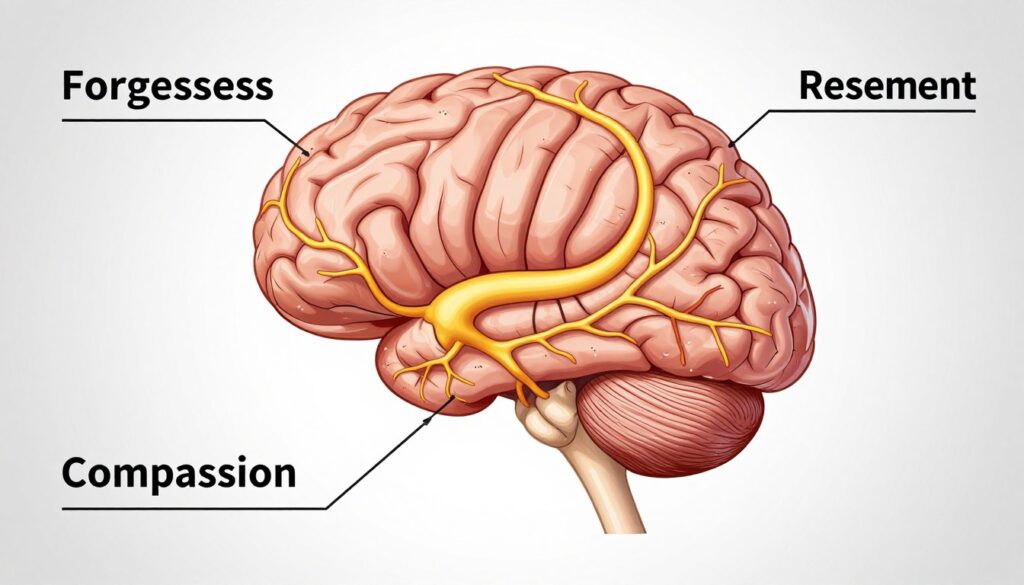
Chronic resentment activates stress response systems designed for immediate threats, not ongoing psychological states. The amygdala, your brain’s threat detection center, becomes hyperactive when you repeatedly rehearse grievances. This creates a state of sustained alert that exhausts your nervous system.
Stress hormones like cortisol flood your system during rumination about past wrongs. While brief cortisol spikes help you respond to danger, chronic elevation damages the hippocampus, which handles memory and learning. It also suppresses prefrontal cortex function, reducing your capacity for rational decision-making and emotional regulation.
Neuroimaging studies show that holding grudges activates brain regions associated with physical pain. Your brain processes social pain using some of the same neural circuitry as physical injury. Ongoing resentment essentially keeps you in a state of chronic pain, even when no current threat exists.
The default mode network, active during rest and mind-wandering, becomes dominated by negative rumination in people carrying significant resentment. Instead of creative daydreaming or pleasant reflection, the resting brain rehearses grievances and imaginary confrontations. This pattern depletes mental resources and contributes to depression.
Neural Pathways of Compassion and Release
Forgiveness practices activate different neural circuits than resentment. Compassion-based meditation increases activity in brain regions associated with empathy and emotion regulation. The anterior cingulate cortex and insula, involved in understanding others’ perspectives, show enhanced function.
The prefrontal cortex, responsible for executive function and emotional control, strengthens through forgiveness practice. This allows you to observe angry thoughts without being controlled by them. You develop capacity to choose responses rather than reacting automatically to triggers.
Oxytocin, often called the bonding hormone, increases during forgiveness work. This neurochemical promotes trust, reduces fear, and enhances feelings of connection. It counteracts the isolation that resentment creates and opens possibilities for relationship repair when appropriate.
Regular forgiveness meditation alters the brain’s set point for compassion and negativity bias. The amygdala becomes less reactive to potential threats. You develop greater capacity to extend benefit of the doubt and interpret ambiguous situations charitably rather than assuming the worst.
Neuroplasticity and Creating New Patterns
The brain’s remarkable plasticity means that neural patterns aren’t fixed. Neurons that fire together wire together, creating stronger connections through repeated activation. Each time you choose forgiveness over resentment, you strengthen neural pathways supporting that choice.
Initial forgiveness decisions require significant effort because you’re working against established neural patterns. The brain has created efficient pathways for resentment through years of practice. New pathways feel awkward and require conscious attention, like learning any new skill.
With consistent practice, forgiveness responses become more automatic. The neural pathways strengthen until choosing release over resentment requires less conscious effort. This doesn’t mean forgiveness becomes effortless, but it does become easier as your brain rewires itself.
The timeline for neural rewiring varies by individual and situation. Research suggests that consistent practice over eight to twelve weeks creates measurable brain changes. However, deeper rewiring of trauma responses or lifelong patterns may require months or years of dedicated practice.
Environmental factors influence neuroplasticity. Adequate sleep, regular exercise, stress management, and proper nutrition all support brain change. Conversely, chronic stress, poor sleep, and unhealthy lifestyle choices impede neuroplastic processes and make transformation more difficult.
The Role of Mirror Neurons in Empathy
Mirror neurons fire both when you perform an action and when you observe someone else performing it. This neural mechanism allows you to understand others’ experiences by internally simulating them. It provides biological basis for empathy and perspective-taking essential to forgiveness.
When working toward forgiveness, deliberately activating mirror neuron systems through perspective-taking exercises can reduce resentment. Imagining the offender’s circumstances, limitations, or pain doesn’t excuse their behavior but creates understanding that softens rigid judgment.
Mirror neurons also explain why resentment can be contagious within groups. When you observe others expressing anger or grievance, your mirror neurons activate similar states in you. This mechanism amplifies collective resentment and makes individual forgiveness more challenging in environments that celebrate victimhood.
Positive social modeling activates mirror neurons toward forgiveness. Witnessing others successfully release resentment and transform through forgiveness provides neural templates. This explains why support groups, mentors, and stories of forgiveness prove so valuable.
Important Considerations for Brain-Based Forgiveness Work
While neuroscience provides valuable insights into forgiveness processes, remember that brain changes require time and consistent practice. Don’t expect overnight transformation or use neuroscience to pressure yourself into premature forgiveness. The brain rewires gradually through patient, compassionate practice over weeks and months.
Forgiveness in the Age of Social Media and Digital Connection
Modern technology creates new dimensions to forgiveness work. Social media platforms change how we experience betrayal, maintain grievances, and attempt reconciliation. Digital connection offers both obstacles and opportunities for healing.
Public Conflicts and Cancel Culture
Social media enables public shaming at unprecedented scales. A single mistake or offensive statement can generate millions of hostile responses within hours. This dynamic complicates forgiveness by making conflicts spectacles rather than private matters between individuals.
Cancel culture reflects genuine desire for accountability but often exceeds proportionate response. The permanence of digital records means people cannot escape past mistakes. Forgiveness becomes difficult when crowds constantly resurface old wrongs and demand ongoing punishment.
For those targeted by online mobs, forgiveness work involves releasing resentment toward countless strangers you’ll never encounter again. Traditional forgiveness models assume relationship between victim and offender. Mass online hostility creates different dynamics requiring adapted approaches.
Participating in online outrage creates its own need for self-forgiveness. You might regret joining a pile-on or sharing inflammatory content. Acknowledging your participation in destructive dynamics, understanding what motivated it, and choosing different behavior going forward represents personal growth.
Digital Reminders and Constant Triggers
Social media keeps people who harmed you visible in ways previous generations never experienced. You see updates about their lives, their happiness, their success. This constant exposure can prevent healing by repeatedly triggering resentment.
Algorithms optimize for engagement, which often means serving content that provokes strong emotional reactions. You might find yourself repeatedly shown posts from someone you’re trying to forgive, reactivating anger each time. This technological interference complicates natural healing processes that benefit from distance and time.
Unfollowing, muting, or blocking people represents legitimate self-care during forgiveness work. You can forgive someone while choosing not to consume information about their life. Digital boundaries support emotional healing without requiring complete disconnection in situations where some contact remains necessary.
Photos and posts create permanent records of events you might want to forget. You cannot eliminate these digital traces completely. Learning to encounter reminders without being emotionally hijacked becomes essential skill. This might mean practicing grounding techniques when triggered or consciously redirecting attention.
Online Support Communities
Digital platforms also provide unprecedented access to support communities. You can connect with others who’ve experienced similar harm regardless of geographic location. This reduces isolation and provides perspective during difficult periods of forgiveness work.
Online forums allow anonymous sharing that some people find easier than face-to-face disclosure. You can explore your experiences and feelings with less fear of judgment. Others’ stories normalize your struggle and demonstrate that healing is possible.
However, online communities can also reinforce victimhood and resentment. Groups organized around shared grievances sometimes become echo chambers that celebrate anger rather than supporting healing. Choose communities carefully, looking for those that balance validation with encouragement toward growth.
Virtual therapy and coaching make professional support more accessible. Video sessions eliminate travel barriers and allow connection with specialists who might not be locally available. This democratizes access to expertise in forgiveness work.

Boundaries in a Hyper-Connected World
Constant connectivity makes establishing boundaries more challenging but also more necessary. You might need to limit social media use during intensive forgiveness work. Reducing exposure to triggers supports healing while you’re building capacity.
Digital boundaries might include specific times when you check platforms rather than constant availability. They might mean disabling notifications from certain apps or people. They might involve sabbaticals from social media altogether during particularly vulnerable periods.
Communicate boundaries clearly when appropriate. If mutual friends post about someone you’re working to forgive, you might request they avoid tagging you in related content. Most people understand and respect reasonable requests for support during healing processes.
Remember that you control your digital environment more than might be apparent. Platforms want your engagement and design accordingly. Conscious choices about what you consume, when you engage, and who you connect with online represents self-care that supports forgiveness work.
Join Our Private Forgiveness Community
Connect with thousands of people on similar healing journeys. Share experiences, ask questions, and receive support in a judgment-free space moderated by licensed therapists. Access exclusive resources, live Q&A sessions, and expert guidance.
Community Benefits:
- 24/7 peer support from people who truly understand
- Weekly live workshops with forgiveness experts
- Private, confidential environment
- Searchable resource library with guides and tools
- Monthly virtual healing circles
- Direct messaging for deeper connections
When Forgiveness Isn’t the Answer: Recognizing Limitations
Forgiveness represents a powerful healing tool, but it isn’t always appropriate or necessary. Certain situations call for different responses. Recognizing these nuances prevents harmful applications of forgiveness concepts.
Situations Requiring Justice Rather Than Forgiveness
Systemic injustice demands accountability and structural change, not just individual forgiveness. When patterns of harm affect entire communities, focusing solely on personal forgiveness can deflect from necessary collective action. Victims of systemic oppression don’t owe forgiveness to perpetrators who refuse to acknowledge or change harmful systems.
Criminal acts often require legal consequences regardless of victims’ forgiveness. Justice systems exist because society cannot function if serious crimes go unpunished. A victim might forgive someone who assaulted them while still supporting prosecution. These aren’t contradictory positions but appropriate responses to different dimensions of wrongdoing.
Ongoing abuse absolutely requires safety measures before forgiveness becomes relevant. You cannot heal from harm that continues. Prioritizing forgiveness over protection in active abuse situations proves dangerous. First ensure safety, then consider whether forgiveness serves your healing.
Some philosophers argue that certain extreme harms exceed forgivability. Genocide, torture, or similar atrocities might fall outside the bounds of what individuals can appropriately forgive. These debates acknowledge that forgiveness isn’t universally applicable or always morally required.
Protecting Yourself While Working on Forgiveness
Forgiveness never requires maintaining unsafe relationships. You can completely release resentment while enforcing absolute boundaries that prevent further contact. No-contact decisions protect your wellbeing and aren’t incompatible with forgiveness.
Legal protections like restraining orders serve legitimate safety needs. Forgiveness work happens internally and doesn’t require informing the person you’re forgiving. You can forgive someone who’s legally prohibited from approaching you. These external structures support internal healing.
Some people need to postpone forgiveness work until they’re in stable, safe circumstances. If you’re still processing trauma, managing crisis, or lacking adequate support, intensive forgiveness work might overwhelm your resources. Timing matters, and self-protection takes precedence.
Therapy provides safe containers for forgiveness work when direct contact with offenders would be harmful. You can process feelings, practice forgiveness meditation, and work through resentment without exposing yourself to people who might retraumatize you. Healing doesn’t require their participation.
Accepting That Some Wounds May Never Fully Heal
Certain experiences leave permanent marks. The death of a child, severe trauma, profound betrayal might always carry some pain. Accepting this reality differs from staying trapped in resentment. You can release the sharpest edges of grief while acknowledging that some sadness may always remain.
Forgiveness doesn’t mean returning to who you were before harm occurred. You cannot unknow what you learned through painful experience. Integration means incorporating difficult experiences into your story without being defined by them. You become someone who survived and grew, not someone unchanged.
Some relationships cannot be repaired regardless of forgiveness. Too much damage occurred, too much trust shattered. Grieving these losses represents important work distinct from forgiveness of the people involved. You can forgive someone while mourning the relationship that can never be restored.
Periodic grief or anger about old wounds doesn’t mean forgiveness failed. Healing isn’t linear, and certain triggers might always evoke some reaction. The goal isn’t complete emotional neutrality but freedom from being controlled by the past. You can acknowledge pain without being consumed by it.

Honoring Anger as Valid Response
Some situations warrant ongoing anger as appropriate response to injustice. Social change often requires sustained outrage about wrongs that continue. The distinction lies between anger as fuel for constructive action versus resentment that only harms the person carrying it.
Anger signals boundary violations and motivates protection. Healthy anger says, “This isn’t acceptable and needs to change.” It provides energy for setting limits, confronting wrongdoing, and demanding accountability. This differs from chronic resentment that replays past events without productive outlet.
Cultural variations in expressing and processing anger affect forgiveness work. Some communities value direct confrontation while others prioritize harmony. Neither approach is universally superior. Effective forgiveness practices honor cultural context rather than imposing single standard.
You can work toward forgiveness while acknowledging that anger sometimes serves important functions. The goal isn’t eliminating all anger but freeing yourself from resentment that no longer serves you. Some anger remains appropriate and even necessary for maintaining boundaries and promoting justice.
Is it possible to forgive someone who never apologizes?
Yes, forgiveness is a unilateral decision you make for your own healing, independent of the offender’s acknowledgment or apology. While apologies can facilitate forgiveness, they aren’t required. You can release resentment and choose emotional freedom regardless of whether the other person ever recognizes their wrongdoing. This type of forgiveness focuses on your internal state rather than external validation.
Does forgiving mean I have to maintain a relationship with the person who hurt me?
No, forgiveness and reconciliation are separate processes. You can completely forgive someone while maintaining firm boundaries or choosing no contact. Forgiveness addresses your internal resentment, while reconciliation requires mutual participation and changed behavior. Some relationships should end even after forgiveness occurs, particularly when trust cannot be rebuilt or the relationship remains unsafe.
How long does the forgiveness process typically take?
There’s no standard timeline for forgiveness. The process varies based on the severity of harm, your support system, personal resilience, and commitment to healing work. Minor offenses might release quickly, while deep betrayals or trauma may require months or years. Forgiveness often unfolds in cycles rather than linear progression, with periods of progress and setback. Trust your own pace rather than comparing to others or forcing artificial timelines.
What if I keep feeling angry even after I’ve decided to forgive?
Recurring anger doesn’t mean forgiveness failed. Forgiveness is an ongoing practice rather than a one-time decision. You may need to repeatedly choose release as memories or triggers resurface. This is completely normal. Each time you consciously choose forgiveness over resentment, you strengthen that neural pathway. Over time, the frequency and intensity of anger typically decrease, though some feelings may occasionally return.
Can I forgive someone while still pursuing legal action or accountability?
Yes, forgiveness and accountability are compatible. You can release personal resentment while still supporting legal consequences or systemic change. Forgiveness addresses your internal emotional state, while accountability serves justice and protects others from harm. Pursuing legal action doesn’t indicate unforgiveness; it represents appropriate response to wrongdoing that may require external consequences beyond personal healing.
How do I know if I’m using forgiveness to avoid dealing with my real feelings?
Premature or surface-level forgiveness often involves bypassing difficult emotions rather than processing them. Signs include: forgiving quickly to avoid feeling pain, pressure from others to “let it go,” maintaining relationships that continue harming you, or repeatedly cycling back to anger about the same situation. Genuine forgiveness follows full acknowledgment of harm and emotional processing. If forgiveness feels forced or doesn’t bring relief, you may need more time to work through your feelings.
The Connection Between Forgiveness and Physical Health
The mind-body connection means that emotional states directly influence physical wellbeing. Research increasingly demonstrates that forgiveness practices produce measurable health benefits while chronic unforgiveness contributes to disease processes.
Cardiovascular Health and Stress Reduction
Chronic resentment keeps your cardiovascular system in heightened alert. Blood pressure remains elevated. Heart rate variability decreases, indicating reduced capacity to handle stress. Over years, this sustained activation damages blood vessels and increases risk of heart disease and stroke.
Studies show that people who practice forgiveness demonstrate lower blood pressure compared to those holding grudges. The effect size proves comparable to medication for mild hypertension in some cases. This suggests forgiveness represents a legitimate intervention for cardiovascular health.
The stress hormone cortisol damages arterial walls when chronically elevated. Rumination about past wrongs triggers cortisol release repeatedly throughout the day. Forgiveness practices reduce this constant activation, allowing cardiovascular repair and reducing inflammation markers associated with heart disease.
Heart rate variability, an important marker of cardiovascular health and stress resilience, improves with forgiveness meditation. Greater variability indicates healthy nervous system flexibility. People who regularly practice forgiveness show enhanced capacity to shift between sympathetic arousal and parasympathetic calm.
Immune Function and Inflammation
Chronic stress from unforgiveness suppresses immune function. Studies measuring antibody response to vaccines show reduced effectiveness in people with high levels of ongoing resentment. Your body cannot fight infection as effectively when psychological stress depletes immune resources.
Inflammatory markers like C-reactive protein increase with chronic negative emotions including resentment. Inflammation underlies numerous disease processes from arthritis to cancer to neurodegenerative disorders. Reducing chronic emotional stress through forgiveness work may lower inflammation and disease risk.
Autoimmune conditions sometimes improve when people address emotional factors including unforgiveness. While forgiveness isn’t a cure for physical illness, the mind-body connection means that emotional healing can influence disease processes. Some patients report reduced symptoms after resolving long-held resentments.
Sleep quality, essential for immune function, deteriorates when the mind cannot release rumination. People carrying significant resentment often experience difficulty falling asleep or staying asleep as their minds rehearse grievances. Forgiveness work that quiets this mental chatter indirectly supports immune health through improved sleep.
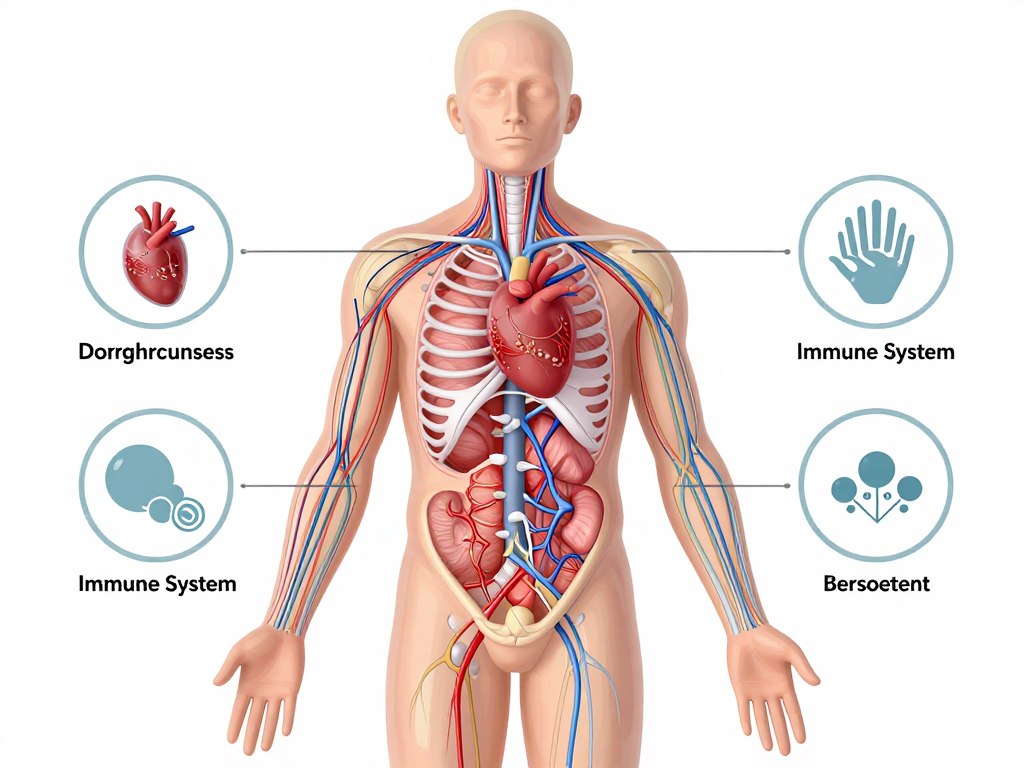
Pain Management and Chronic Conditions
Emotional pain and physical pain share neural circuitry. The brain processes both types of suffering using overlapping systems. This explains why emotional stress intensifies physical pain perception and why addressing psychological factors can reduce pain experience.
Patients with chronic pain conditions often carry significant emotional burdens including resentment about their limitations or the circumstances that caused their condition. Forgiveness work doesn’t eliminate physical pathology but can reduce pain amplification from emotional factors.
Tension-related conditions like headaches, TMJ, and back pain frequently have emotional components. Unprocessed anger manifests as chronic muscle tension. Releasing resentment through forgiveness practices can reduce this muscular holding and associated pain.
The relationship between forgiveness and pain operates bidirectionally. Chronic pain makes forgiveness work more challenging by depleting resources and reducing emotional resilience. Yet addressing unforgiveness despite pain can create positive cycles where reduced emotional distress somewhat alleviates physical suffering.
Longevity and Overall Wellbeing
Longitudinal studies tracking people over decades show correlations between forgiveness capacity and lifespan. Those who more readily forgive tend to live longer, even controlling for other health factors. The mechanisms likely include reduced chronic stress, better cardiovascular health, and stronger social connections.
Quality of life measures consistently show higher scores among people who practice forgiveness compared to those carrying chronic resentment. This encompasses physical health, emotional wellbeing, relationship satisfaction, and sense of meaning. Forgiveness contributes to flourishing across multiple life domains.
The protective effects of forgiveness appear to strengthen with age. Older adults who maintain forgiveness practices show better cognitive function, physical health, and emotional resilience compared to peers holding grudges. The cumulative benefit of decades of choosing release over resentment becomes increasingly apparent.
Healthcare utilization decreases among people with higher forgiveness capacity. They visit doctors less frequently, require fewer medications, and experience fewer hospitalizations. While correlation doesn’t prove causation, the pattern suggests forgiveness supports overall health in ways that reduce medical intervention needs.
Teaching Forgiveness to Children and Younger Generations
Children naturally demonstrate remarkable capacity for forgiveness when given appropriate guidance. Teaching these skills early creates foundation for emotional health and resilient relationships throughout life.
Age-Appropriate Forgiveness Concepts
Young children (ages 3-7) understand forgiveness concretely. They grasp that saying sorry and being kind again repairs friendships. At this stage, focus on simple concepts: everyone makes mistakes, we can choose to be friends again, holding onto mad feelings doesn’t feel good.
School-age children (ages 8-12) develop capacity for more nuanced understanding. They can distinguish between forgiveness and trust, recognize that some hurts require time to heal, and understand that forgiveness doesn’t mean allowing continued harm. Discussions can explore when boundaries are appropriate.
Adolescents (ages 13-18) grapple with complex social dynamics and deep emotional hurts. They benefit from exploring forgiveness in context of identity development, values clarification, and relationship skills. Teens can understand philosophical and spiritual dimensions while applying forgiveness to real challenges.
Meet children where they are developmentally rather than imposing adult concepts prematurely. A five-year-old doesn’t need lengthy explanations about neuroplasticity. They need help identifying their feelings and simple strategies for moving past playground conflicts.
Modeling Forgiveness as a Parent
Children learn more from what you do than what you say. When you practice forgiveness in your own life, you provide powerful modeling. They observe how you handle hurt, process emotions, and choose release over resentment. This lived example teaches more effectively than abstract lessons.
Demonstrate the process of working through forgiveness rather than just the outcome. Let children age-appropriately witness your struggle, your emotional work, and your eventual choice to release resentment. This normalizes forgiveness as practice requiring effort rather than spontaneous feeling.
Apologize to your children when you make mistakes. Model how to take responsibility, express genuine remorse, and make amends. This teaches both sides of forgiveness dynamics and demonstrates that even parents mess up sometimes.
Avoid forcing children to apologize before they’re ready or to forgive before they’ve processed hurt. Coerced apologies teach performance rather than genuine accountability. Pressured forgiveness teaches suppression rather than authentic release. Allow children to work through their feelings at their own pace.
Creating Safe Environments for Emotional Processing
Children need validation that their feelings matter before they can release them. When your child experiences hurt, first acknowledge the pain. “That must have really hurt when your friend said that” validates their experience. Only after this validation can you guide toward forgiveness.
Provide tools appropriate to developmental level. Young children might draw pictures of their anger then tear them up. Older children might write in journals. Teens might benefit from conversations exploring multiple perspectives. Match the method to the child’s age and temperament.
Create family cultures where mistakes are expected and learning is valued over perfection. When children don’t fear harsh judgment, they’re more willing to admit mistakes and work toward repair. This environment supports both giving and receiving forgiveness.
Teach emotional literacy as foundation for forgiveness work. Children who can name and understand their feelings navigate them more effectively. Regular conversations about emotions normalize the full range of human experience including anger, hurt, and the relief that forgiveness brings.

Addressing Bullying and Peer Conflict
Bullying requires different responses than typical peer conflicts. Children experiencing systematic harassment need protection and intervention, not pressure to forgive bullies who continue harmful behavior. Safety comes before forgiveness in these situations.
Once safety is established, forgiveness work can help children release the emotional burden of bullying experiences. This doesn’t mean reconciling with bullies or minimizing harm. It means choosing freedom from ongoing resentment that continues affecting the child long after the bullying stops.
Teach children to distinguish between conflicts requiring apology and repair versus situations where adults need to intervene. Minor disagreements with friends differ from power imbalances and targeted cruelty. Different situations call for different responses.
Help children develop healthy boundaries through forgiveness work. They can forgive peers who excluded them while choosing different friends. They can release anger toward someone who spread rumors while protecting their reputation. Forgiveness and self-protection coexist.
Key Principles for Teaching Forgiveness to Children
- Model forgiveness in your own relationships and conflicts
- Validate children’s feelings before guiding toward release
- Match forgiveness concepts to developmental understanding
- Never force apologies or forgiveness before children are ready
- Teach that forgiveness doesn’t mean allowing continued harm
- Create safe environments where mistakes are learning opportunities
- Provide age-appropriate tools for processing difficult emotions
- Distinguish between normal conflicts and situations requiring adult intervention
- Help children develop boundaries alongside forgiveness practices
- Celebrate growth in emotional skills and conflict resolution
Ready for Personalized Forgiveness Support?
Schedule a free 30-minute consultation with one of our licensed forgiveness coaches. Receive expert guidance tailored to your unique situation, personalized strategies, and a clear roadmap for your healing journey. No pressure, no obligation—just compassionate support from professionals who understand.
What to Expect in Your Consultation:
- Confidential discussion of your specific situation
- Assessment of current forgiveness stage
- Identification of primary obstacles
- Personalized recommendations and resources
- Exploration of therapy or coaching options
- No-pressure environment and judgment-free space
Prefer to talk now?
Available Mon-Fri, 9am-8pm EST
Integrating Forgiveness Into Daily Life and Relationships
Forgiveness transforms from abstract concept to lived reality through consistent daily practice. Integration means bringing forgiveness consciousness to ordinary moments, conflicts, and interactions that comprise everyday existence.
Creating a Forgiveness-Oriented Lifestyle
A forgiveness-oriented lifestyle involves approaching life with assumption that people generally do their best with limited awareness and resources. This doesn’t mean naive trust but rather interpretative charity. When someone cuts you off in traffic, you might imagine they’re rushing to an emergency rather than assuming malicious intent.
Practice immediate micro-forgiveness for daily minor offenses. When a cashier seems rude, release it rather than rehearsing the interaction all day. When a coworker takes credit unfairly in a meeting, address it appropriately then let go of resentment. These small releases prevent accumulation of grudges.
Regular reflection creates space for identifying emerging resentments before they calcify. Daily or weekly check-ins ask: “What am I holding onto that I could release? What small hurts am I carrying unnecessarily?” This prevents the buildup of unprocessed grievances.
Gratitude practices complement forgiveness work. Actively appreciating what’s going well shifts attention from grievances to blessings. This doesn’t deny problems but prevents resentment from dominating your perspective. Balance acknowledging difficulties with recognizing gifts.
Maintaining Boundaries While Practicing Forgiveness
Forgiveness and boundaries aren’t opposites but complementary practices. You can forgive someone completely while refusing further contact. You can release resentment while maintaining strict limits on acceptable behavior. Healthy boundaries protect you while forgiveness frees you.
Communicate boundaries clearly and enforce them consistently. If someone repeatedly violates your stated limits, natural consequences might include reduced access to you. This isn’t punishment or unforgiveness but appropriate self-protection. Forgiveness doesn’t require tolerating mistreatment.
Some relationships require distance even after forgiveness. You might forgive family members while limiting visits to specific contexts where you feel safe. You might forgive former friends while choosing not to rebuild close connection. Distance protects your wellbeing without requiring ongoing resentment.
Forgiveness also means releasing yourself from responsibility for others’ reactions to your boundaries. They might become angry when you enforce limits. You can forgive their anger while maintaining your boundaries. Their discomfort with your self-protection doesn’t obligate you to abandon necessary limits.
Forgiveness as Ongoing Practice
View forgiveness as skill that strengthens with practice rather than one-time achievement. Each situation where you choose release over resentment builds capacity for the next. Like physical exercise, consistent practice produces greater results than sporadic intense effort.
Expect setbacks as normal part of the process. You might forgive someone then find yourself angry again when triggered. This doesn’t mean failure but reflects the nonlinear nature of healing. Each time you return to forgiveness choice, you deepen the practice.
Create accountability structures supporting ongoing practice. This might include therapy, support groups, or friends who share commitment to forgiveness work. Regular check-ins with others help maintain focus when motivation wanes.
Celebrate progress without requiring perfection. Notice when you respond to triggers with less reactivity. Acknowledge when you release resentments more quickly. Recognize growth in your capacity for compassion. These incremental improvements accumulate into significant transformation over time.

Building Forgiveness into Relationships
Establish relationship cultures that normalize mistakes and facilitate repair. When you and your partner, family members, or close friends explicitly agree that imperfection is expected, forgiveness becomes easier. You create shared understanding that people will mess up and relationships can survive errors.
Practice repair rituals with regular partners. When conflicts occur, have established processes for acknowledgment, apology, and reconnection. These rituals reduce the energy required for each instance of forgiveness by providing familiar pathways.
Discuss forgiveness philosophies with intimate partners before conflicts arise. What does forgiveness mean to each of you? What do you need to forgive and move forward? Creating shared understanding during calm moments facilitates forgiveness during stormy ones.
Teach forgiveness to children through family practices. Hold family meetings where conflicts get addressed and resolved. Model appropriate apology and forgiveness. Create home environments where mistakes become learning opportunities rather than sources of shame.
Daily Forgiveness Practices
- Morning intention setting for forgiveness consciousness
- Immediate release of minor daily offenses
- Evening reflection on resentments you can release
- Gratitude practice balancing acknowledgment of challenges
- Loving-kindness meditation including difficult people
- Regular check-ins identifying emerging grievances
Relationship Forgiveness Practices
- Established repair rituals with intimate partners
- Family meetings for conflict resolution
- Clear communication of boundaries and needs
- Shared agreements about handling mistakes
- Regular appreciation expressions alongside addressing problems
- Teaching children healthy conflict and repair skills
The Deep Inner Transformation That Forgiveness Enables
Beyond releasing specific grievances, sustained forgiveness practice catalyzes fundamental shifts in identity, perspective, and way of being. This transformation extends far beyond the original hurts that initiated the journey.
Shift from Ego to Essence
Ego organizes itself around stories of who you are, what happened to you, and how you differ from others. It clings to identity constructed from experiences, achievements, and wounds. Forgiveness work gradually loosens this grip by revealing that you are more than your history.
When you release defining yourself through your wounds, space opens for deeper self-knowledge. You discover essential qualities beneath the accumulated stories. Perhaps you’re fundamentally resilient, creative, or compassionate. These core aspects existed before your wounds and persist after healing.
The practice of extending compassion to those who harmed you reveals shared humanity. You recognize that everyone suffers, everyone makes mistakes, everyone struggles with limited awareness and resources. This understanding dissolves rigid boundaries between self and other, victim and perpetrator.
From this expanded perspective, forgiveness isn’t something you do for others but an expression of your true nature. Compassion flows naturally when you’re not trapped in defensive ego structures. This represents shift from forgiveness as duty to forgiveness as authentic expression of who you are.
Developing Emotional Mastery
Forgiveness work develops remarkable capacity for emotional regulation. You learn to feel intense emotions without being controlled by them. You discover that you can acknowledge anger while choosing not to act from it. This mastery creates freedom unavailable to those ruled by reactive patterns.
The skill of staying present with difficulty without immediately trying to escape or fix it strengthens through forgiveness practice. You build tolerance for the discomfort of unresolved situations. You develop faith that you can navigate challenges without having all answers immediately.
Emotional resilience increases as you repeatedly survive feelings you feared would destroy you. Each time you feel grief fully and emerge intact, you gain confidence. Each time you release resentment and discover peace on the other side, you trust the process more deeply.
This mastery extends beyond forgiveness situations into all areas of life. Relationships improve because you respond thoughtfully rather than react defensively. Work challenges become more manageable because you don’t spiral into catastrophic thinking. Life’s inevitable difficulties feel less overwhelming because you’ve proven to yourself that you can handle hard things.
Discovering Meaning and Purpose
Many people discover that their greatest wounds become sources of meaning and contribution. Someone who survived abuse might dedicate themselves to helping other survivors. A person who navigated betrayal might develop unusual capacity for spotting authentic character in others.
This transformation doesn’t justify the original harm. What shouldn’t have happened still shouldn’t have happened. Yet humans possess remarkable capacity to metabolize even terrible experiences into wisdom and compassion. This alchemy represents triumph of human spirit over circumstances.
Forgiveness work often reveals calling or purpose. When you’re no longer consumed by resentment, energy becomes available for asking deeper questions. What matters most to you? How do you want to contribute? What legacy do you want to create? These questions lead toward purposeful living.
The journey itself teaches valuable lessons. You learn about resilience, courage, vulnerability, and authentic strength. You discover capacities you didn’t know you possessed. You develop faith in your ability to heal and transform. These lessons apply far beyond the specific forgiveness situation.

Living from Wholeness Rather Than Wounds
The ultimate transformation involves shift from organizing life around wounds to living from inherent wholeness. You stop identifying primarily as survivor of harm and claim fuller identity including all your dimensions. You’re someone who experienced difficulty and also someone who loves, creates, contributes, and enjoys life.
This doesn’t mean denying past harm or pretending it didn’t shape you. Integration acknowledges all your experiences while refusing to be limited by any single one. You carry wisdom gained through difficulty without being imprisoned by it.
From wholeness, you engage life with openness rather than defensiveness. You can be vulnerable because you know you’ll survive even if hurt again. You can trust because you’ve proven you can recover from betrayal. You can love fully because you’re no longer protecting against loss.
This quality of presence attracts meaningful relationships and opportunities. People sense your authenticity and emotional availability. Life responds to your openness with possibilities unavailable to those hiding behind protective walls. The transformation completes when you recognize that forgiveness freed you to fully live.
“The practice of forgiveness is our most important contribution to the healing of the world. When we forgive, we are not just healing ourselves, we are healing the world.”
Conclusion: Forgiveness as a Lifelong Journey
The path of forgiveness has no final destination. It represents an ongoing practice of choosing release over resentment, compassion over condemnation, freedom over fixation. This journey shapes you more profoundly than any single act of forgiveness ever could.
You’ve explored forgiveness from multiple angles throughout this guide. You’ve examined its psychological mechanisms and neurological basis. You’ve learned practical techniques and navigated common obstacles. You’ve discovered how forgiveness transforms not just isolated relationships but your fundamental way of being in the world.
The knowledge matters less than the practice. Reading about forgiveness differs entirely from the difficult work of actually releasing resentment toward someone who genuinely harmed you. The concepts provide maps, but you must walk the territory yourself.
Begin where you are with whatever capacity you currently possess. Perhaps you’re ready to forgive minor annoyances but not yet prepared to address deep wounds. Honor your pace. Perhaps you can forgive others more easily than yourself. Start there and trust that self-forgiveness will come when you’re ready.
Remember that forgiveness serves your freedom, not others’ comfort. You undertake this work to liberate yourself from the prison of resentment. Whether anyone else notices or appreciates your forgiveness matters far less than the peace you create within yourself.
The journey requires courage, honesty, and patience. You’ll face resistance from ego that wants to cling to righteousness. You’ll encounter fear that forgiveness makes you vulnerable. You’ll experience grief as you release familiar patterns even when they no longer serve you.
These challenges confirm you’re doing real work rather than spiritual bypassing. Genuine transformation feels uncomfortable. Growth requires releasing who you’ve been to become who you’re meant to be. Trust the process even when it feels impossible.
You don’t walk this path alone. Millions of humans throughout history have navigated the journey from resentment to release. Their collective wisdom supports you. Contemporary science validates what wisdom traditions taught for millennia. Community and professional support stand ready to assist when needed.
The fruit of forgiveness work extends beyond your individual healing. As you transform, you affect everyone you encounter. You model different possibilities for handling hurt. You break cycles that might otherwise continue for generations. You contribute to healing that ripples outward in ways you may never fully see.
Your willingness to forgive represents profound act of faith. Faith that healing is possible. Faith that you deserve freedom from ongoing resentment. Faith that life holds more for you than perpetual grievance about past wrongs.
This faith need not be religious, though it can be. It simply requires trusting that opening your clenched fist to release what you’ve been holding serves you better than maintaining your grip. Every time you choose this release, you prove the faith warranted.
The transformation awaiting you exceeds what you can currently imagine. You cannot fully envision who you’ll become through this work until you’ve walked the path. Trust that the journey itself reveals possibilities invisible from your starting point.
May you find the courage to acknowledge your hurts honestly. May you discover the strength to feel your feelings fully. May you experience the freedom that forgiveness brings. May you live from wholeness rather than wounds.
Your journey of forgiveness, emotional release, and deep inner transformation begins now. Take the next step, however small it might be. Each step forward moves you toward the freedom that is your birthright.