

Do you feel like you are carrying an invisible backpack filled with old worries and heavy emotions? Many of us walk through life holding onto experiences that no longer serve our highest good. It is time to finally find a way to lighten that load and rediscover your inner light.
Sound healing offers a gentle, non-invasive path to Heal Your Sacred Energy. By using specific frequencies, this practice helps you quiet the mind and soothe the nervous system. It creates a safe space where you can begin to Release the Past with grace and ease.
This journey is about more than just relaxation; it is about reclaiming your personal power. When you restore balance to your mind and body, you open the door to a more vibrant life. You deserve to feel supported as you navigate this beautiful transformation toward lasting peace.
Key Takeaways
- Sound healing provides a gentle method to process long-held emotional burdens.
- The practice helps restore natural balance to both the mind and the body.
- Participants can effectively let go of heavy experiences in a safe environment.
- Reclaiming personal power is a central benefit of this transformative modality.
- Consistent sessions foster a deeper sense of inner peace and emotional clarity.
Understanding the Burden of Emotional Baggage
Your body keeps a precise record of every emotion you have ever suppressed. When we avoid processing difficult feelings, they do not simply disappear into thin air. Instead, they linger, creating a heavy internal weight that influences our daily lives. Prioritizing emotional baggage release is essential for anyone looking to reclaim their vitality and mental clarity.
How Unresolved Emotions Manifest in the Body
The physical body often acts as a storage unit for the stress we refuse to acknowledge. You might notice chronic tension in your shoulders, unexplained digestive issues, or a persistent sense of fatigue that sleep cannot fix. These are not just random ailments; they are often the body’s way of signaling that something is stuck.
When we hold onto past pain, our nervous system remains in a state of high alert. This constant state of readiness leads to muscle tightness and restricted breathing patterns. Over time, this physical strain can become your new normal, making emotional baggage release a vital component of your physical health journey.
The Psychological Impact of Holding onto the Past
Beyond the physical toll, carrying old wounds creates repetitive mental patterns that keep us trapped. You may find yourself reacting to current situations with outdated emotions, effectively living in a loop of past distress. This cycle prevents you from experiencing the present moment with genuine openness and peace.
Recognizing these patterns is the first step toward breaking free from the weight of your history. By choosing to address these suppressed feelings, you create space for new, healthier experiences to take root. Emotional baggage release is not just about letting go; it is about reclaiming your power and building a foundation for long-term emotional resilience.
Heal Your Sacred Energy & Release the Past
Your body holds a map of your history that words alone cannot fully express. When you carry heavy memories, they often settle deep within your physical form, creating blockages that prevent you from feeling truly light. To Heal Your Sacred Energy & Release the Past, you must look beyond the surface of your daily thoughts.
Defining Sacred Energy and Its Role in Well-being
Sacred energy refers to the vital life force that flows through your being, connecting your mind, body, and spirit. When this flow is clear, you feel vibrant, present, and capable of navigating life with ease. However, trauma and stress can create stagnant pockets of energy that dim your inner light.
Restoring this balance is essential for long-term emotional health. By focusing on your energetic state, you move from simply surviving to truly thriving. This process allows you to reclaim parts of yourself that were lost to past experiences.
“The body is the vessel of the soul, and when we heal the vessel, the spirit finds its freedom.”
Why Traditional Talk Therapy Sometimes Needs a Somatic Partner
Traditional talk therapy is a powerful tool for cognitive understanding, yet it often stops at the neck. Many people find that while they understand their patterns, they still feel physically stuck in old reactions. This is where somatic healing techniques become a vital partner in your journey.
These methods focus on the physical sensations stored in your nervous system. By integrating somatic healing techniques, you bridge the gap between your mental insights and your physical reality. This holistic approach ensures that you do not just talk about change, but actually feel it in your bones.
When you combine cognitive awareness with physical release, you create a complete path to wellness. It is time to honor your body as a partner in your growth. As you Heal Your Sacred Energy & Release the Past, you open the door to a more authentic and peaceful life.
The Science Behind Sound Healing
The effectiveness of sound healing lies in the complex interaction between acoustic vibrations and our biological systems. By utilizing specific frequencies, this practice acts as a bridge between physical sensation and mental clarity. It provides a reliable pathway for nervous system regulation, helping the body move away from chronic stress.
How Sound Frequencies Influence Brainwave States
Our brains operate on different electrical frequencies depending on our level of alertness. When we are stressed, we often get stuck in high-frequency beta waves, which keep us in a state of constant “fight or flight.” Sound healing benefits include the ability to gently guide the brain into more restorative states.
Through the use of rhythmic pulses and harmonic tones, sound therapy encourages the brain to shift into slower, more relaxed patterns. These shifts typically follow this progression:
- Alpha waves: Associated with light relaxation and calm focus.
- Theta waves: Linked to deep meditation, creativity, and emotional processing.
- Delta waves: Connected to restorative sleep and physical healing.
The Vagus Nerve and the Power of Vibrational Therapy
The vagus nerve is the primary component of the parasympathetic nervous system, acting as the body’s internal “brake pedal.” Vibrational therapy works by stimulating this nerve, which helps to lower heart rate and reduce blood pressure. This process is a cornerstone of effective vagus nerve stimulation.
When sound waves resonate through the body, they create a physical sensation that signals safety to the brain. This physical feedback loop is essential for anyone seeking to move out of survival mode. By calming the nervous system, we create the internal space necessary for true emotional release and long-term healing.
Common Instruments Used in Transformative Sound Baths
The magic of a sound bath experience often comes down to the specific instruments chosen by the practitioner. These tools are carefully selected to guide your brain into a state of deep, restorative rest. By understanding how these instruments function, you can better appreciate the layers of sound washing over you during a session.
The Resonant Power of Himalayan Singing Bowls
Himalayan singing bowls have been used for centuries to promote healing and meditation. These metal bowls produce a rich, complex tone that resonates deeply within the body. When struck or played with a mallet, they create multi-tonal vibrations that help to quiet a busy mind.
Many people find that the grounding nature of these bowls helps them feel more present. The steady, pulsing rhythm acts as an anchor, allowing you to release tension held in the physical form. Their ability to sustain sound for long periods makes them a staple in any effective sound therapy practice.
Crystal Bowls and Their Specific Frequency Benefits
Unlike metal bowls, crystal bowls are crafted from pure quartz. These instruments are known for their clear, piercing tones that can reach high levels of resonance. Practitioners often choose them for their ability to target specific energy centers in the body.
The crystal bowl frequencies are highly precise and consistent. Because of their purity, they are excellent for clearing mental fog and promoting a sense of clarity. Many participants report feeling a lightness of spirit after listening to these high-vibration instruments.
Gongs and the Experience of Sonic Immersion
Gongs provide a unique form of sonic immersion that is difficult to replicate with other tools. They produce a vast spectrum of frequencies that seem to envelop the entire room. This powerful wall of sound can help break through deep-seated emotional blocks.
During a session, the gong’s vibrations may feel intense, yet they are deeply transformative. It is common to feel as though you are floating in a sea of sound. This total immersion allows for a profound shift in perspective and deep relaxation.
| Instrument Type | Primary Effect | Best For |
|---|---|---|
| Himalayan Bowls | Grounding & Stability | Deep physical relaxation |
| Crystal Bowls | Clarity & Focus | Energy alignment |
| Gongs | Total Immersion | Releasing deep tension |
Preparing for Your First Sound Healing Session
Your journey toward inner peace begins long before the first gong sounds, starting with how you prepare for the session. Taking a few moments to ready your mind and environment can significantly amplify the benefits of the experience. By setting intentions for healing, you provide a clear roadmap for the vibrations to follow as they work through your body.
Setting Intentions for Emotional Release
Before you begin, take a quiet moment to reflect on what you hope to release or cultivate. Clarity is key when you are setting intentions for healing, as it helps anchor your focus during the session. You might choose to write your intention down in a journal or simply hold it in your heart as you settle into a comfortable position.
Whether you are looking to let go of past stress or invite more calm into your life, your intention acts as a compass. It allows your subconscious to align with the sound frequencies, making the process of emotional release feel more purposeful. Remember that your intention does not need to be complex; a simple, heartfelt desire is often the most effective.
Creating a Comfortable Space for Virtual or In-Person Sessions
Physical comfort is essential for allowing your nervous system to fully relax and receive the sound. If you are attending a session in person, wear loose, comfortable clothing and bring a blanket or pillow if the studio allows. For those participating in a virtual session, your home environment becomes your sanctuary.
Ensure your space is free from distractions by silencing your phone and notifying others that you need quiet time. Dimming the lights or using a soft eye mask can also help you turn your attention inward. The following table outlines how to optimize your environment for the best possible experience.
| Preparation Aspect | In-Person Session | Virtual Session |
|---|---|---|
| Environment | Studio/Quiet Room | Private Home Space |
| Comfort Items | Yoga Mat/Blanket | Pillows/Weighted Blanket |
| Distractions | Turn off mobile devices | Close doors and mute notifications |
| Focus | Follow the practitioner | Use high-quality headphones |
By taking these simple steps, you create a container for deep transformation. Whether you are in a studio or your living room, setting intentions for healing ensures you are fully present and open to the process. You are now ready to embark on your sound journey with confidence and ease.
What to Expect During a Sound Healing Journey
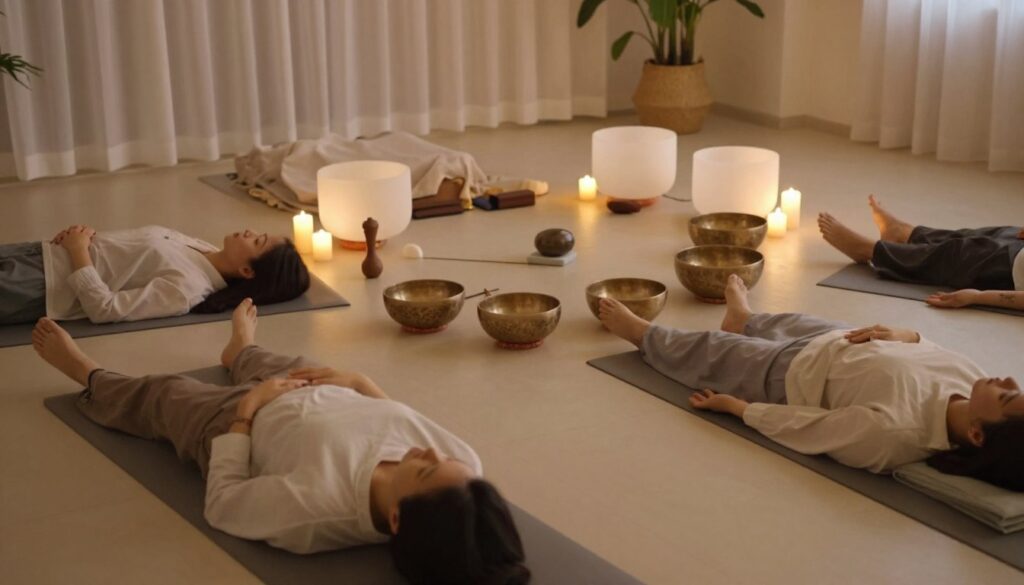
Stepping into a sound bath experience is like embarking on a voyage into the depths of your own consciousness. As the vibrations begin to fill the room, you may notice your mind shifting from a state of busy chatter to one of quiet observation. This transition is a natural part of the process, allowing you to settle into a deeper layer of awareness.
Navigating the Physical Sensations of Sound
During your session, your body might react in ways that feel both surprising and deeply restorative. Many participants report a variety of physical shifts as the frequencies interact with their nervous system. These sensations are simply signs that your body is releasing stored tension and moving toward a state of balance.
Common physical experiences during a sound bath experience include:
- A gentle tingling sensation in the hands or feet.
- Waves of warmth spreading through the limbs.
- A feeling of weightlessness or deep, heavy relaxation.
- Twitching or subtle movements as muscles let go of chronic tightness.
Managing Emotional Breakthroughs During the Process
It is quite common for emotions to surface when the body finally feels safe enough to let go. You might find yourself feeling sudden waves of joy, sadness, or even a sense of profound relief. These emotional breakthroughs are not signs of distress, but rather indicators that you are successfully processing long-held energy.
If you feel overwhelmed, remember to focus on your breath and stay present with the sound. You are in a supportive environment designed for your well-being. Allow these feelings to pass through you like clouds in the sky, knowing that each release brings you closer to a more peaceful state of mind. Embracing your sound bath experience with curiosity and self-compassion will help you navigate these moments with grace.
The Role of Breathwork in Amplifying Sound Healing
Breath is the bridge that connects your physical body to the transformative power of sound. When you consciously regulate your breathing, you create a receptive state that allows healing frequencies to penetrate deeper into your system. This combination acts as a catalyst for profound personal change.
Synchronizing Breath with Vibrational Frequencies
By matching your inhale and exhale to the rhythm of the sound, you anchor yourself firmly in the present moment. This practice of vibrational therapy helps quiet the busy mind and reduces the chatter of daily stress. As you align your breath with the tones, your nervous system begins to shift from a state of high alert to one of deep relaxation.
Focusing on the flow of air helps you track the movement of sound through your body. You might notice the vibrations resonating in your chest or abdomen as you breathe slowly. This intentional synchronization ensures that you remain fully engaged with the healing process throughout the entire session.
Techniques to Deepen the Release of Stored Tension
To facilitate a more significant energetic shift, you can utilize specific somatic healing techniques that target physical tightness. One effective method is the “sighing breath,” where you inhale deeply through your nose and release a long, audible sigh through your mouth. This simple action signals to your body that it is safe to let go of held stress.
Another powerful approach involves rhythmic belly breathing, which encourages the diaphragm to relax completely. By softening the abdominal muscles, you allow the sound waves to penetrate areas where you typically store emotional weight. These targeted breathing practices work in harmony with sound to unlock deep-seated patterns that have been trapped in your tissues for years.
Integrating Sound Healing into Your Daily Routine
Consistency is the secret ingredient to lasting emotional balance and inner peace. By weaving sound therapy into your everyday life, you create a reliable anchor for your mental health. You do not need to dedicate hours to see results; even small, intentional moments can shift your perspective.
Using Binaural Beats for Consistent Emotional Regulation
One of the most effective ways to maintain nervous system regulation is through the use of auditory entrainment. Binaural beats for anxiety offer a simple, passive way to guide your brain into a state of calm. By listening to these specific frequencies through headphones, you can encourage your mind to move away from stress and toward relaxation.
These tracks are perfect for moments when you feel overwhelmed by your to-do list. You can play them in the background while working or during your commute to keep your internal state steady. Consistent use helps train your brain to return to a baseline of peace more quickly after a stressful event.
Short Sound Practices for Busy Schedules
If your calendar is packed, you can still benefit from the power of sound. You do not need a full studio to practice; you only need a few minutes of quiet. Here are some simple ways to integrate these habits into your day:
- Morning Humming: Spend three minutes humming at a low pitch to stimulate the vagus nerve and promote nervous system regulation before you start your day.
- Mindful Listening: Use a single singing bowl or a high-quality recording of binaural beats for anxiety during your lunch break to reset your focus.
- Evening Toning: Before bed, practice deep, resonant vocal toning to release the tension accumulated throughout the day.
These micro-practices act as essential resets for your body and mind. By choosing one or two of these techniques, you build a sustainable habit that supports your long-term well-being. Remember, the goal is progress, not perfection, so start small and stay consistent.
Overcoming Resistance to Letting Go
Releasing long-held emotional baggage is a brave act, yet it frequently triggers a protective response. Many people find that the path to healing is not a straight line but a series of ebbs and flows. Understanding this resistance is the first step toward a successful emotional baggage release.

Identifying the Fear of Releasing Familiar Pain
You might wonder why your mind clings so tightly to pain that no longer serves a purpose. Often, this discomfort feels like a familiar companion that has kept you safe from the unknown. Letting go of this weight can feel like losing a part of your identity, which creates a natural sense of hesitation.
This fear is simply a protective mechanism designed to keep you in your comfort zone. By recognizing that your resistance is just an attempt to stay safe, you can begin to soften your grip on the past. Acknowledging this fear without judgment allows you to move forward with greater ease.
“The privilege of a lifetime is to become who you truly are.”
Cultivating Self-Compassion During the Healing Process
Self-compassion acts as the primary tool for navigating the challenges of emotional baggage release. When you treat yourself with the same kindness you would offer a dear friend, the process becomes much less daunting. It is essential to remember that healing is a practice, not a destination.
By practicing non-judgmental awareness, you create a safe space for your emotions to surface and dissipate. This gentle approach helps you maintain commitment to your healing path even when things feel difficult. Consistency in your self-care routine will eventually replace old patterns with new, healthier habits.
| Aspect | Resistance State | Acceptance State |
|---|---|---|
| Mindset | Fear-based | Growth-oriented |
| Body Response | Tension | Relaxation |
| Emotional Goal | Holding on | Letting go |
| Self-View | Critical | Compassionate |
Ultimately, your journey toward emotional baggage release is a testament to your inner strength. Embrace the process, honor your pace, and trust that you are capable of profound transformation.
The Long-Term Benefits of Regular Sound Therapy
When you make sound healing a consistent part of your life, the cumulative effects begin to reshape your internal landscape. Many people start this journey to find immediate relief, but the true sound healing benefits emerge when you commit to a regular practice. This dedication allows your body to learn how to return to a state of calm more quickly.
Shifting from Survival Mode to Thriving
Living in a constant state of stress keeps your nervous system trapped in survival mode. You might feel like you are always waiting for the next challenge to arise. Consistent sound therapy acts as a gentle signal to your brain that it is finally safe to relax.
Over time, this practice helps you move away from reactive patterns. You will likely notice that you spend less time feeling overwhelmed and more time thriving in your daily life. This shift is not just a temporary feeling; it is a fundamental change in how your body processes stress.
Building Emotional Resilience Through Consistent Practice
Life will always present us with unexpected hurdles and difficult moments. However, emotional resilience building through sound therapy provides you with a stronger foundation to handle these events. By regularly clearing out stored tension, you create more space for clarity and peace.
When you maintain a steady routine, you become better at navigating future challenges with a sense of groundedness. You are essentially training your mind and body to remain steady, even when the world around you feels chaotic. Embracing this path ensures that your emotional health remains a priority, leading to a much higher quality of life in the long run.
Finding the Right Sound Healing Practitioner
Selecting the right guide for your sound healing journey is a deeply personal decision. Because this process involves vulnerability and emotional release, you deserve to work with someone who makes you feel completely safe and supported. Finding a qualified sound therapy practitioner is the first step toward ensuring your experience is both effective and restorative.
What to Look for in a Certified Sound Therapist
When you begin your search, look for professionals who have completed comprehensive training programs. A reputable sound therapy practitioner should be able to discuss their educational background, including specific certifications in sound healing or music therapy. These credentials often indicate that the practitioner understands the science of frequencies and how to apply them safely.
Beyond formal education, consider their experience level with specific instruments like Himalayan bowls or gongs. Ask potential guides how they tailor their sessions to meet individual needs. A skilled professional will prioritize your comfort and be able to explain their methodology clearly before you even begin.
Evaluating Credentials and Personal Resonance
While certifications provide a baseline of knowledge, personal resonance is equally important. You might find a practitioner with impressive credentials, but if you do not feel a sense of ease in their presence, the healing process may be hindered. Trust your intuition when you first speak with them or visit their space.
Pay attention to how they communicate and whether they listen to your specific intentions. A great sound therapy practitioner will create a welcoming environment where you feel heard and respected. When your goals align with their approach, you are much more likely to engage fully and achieve the emotional breakthrough you seek.
Conclusion
Your journey toward emotional freedom begins with a single intentional step. By choosing to release heavy burdens, you open space for genuine growth and clarity.
Sound healing serves as a powerful anchor within your broader commitment to holistic wellness practices. It bridges the gap between physical tension and mental stillness. You deserve the relief that comes from consistent, mindful self-care.
Patience remains your greatest ally as you navigate this transformation. Treat yourself with kindness during moments of breakthrough or quiet reflection. Small, daily habits build the resilience needed to thrive in a busy world.
Brands like Crystal Tones or Meinl Sonic Energy offer tools that support your unique process. Use these resources to deepen your connection to your inner self. You possess the strength to let go of the past and step into a lighter, more vibrant future.
Make your well-being a priority starting today. Your dedication to holistic wellness practices will create ripples of peace that touch every part of your life. Keep listening to the rhythm of your own healing heart.
FAQ
What exactly is sound healing and how can it help me release emotional burdens?
Sound healing is a gentle yet profound modality that uses vibrational therapy to help you let go of the weight you’ve been carrying. By using specific frequencies, this practice helps release suppressed emotions and physical tension that often manifest as chronic fatigue or unexplained aches. It’s about reclaiming your personal power and restoring a sense of inner peace by clearing the emotional baggage stored within your body.
How does the science of sound frequencies actually affect my brain?
The science behind sound healing is fascinating! Specific frequencies influence your brainwave states, shifting your mind from high-stress beta waves into deeply restorative alpha or theta states. This process engages the vagus nerve, a key player in nervous system regulation, which signals your body to move out of survival mode and into a state of deep healing and relaxation.
Why should I consider a somatic partner like sound healing if I’m already in talk therapy?
While traditional talk therapy is excellent for cognitive understanding, it sometimes needs a somatic partner to address stored memories held in the physical tissues. Sound healing bridges the gap between your mental state and your sacred energy, allowing for a holistic approach that facilitates a deeper intentional release of trauma that words alone might not reach.
What kind of instruments will I encounter during a professional sound bath?
In a professional session, you’ll often hear the resonant power of Himalayan singing bowls and the high-frequency clarity of crystal bowls. Many practitioners also use Paiste gongs or Meinl Sonic Energy tools to create a total sonic immersion. These instruments are carefully chosen for their ability to create a powerful environment for emotional breakthroughs and deep relaxation.
Is it normal to feel resistance or fear when starting this journey?
Absolutely. It is very common to experience resistance when you begin identifying the fear of releasing familiar pain. We often hold onto old patterns as a protective mechanism. The key is to cultivate self-compassion throughout the process. Recognizing these feelings without judgment allows you to move through the healing process with more ease and commitment.
How can I integrate sound healing into my busy daily routine?
You don’t need a full hour every day to see results! You can use tools like binaural beats on platforms such as Insight Timer or Calm for consistent emotional regulation. Even short sound practices, like five minutes of synchronizing breath with a tuning fork or a recorded singing bowl, can help you maintain emotional resilience and manage anxiety in the heat of the moment.
What physical sensations should I expect during a session?
Every journey is unique, but many people report feeling physical sensations such as tingling, warmth, or a sense of weightlessness. These are signs that your body is responding to the frequencies and that stored tension is beginning to dissipate. Navigating these sensations with an open mind helps you stay grounded as you move toward thriving in your daily life.
What should I look for when choosing a certified sound therapist?
When looking for a certified sound therapist, it’s important to evaluate their credentials and training background. However, personal resonance is just as vital. You should feel a sense of safety and trust with your practitioner. Whether you are attending virtual sessions or an in-person experience, ensure their approach aligns with your specific goals for emotional release and well-being.