

Healthcare organizations face mounting pressure. Rising operational costs squeeze margins. Staff shortages strain resources. Patient expectations continue climbing. These challenges demand innovative solutions.
Automated health systems offer a path forward. By streamlining repetitive tasks and optimizing workflows, automation helps healthcare providers do more with less. Organizations that embrace these technologies gain significant competitive advantages.
This guide explores practical strategies for implementing automation across health operations. You’ll discover proven approaches that reduce costs, improve service delivery, and position your organization for sustainable growth.
Understanding Automated Health Systems
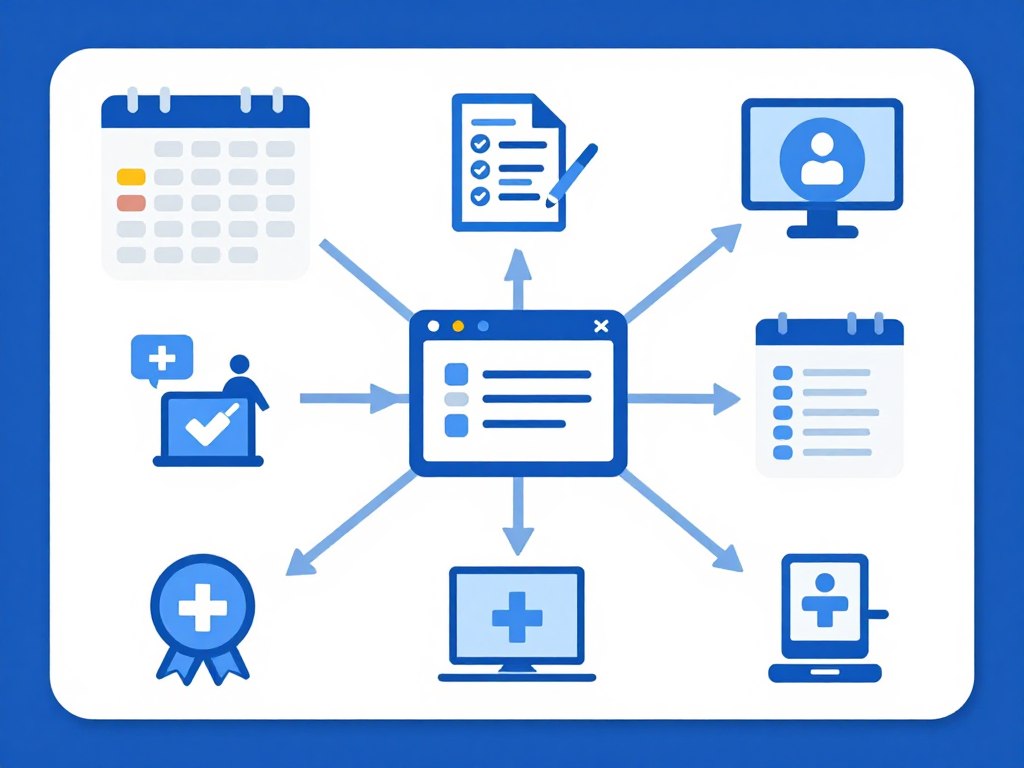
Automated health systems transform how medical facilities operate. These technologies handle routine tasks without human intervention. The systems range from simple scheduling tools to complex patient management platforms.
Modern automated health solutions integrate multiple functions. They connect scheduling, billing, records management, and patient communication. This integration creates seamless workflows that improve both efficiency and accuracy.
Core Components of Health Automation
Patient Scheduling
Automated systems manage appointment bookings, send reminders, and optimize provider schedules. These tools reduce no-shows and maximize resource utilization.
- Online booking portals for 24/7 access
- Automated reminder messages via text and email
- Smart scheduling that considers provider availability
- Waitlist management for cancelled appointments
Billing and Revenue Cycle
Financial automation streamlines claims processing, payment collection, and revenue tracking. These systems accelerate cash flow and reduce administrative burden.
- Automated insurance verification before visits
- Electronic claims submission and tracking
- Payment processing and reconciliation
- Denial management and resubmission workflows
Clinical Documentation
Digital systems capture patient information efficiently. Voice recognition and template-based documentation save provider time while maintaining quality records.
- Voice-to-text clinical note creation
- Automated coding suggestions based on documentation
- Electronic prescription management
- Digital lab result integration and alerts
Patient Communication
Automated messaging keeps patients informed and engaged. These systems deliver timely information without staff involvement.
- Appointment confirmations and reminders
- Test result notifications via patient portals
- Medication refill reminders and processing
- Health education content delivery

Ready to Transform Your Health Operations?
Download our free Healthcare Automation Readiness Checklist and discover which processes in your organization are ready for automation. Get practical assessment criteria and implementation priorities.
Types of Healthcare Automation
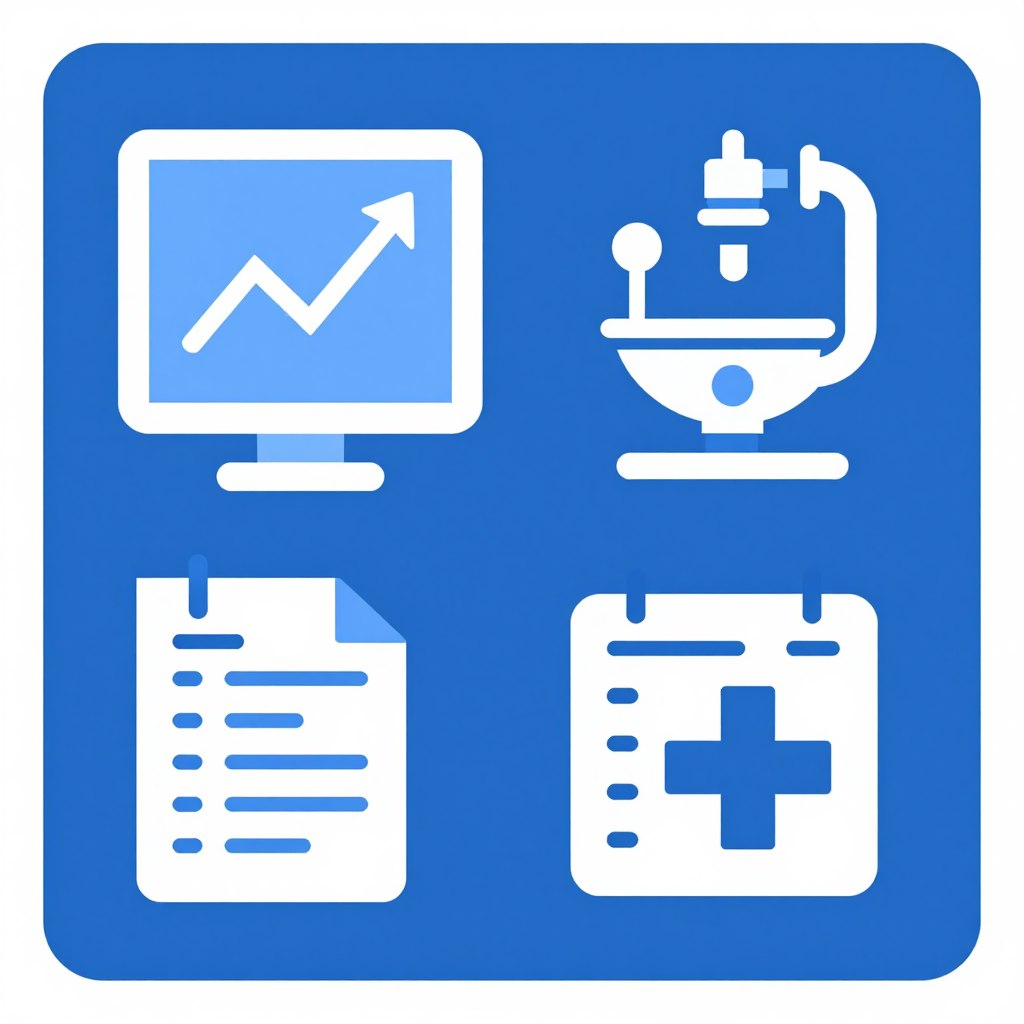
Different automation categories serve distinct operational needs. Understanding these categories helps organizations prioritize implementation efforts.

Administrative Automation
These systems handle non-clinical tasks like scheduling, registration, and insurance verification. They free staff to focus on patient care rather than paperwork.
- Registration and intake processing
- Insurance eligibility verification
- Appointment scheduling and management
Clinical Automation
Clinical systems support direct patient care activities. They include electronic health records, clinical decision support, and diagnostic tools.
- Electronic health records management
- Clinical decision support systems
- Laboratory and imaging result routing

Financial Automation
Financial tools optimize revenue cycle management. They accelerate billing, improve collection rates, and provide real-time financial visibility.
- Claims submission and tracking
- Payment posting and reconciliation
- Denial management workflows
Key Benefits of Automated Health Operations
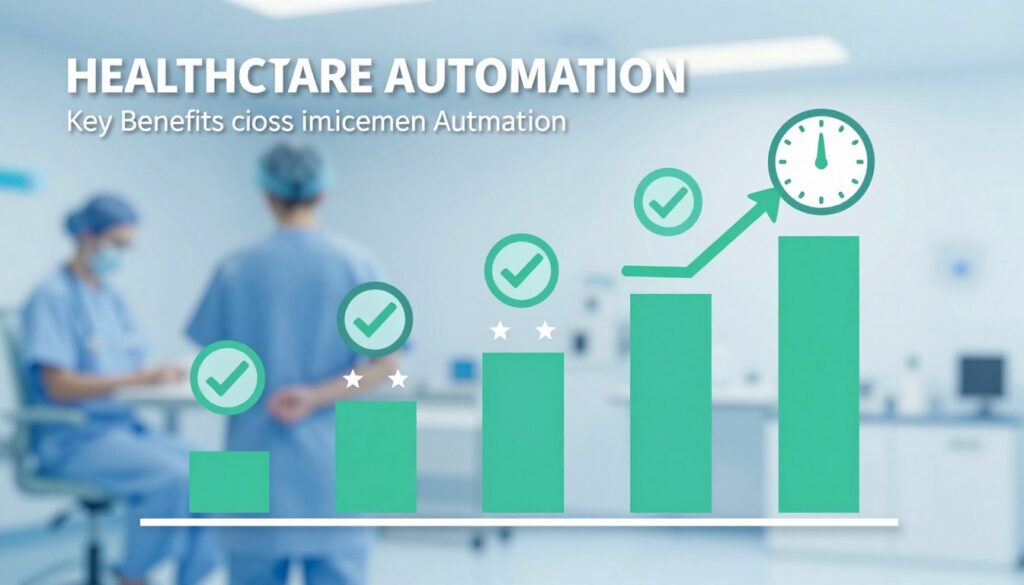
Organizations implementing automated health systems report significant improvements across multiple metrics. These benefits extend beyond simple cost savings to encompass quality, satisfaction, and strategic positioning.
Operational Efficiency Gains
Automation eliminates manual processes that consume valuable staff time. Healthcare employees can redirect their efforts toward higher-value activities that require human judgment and compassion.

Cost Reduction Opportunities
Financial benefits emerge from multiple sources when implementing automated health operations. Organizations typically see returns within the first year of implementation.
- Reduced administrative staffing needs
- Lower overtime expenses
- Decreased billing error costs
- Minimized no-show losses
- Reduced paper and supply costs
- Lower communication expenses
Direct Cost Savings
- Faster claims processing and payment
- Improved coding accuracy
- Higher collection rates
- Better appointment utilization
- Reduced claim denials
- Enhanced patient retention
Revenue Enhancement
- Competitive market positioning
- Scalability without proportional cost increase
- Data-driven decision making
- Better resource allocation
- Improved staff satisfaction and retention
- Enhanced patient experience scores
Strategic Value
Quality and Compliance Improvements
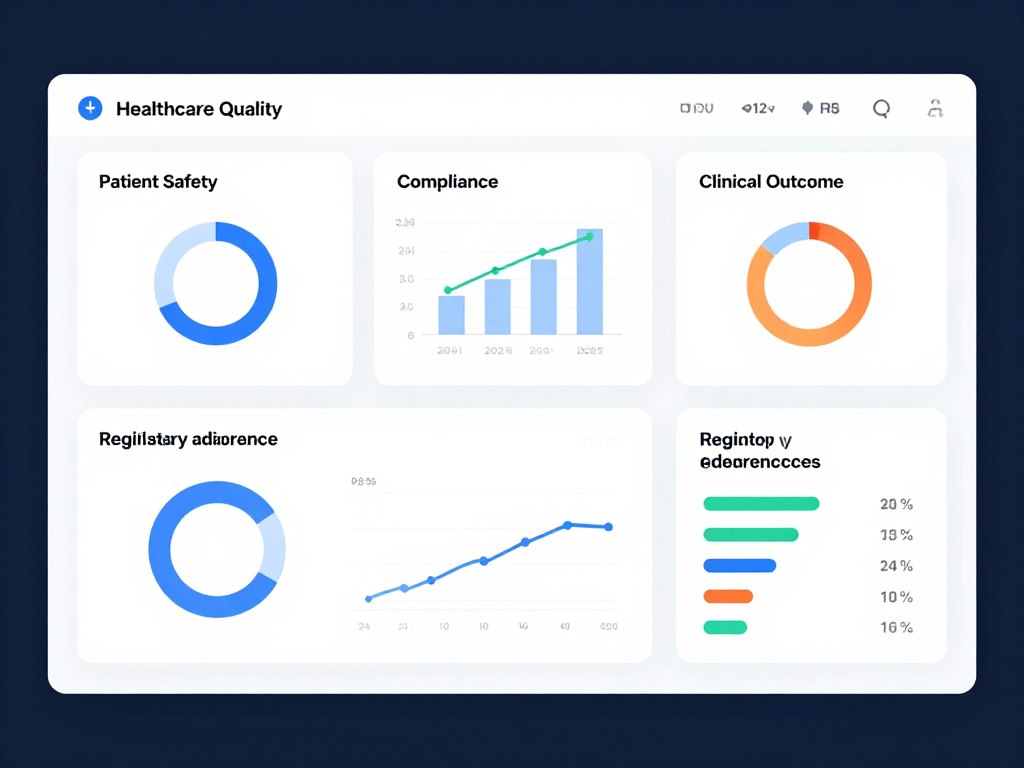
Automated systems enhance care quality through consistency and accuracy. They also simplify regulatory compliance by maintaining detailed audit trails and enforcing protocols.
Quality Advantages
- Consistent application of clinical protocols
- Reduced medication errors through e-prescribing
- Better care coordination across providers
- Improved patient safety through alerts
- Enhanced documentation completeness
- Real-time access to patient information
Implementation Considerations
- Initial training time investment required
- Temporary workflow disruption during transition
- Need for ongoing system maintenance
- Regular staff education and updates
- Potential technology dependency risks
- Data security and privacy management
Calculate Your Potential ROI
Schedule a free 30-minute consultation with our healthcare automation specialists. We’ll help you identify specific cost-saving opportunities and efficiency gains for your organization.
Implementing Automation Strategies

Successful automation requires careful planning and systematic implementation. Organizations that follow structured approaches achieve better outcomes and faster adoption.
Assessment and Planning Phase
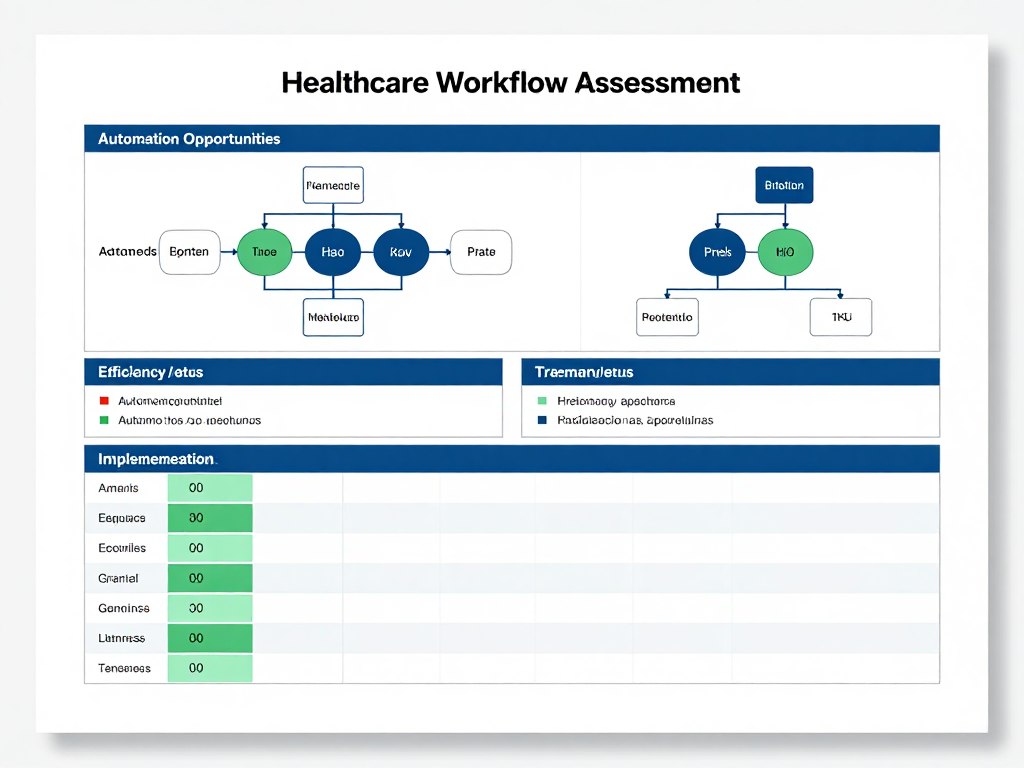
Start by evaluating current operations to identify automation opportunities. This assessment reveals which processes offer the highest return on investment.
- Document existing workflows and identify pain points that slow operations or increase costs
- Measure current performance metrics to establish baseline data for future comparison
- Prioritize processes based on impact potential, implementation complexity, and resource availability
- Define clear success criteria including efficiency targets, cost reduction goals, and quality improvements
- Develop detailed implementation timeline with milestones, resource allocation, and contingency plans
- Secure stakeholder buy-in from leadership, staff, and key department managers
Technology Selection Criteria
Choosing the right automated health systems determines long-term success. Multiple factors influence technology decisions beyond initial price considerations.
| Selection Factor | Key Considerations | Impact Level | Evaluation Method |
| Integration Capabilities | Compatibility with existing systems, API availability, data exchange standards | Critical | Technical assessment, vendor documentation review |
| Scalability | Growth capacity, performance under increased load, feature expansion options | High | Load testing, growth scenario modeling |
| User Experience | Interface intuitiveness, training requirements, user satisfaction scores | High | Demo sessions, staff feedback, pilot testing |
| Vendor Support | Response times, training resources, implementation assistance, ongoing maintenance | High | Reference checks, SLA review, support testing |
| Security Features | HIPAA compliance, encryption standards, access controls, audit capabilities | Critical | Security audit, compliance certification verification |
| Total Cost of Ownership | Licensing, implementation, training, maintenance, upgrade costs | High | Five-year cost projection, ROI calculation |
Change Management Best Practices
Technology alone doesn’t guarantee success. Effective change management ensures staff adoption and maximizes the value of automated health operations.
Communication Strategies

Regular, transparent communication builds trust and reduces resistance. Share implementation progress, address concerns promptly, and celebrate early wins.
- Hold regular town hall meetings to discuss progress
- Create feedback channels for staff input
- Share success stories and positive outcomes
- Address concerns quickly and transparently
Training Programs

Comprehensive training prepares employees for new systems. Multiple training formats accommodate different learning styles and schedules.
- Provide role-specific training modules
- Offer hands-on practice opportunities
- Develop quick reference guides
- Establish super-user support network
Automation Categories in Healthcare
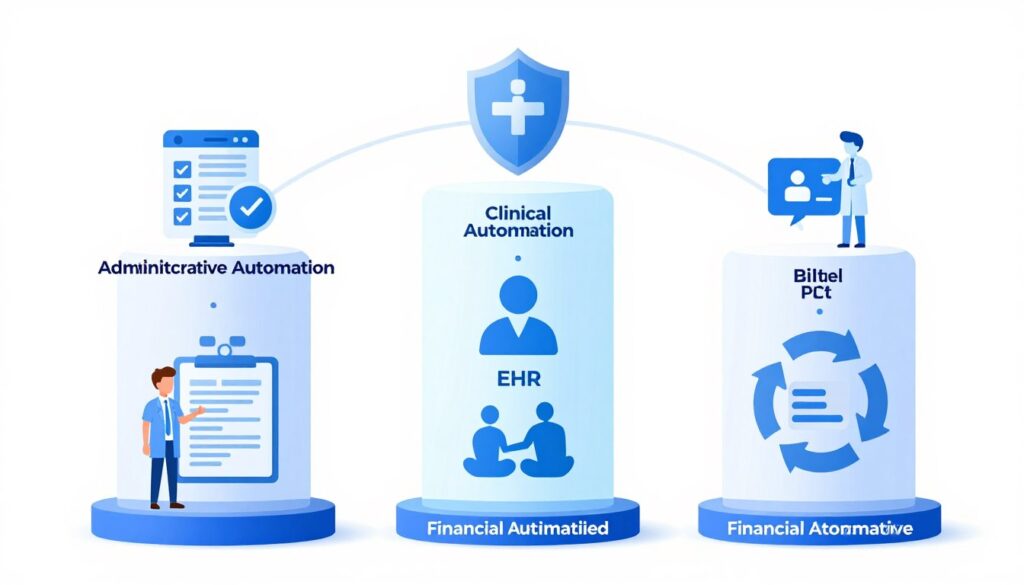
Different departments benefit from specialized automation solutions. Understanding these categories helps organizations build comprehensive automation strategies.
Administrative Process Automation
Front-office operations consume significant staff time with repetitive tasks. Automated health systems in this category dramatically improve efficiency and patient satisfaction.

Patient Registration
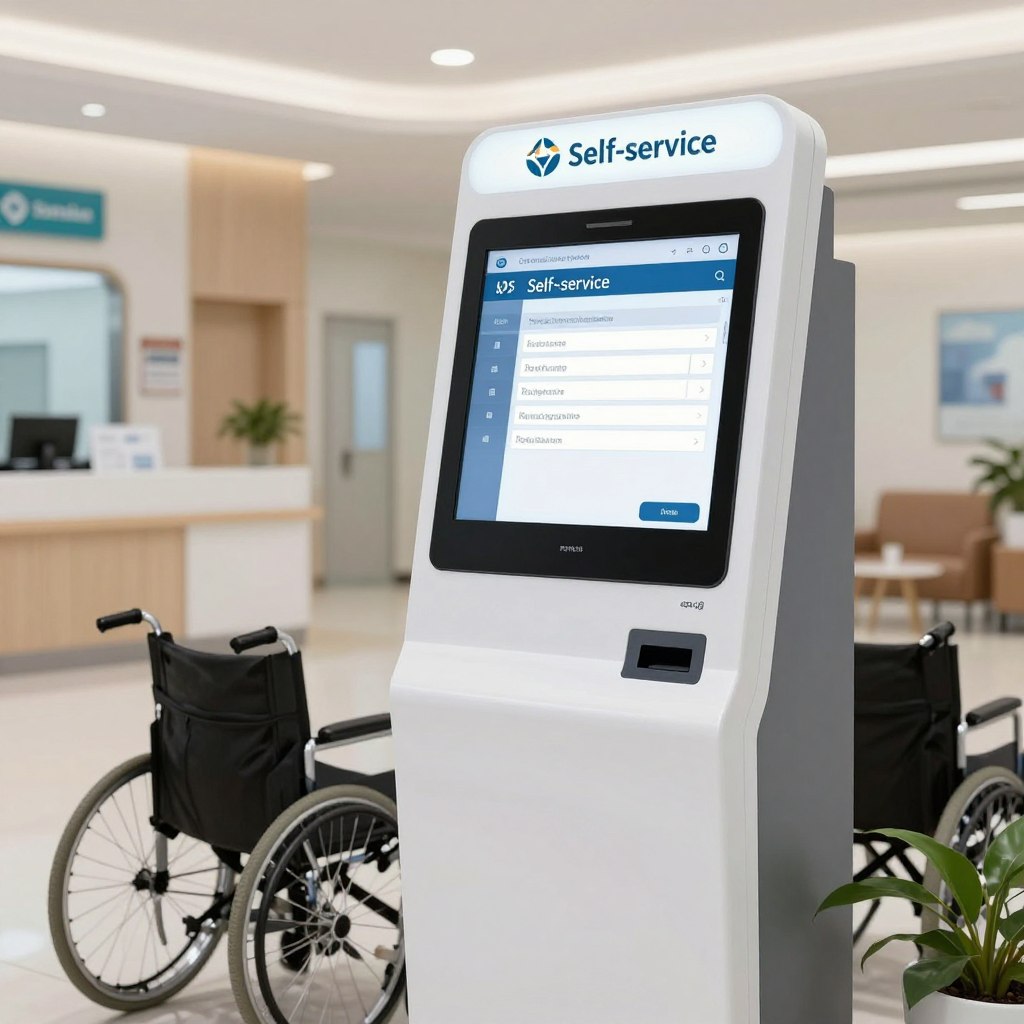
Self-service kiosks and online portals enable patients to complete registration before arrival. This reduces wait times and improves data accuracy.
- Demographic information capture
- Insurance card scanning and verification
- Consent form electronic signature
- Medical history questionnaire completion
Appointment Management
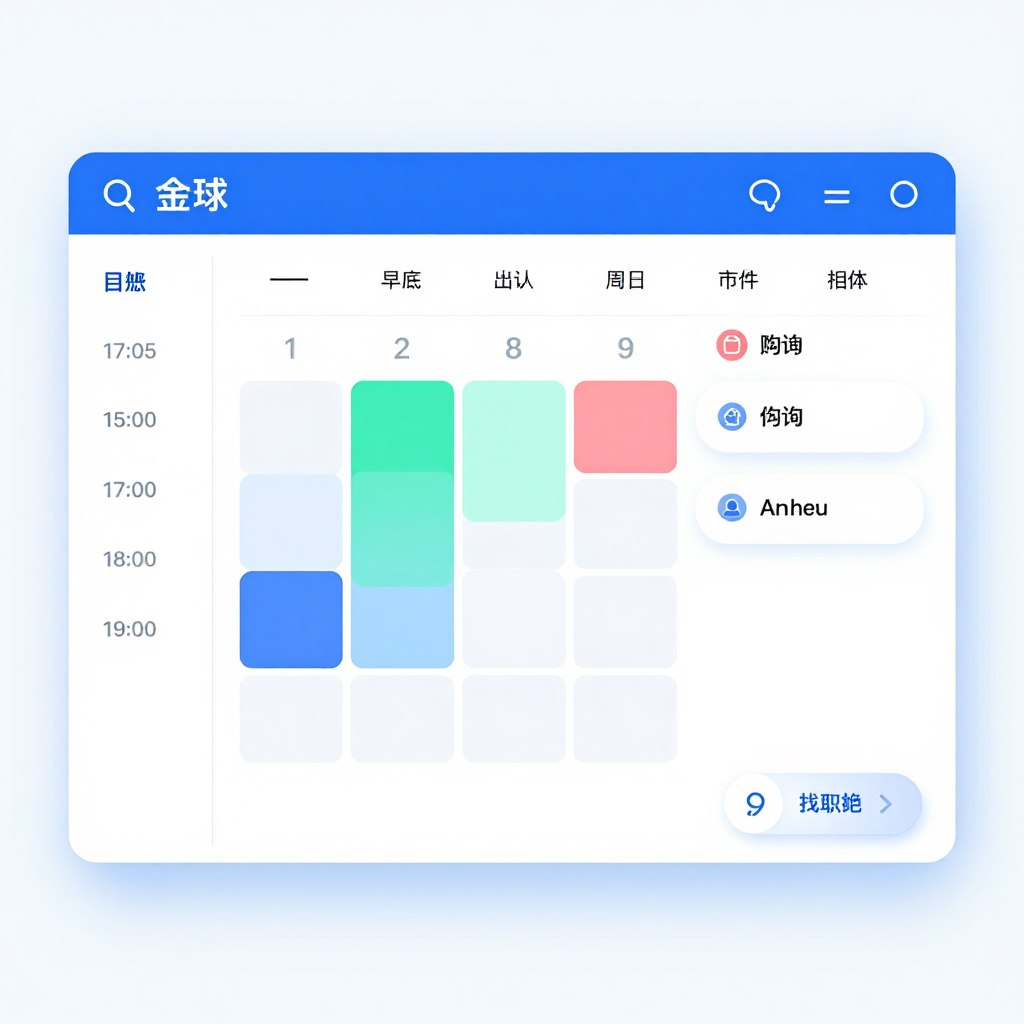
Intelligent scheduling systems optimize provider time while offering patients convenient booking options. Automated reminders reduce no-shows significantly.
- Online booking with real-time availability
- Automated reminder calls and texts
- Waitlist management for cancellations
- Schedule optimization based on visit types
Insurance Verification
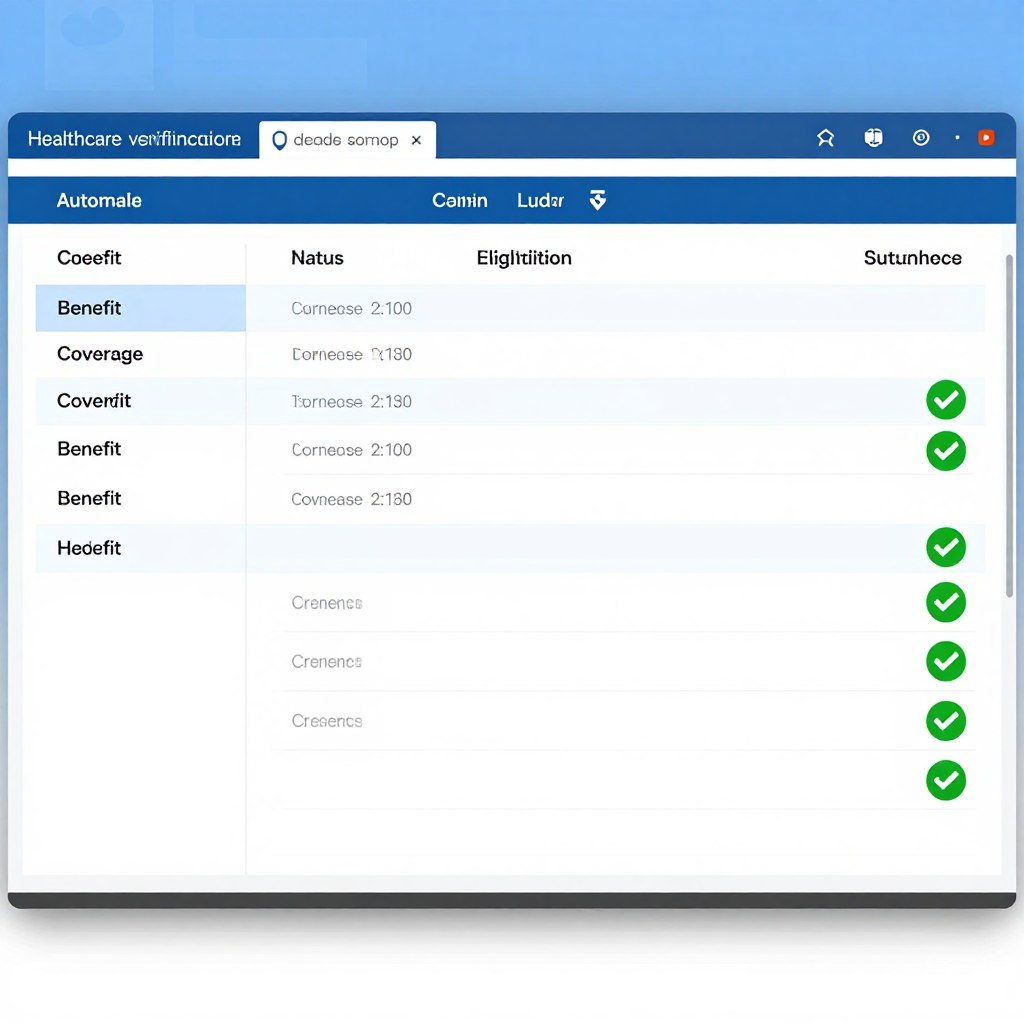
Automated eligibility checking confirms coverage before appointments. This prevents payment delays and improves the patient financial experience.
- Real-time eligibility verification
- Benefit level determination
- Prior authorization tracking
- Patient responsibility estimation
Clinical Workflow Automation
Clinical staff spend considerable time on documentation and coordination. Automation in these areas enhances care quality while reducing provider burden.

Electronic Health Records
Modern EHR systems do more than store information. They actively support clinical decisions and streamline documentation workflows.
- Template-based documentation
- Voice recognition for note creation
- Clinical decision support alerts
- Medication interaction checking
Order Management
Computerized order entry systems reduce errors and accelerate service delivery. They connect seamlessly with laboratories, pharmacies, and imaging centers.
- Electronic prescribing to pharmacies
- Laboratory order transmission
- Imaging study requests and tracking
- Automated result notification
Care Coordination
Automation facilitates communication across care teams. Shared platforms ensure everyone has current patient information.
- Referral management and tracking
- Care plan sharing across providers
- Discharge planning workflows
- Follow-up appointment scheduling
Financial Operations Automation
Revenue cycle management involves numerous manual steps prone to errors and delays. Automated health systems in this domain improve cash flow and reduce administrative costs.
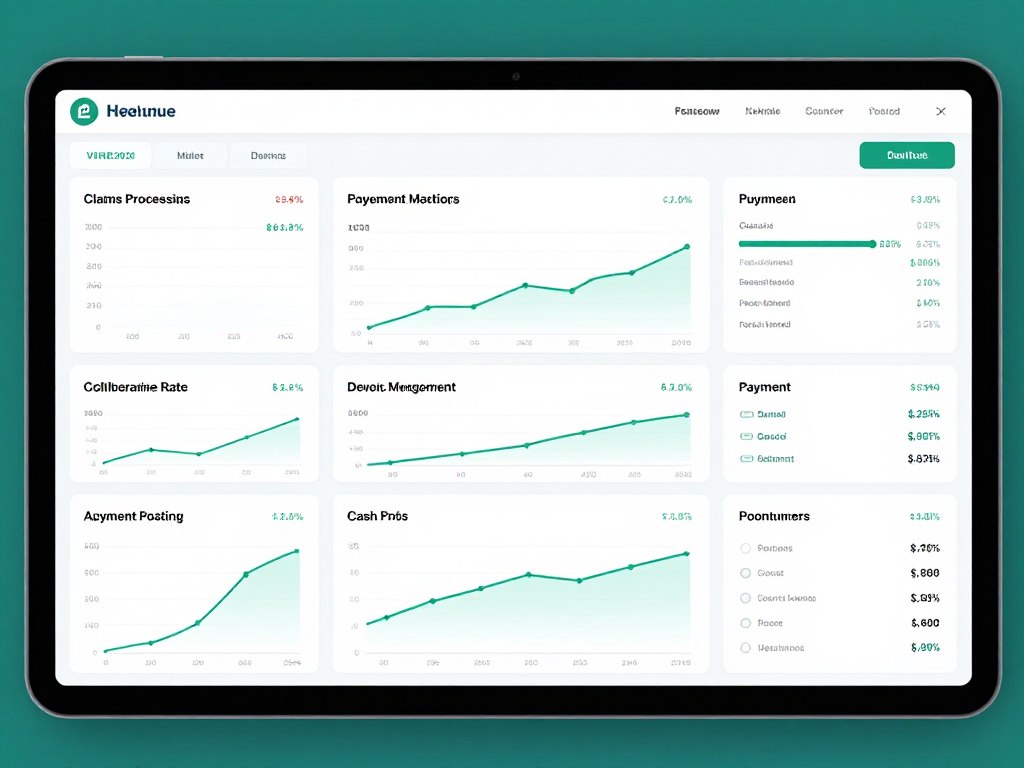
Revenue Impact: Organizations implementing comprehensive revenue cycle automation report 25-40% reduction in days in accounts receivable and 15-30% improvement in collection rates within the first year.
Claims Processing
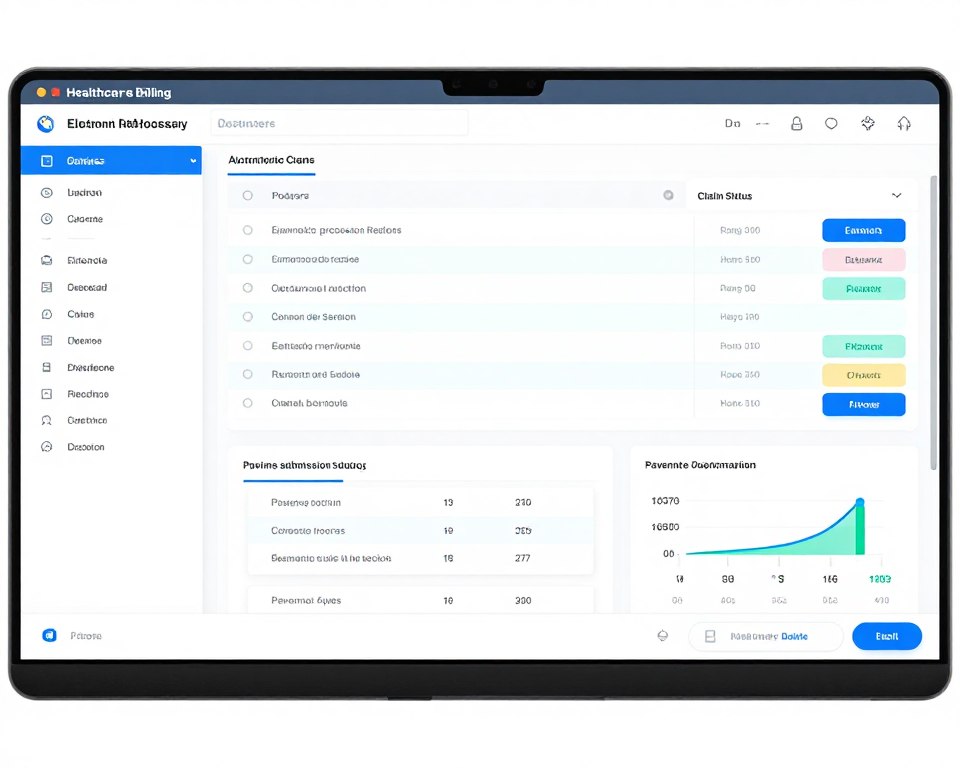
Automated claims management accelerates reimbursement while reducing errors that cause denials.
- Electronic claim generation from encounter data
- Automated coding suggestions based on documentation
- Scrubbing tools that identify errors before submission
- Real-time claim status tracking
- Automated denial management workflows
- Resubmission process automation
Measuring ROI of Automated Health Operations
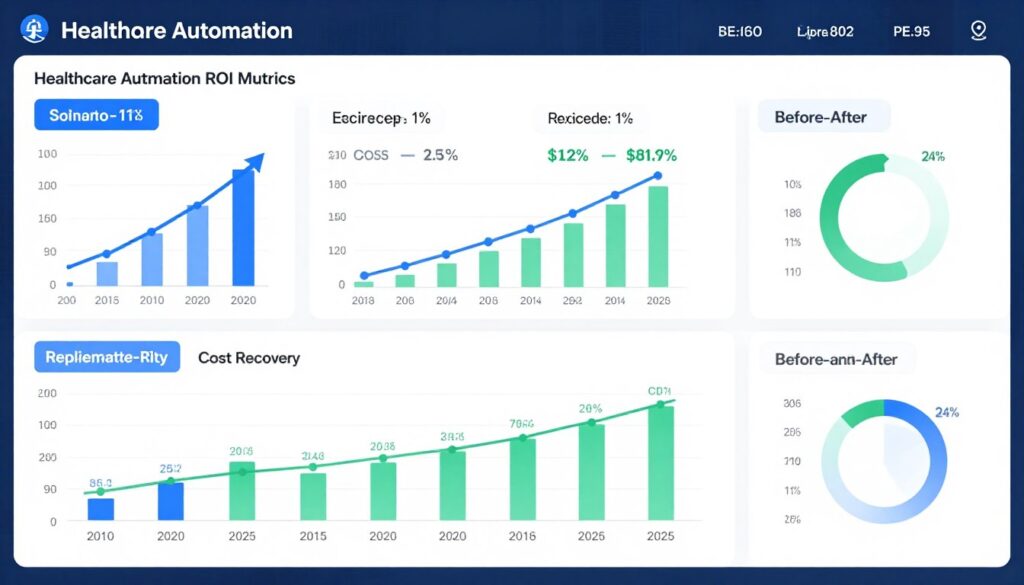
Quantifying automation benefits validates investment decisions and guides future priorities. Comprehensive measurement tracks both financial and operational outcomes.
Key Performance Indicators
Successful organizations monitor multiple metrics across different operational areas. These KPIs provide early warning of issues and highlight opportunities for optimization.
| Metric Category | Specific KPI | Measurement Method | Target Improvement |
| Efficiency | Patient check-in time | Average minutes from arrival to exam room | 40-60% reduction |
| Efficiency | Appointment scheduling time | Minutes per appointment booked | 50-70% reduction |
| Financial | Days in accounts receivable | Average collection period for payments | 25-40% reduction |
| Financial | Clean claim rate | Percentage of claims paid on first submission | 15-25% improvement |
| Quality | Documentation completeness | Percentage of records meeting standards | 20-35% improvement |
| Quality | Patient satisfaction scores | Survey ratings for service quality | 10-20% improvement |
| Utilization | No-show rate | Percentage of scheduled appointments missed | 30-50% reduction |
| Utilization | Provider productivity | Patients seen per hour or day | 15-30% increase |
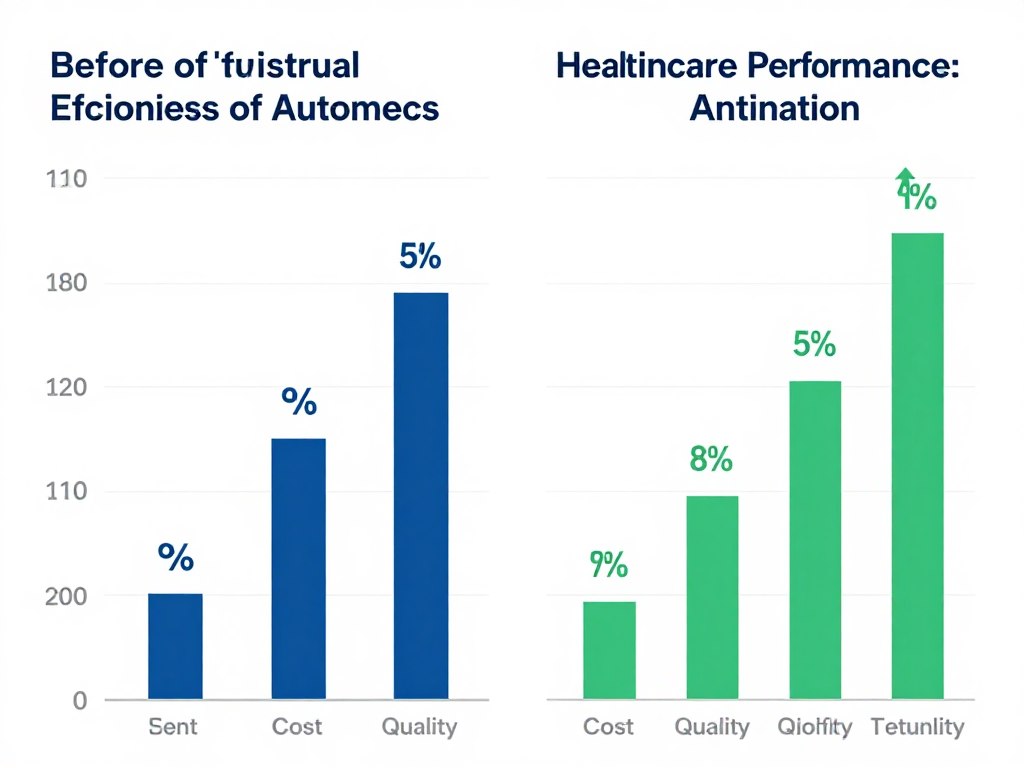
Cost-Benefit Analysis Framework
A thorough financial analysis considers all costs and benefits over a multi-year period. This comprehensive view supports accurate decision-making.
Implementation Timeline: Most automated health systems require 3-6 months for full implementation. Organizations typically achieve positive ROI within 12-18 months, with benefits accelerating in subsequent years as staff proficiency increases and additional features are adopted.
Investment Costs to Consider
- Software licensing fees including per-user or per-transaction pricing models
- Implementation services such as configuration, customization, and data migration
- Hardware infrastructure upgrades needed to support new systems
- Training programs for staff at all levels including initial and ongoing education
- Temporary productivity loss during transition period as employees learn new workflows
- Ongoing maintenance and support costs including updates and technical assistance
- Integration expenses to connect new systems with existing technology
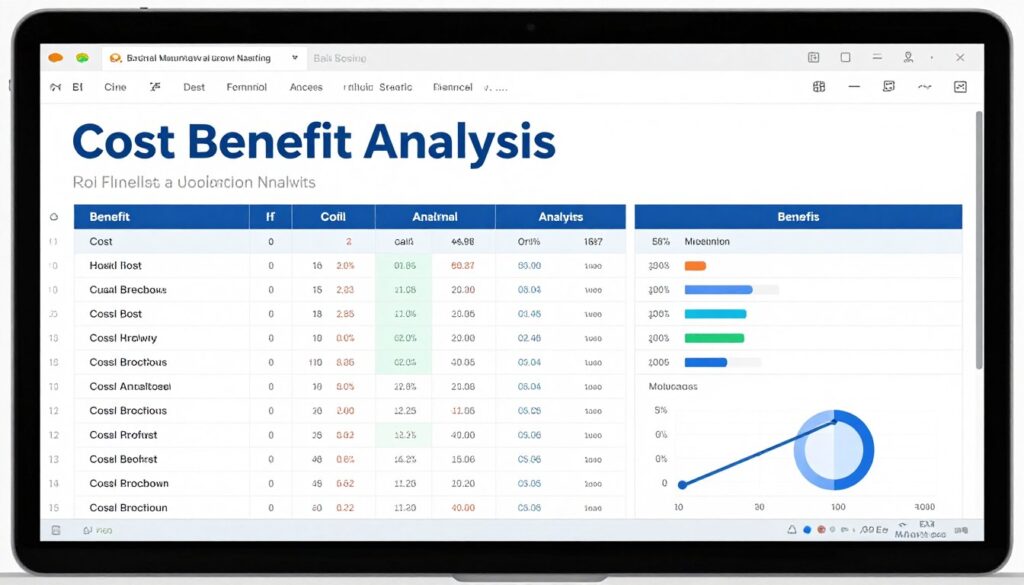
Quantifiable Benefits
Labor Cost Savings
Automation reduces the need for manual work in administrative and billing functions. Organizations redirect these resources to higher-value activities.
- Reduced overtime expenses for billing staff
- Lower temporary staffing needs during peak periods
- Decreased recruitment costs from improved retention
- Elimination of positions through attrition
Revenue Enhancement
Faster, more accurate billing accelerates cash flow. Better scheduling and reduced no-shows increase billable encounters.
- Accelerated payment collection timelines
- Increased billable appointments through optimization
- Higher reimbursement from improved coding accuracy
- Additional revenue from new patient capacity
Operational Savings
Efficiency improvements reduce various operational expenses while improving service quality.
- Reduced paper and supply costs from digitalization
- Lower phone and communication expenses
- Decreased denied claim resubmission costs
- Minimized compliance penalty risks
Strategic Value
Some benefits are harder to quantify but provide significant competitive advantages in the market.
- Enhanced patient loyalty and retention rates
- Improved staff satisfaction and reduced turnover
- Better market position and reputation
- Increased capacity to accept value-based contracts
Discover Your Automation ROI Potential
Schedule a comprehensive strategy session with our healthcare operations experts. We’ll analyze your current costs, project potential savings, and develop a customized automation roadmap for your organization. Limited availability for in-depth assessments this month.
Overcoming Implementation Challenges

Every automation initiative encounters obstacles. Organizations that anticipate challenges and prepare mitigation strategies achieve smoother implementations and better outcomes.
Common Implementation Barriers
Understanding typical challenges allows proactive planning. Most obstacles fall into predictable categories with established solutions.
Staff Resistance to Change
Employees often resist new systems due to fear of job loss, concern about learning curves, or satisfaction with current processes. Address resistance through transparent communication about automation goals, involvement of staff in selection and planning, comprehensive training programs, recognition of early adopters, and clear messaging about how automation enhances rather than replaces human roles.

Integration with Legacy Systems
Existing technology infrastructure often lacks modern integration capabilities. Many healthcare organizations operate with systems that don’t communicate effectively. Solutions include thorough pre-implementation assessment of integration requirements, selection of vendors with strong interoperability track records, use of health information exchange standards, consideration of middleware or integration platforms, and phased implementation that minimizes disruption.

Data Migration Complexity
Transferring information from old systems to new automated health platforms presents technical and logistical challenges. Data may exist in incompatible formats, contain errors, or lack standardization. Best practices include comprehensive data cleansing before migration, mapping of data fields between systems, pilot migration with subset of data, validation processes to ensure accuracy, and parallel operations during transition period.
Budget Constraints
Healthcare organizations face competing priorities for limited capital resources. Automation projects require significant upfront investment before benefits materialize. Strategies to address financial constraints include phased implementation starting with highest-ROI processes, exploration of cloud-based solutions with lower upfront costs, investigation of financing options or payment plans, quantification of opportunity costs of maintaining status quo, and securing of vendor commitments to specific ROI targets.
Workflow Disruption Concerns
Organizations worry about negative impacts on operations during implementation. Patient care cannot stop while new systems are deployed. Mitigation approaches include detailed workflow analysis and redesign before go-live, staged rollout by department or function, go-live support with additional resources on-site, establishment of downtime procedures as backup, and scheduling of implementation during lower-volume periods when possible.
Success Factors for Implementation
Organizations that excel at automation implementation share common characteristics. These success factors increase the likelihood of positive outcomes.

Executive Sponsorship
Strong leadership support ensures resources, removes obstacles, and signals organizational commitment. Executive sponsors champion the project and hold teams accountable.
- Visible leadership participation in planning
- Allocation of adequate resources
- Regular communication of priorities
- Resolution of cross-departmental conflicts
Dedicated Project Management
Experienced project managers coordinate activities, manage timelines, and maintain stakeholder communication. Clear accountability accelerates progress.
- Detailed project plans with milestones
- Regular status reporting and updates
- Risk identification and mitigation
- Issue tracking and resolution processes
User-Centered Design
Involving end users throughout the process ensures systems meet actual needs. User feedback shapes configuration decisions and training approaches.
- Front-line staff participation in selection
- Workflow validation before deployment
- User acceptance testing requirements
- Continuous feedback collection mechanisms
Future Trends in Healthcare Automation

Healthcare automation continues evolving rapidly. Emerging technologies promise even greater improvements in efficiency, quality, and patient experience.
Artificial Intelligence Integration
AI enhances automated health systems with intelligent decision support. These capabilities extend beyond simple rule-based automation to pattern recognition and predictive analytics.
Clinical AI Applications
- Diagnostic imaging analysis and pattern detection
- Predictive algorithms for patient deterioration
- Treatment recommendation based on outcomes data
- Drug interaction prediction and monitoring
- Population health risk stratification
Operational AI Uses
- Demand forecasting for staffing optimization
- Supply chain management and inventory prediction
- Revenue cycle optimization and denial prevention
- Patient flow management and bed allocation
- Appointment scheduling optimization algorithms
Patient Engagement AI
- Chatbots for symptom checking and triage
- Personalized health recommendations
- Virtual health assistants for chronic disease management
- Natural language processing for patient inquiries
- Sentiment analysis for satisfaction monitoring
Robotic Process Automation Expansion
RPA technology handles repetitive digital tasks across multiple systems. These software robots work continuously without fatigue or errors.
Implementation Note: While RPA offers significant benefits, organizations should carefully evaluate processes before automation. The best candidates are high-volume, rules-based tasks with structured data. Complex processes requiring judgment should focus on augmentation rather than full automation.
RPA Use Cases in Healthcare
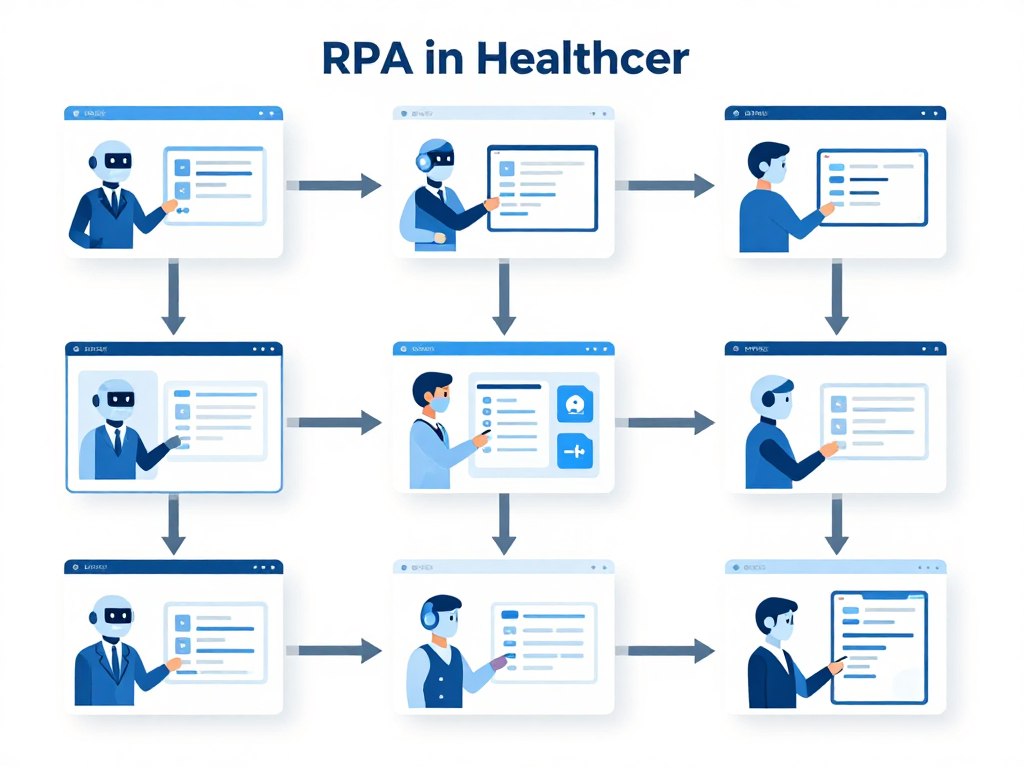
- Claims status checking across multiple payer portals automatically retrieving and updating information
- Prior authorization request submission and tracking reducing manual data entry and follow-up
- Patient data synchronization between disparate systems ensuring consistency across platforms
- Report generation and distribution on scheduled basis providing timely business intelligence
- Eligibility verification batch processing handling large volumes efficiently
- Referral management and tracking coordinating care across providers
Telehealth and Remote Monitoring
Virtual care platforms integrate with automated health operations creating seamless patient experiences. Remote monitoring generates data that automated systems process and act upon.
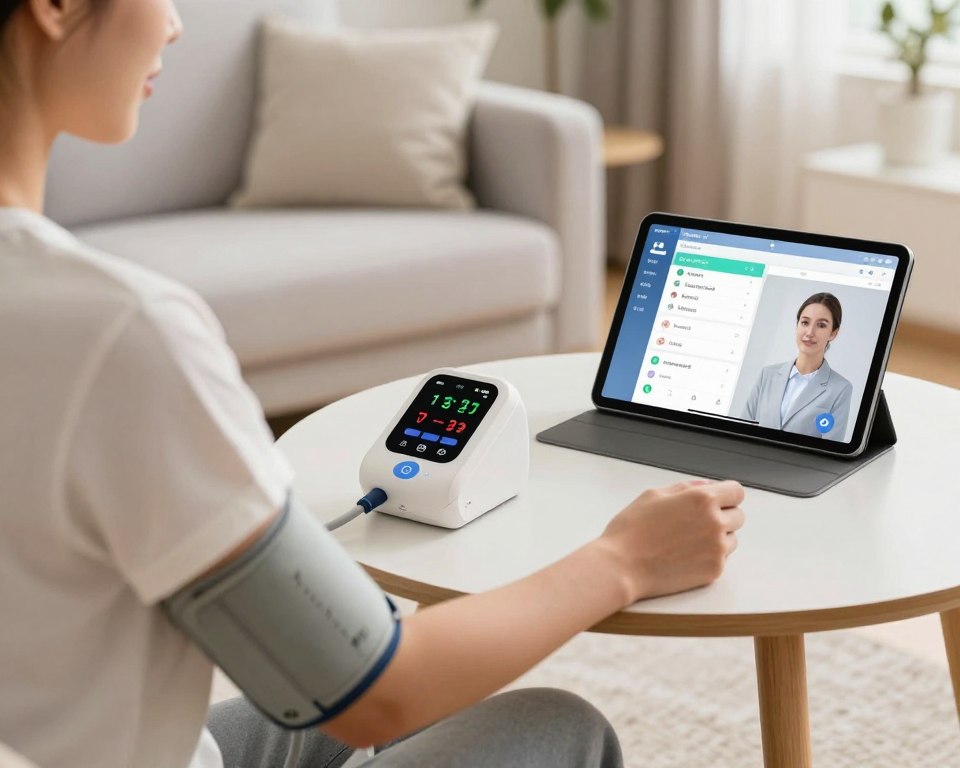
Connected devices collect continuous health data. Automated algorithms analyze this information and trigger appropriate responses when values exceed thresholds.
- Continuous vital sign monitoring with automated alerting
- Medication adherence tracking with reminder systems
- Symptom reporting through patient portals
- Virtual visit scheduling and conduct
- Automated care plan adjustments based on data trends
Market Growth
Remote patient monitoring market expected to reach $117 billion by 2025. Automation enables scalable monitoring of large patient populations.
Selecting Automation Partners

Choosing the right technology vendors and implementation partners significantly impacts success. Thorough evaluation prevents costly mistakes and ensures long-term value.
Vendor Evaluation Criteria
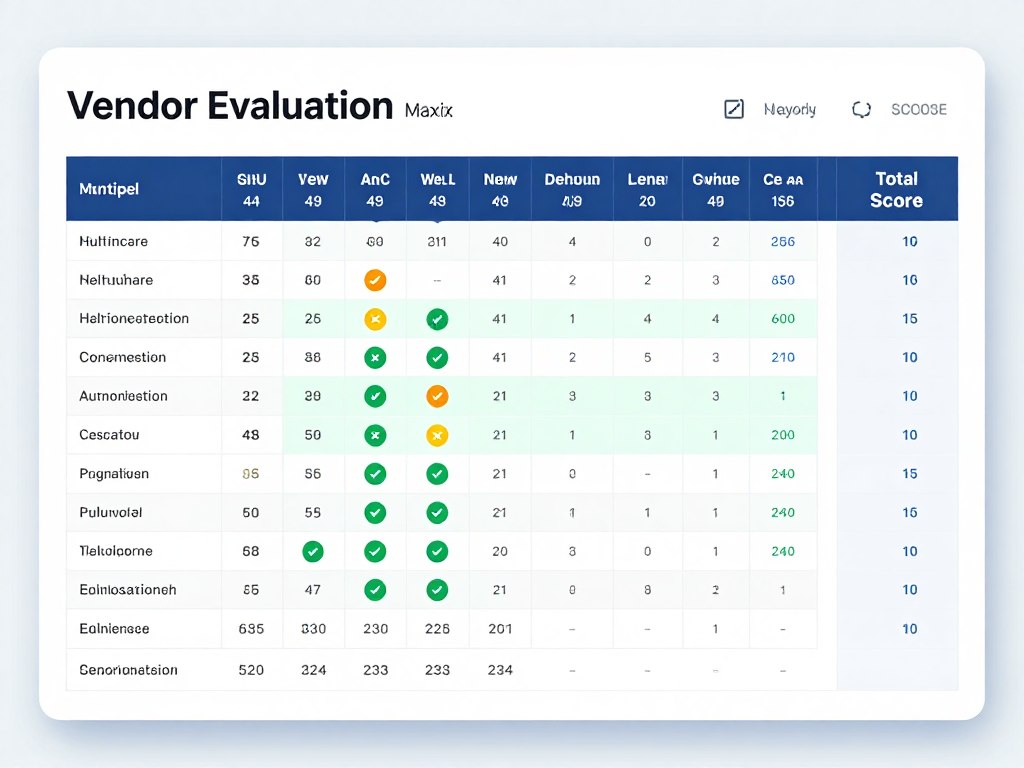
A structured assessment process reveals which vendors best meet organizational needs. Multiple factors beyond product features influence long-term satisfaction.
| Evaluation Area | Key Questions | Red Flags | Positive Indicators |
| Company Stability | How long in business? Financial health? Customer retention rate? | Recent funding issues, high customer churn, frequent leadership changes | Steady growth, long-term customers, industry recognition |
| Healthcare Experience | Years serving healthcare? Similar organization implementations? Regulatory knowledge? | Limited healthcare portfolio, no HIPAA expertise, generic solutions | Healthcare-specific products, compliance certifications, relevant case studies |
| Implementation Support | Implementation methodology? Resource commitment? Timeline realism? | Vague implementation plans, unrealistic timelines, limited support staff | Detailed methodology, dedicated resources, realistic schedules |
| Training Resources | Training approach? Materials quality? Ongoing education? | Minimal training included, outdated materials, no continuing education | Comprehensive programs, multiple formats, regular updates |
| Customer Support | Support hours? Response time commitments? Escalation process? | Limited hours, no SLA guarantees, unclear escalation paths | 24/7 availability, defined SLAs, dedicated support teams |
| Product Roadmap | Development priorities? Release frequency? Customer input process? | Infrequent updates, no customer advisory board, unclear direction | Regular releases, customer-driven priorities, clear vision |
Reference Checking Best Practices
Speaking with current customers provides insights unavailable in vendor presentations. Structured reference calls reveal real-world experiences.
Implementation Experience
Ask references about their implementation journey including challenges, timeline accuracy, and vendor support quality.
- Did implementation stay on schedule and budget?
- How responsive was vendor during deployment?
- What unexpected challenges emerged?
- Would you change anything about approach?
Ongoing Relationship
Understand the quality of continuing support and partnership after initial implementation completion.
- How quickly does support respond to issues?
- Are updates smooth and well-communicated?
- Does vendor listen to enhancement requests?
- Would you select this vendor again?
Business Results
Focus on actual outcomes achieved including efficiency gains, cost savings, and quality improvements.
- What specific metrics improved after implementation?
- Did you achieve projected ROI?
- How long until benefits materialized?
- What unexpected benefits emerged?
Navigate Vendor Selection with Confidence
Our healthcare automation specialists have evaluated dozens of vendors across all major categories. Schedule a complimentary consultation to discuss your specific requirements and receive unbiased recommendations based on your organizational needs, budget, and timeline.
Moving Forward with Automated Health Operations

Healthcare organizations face unprecedented operational pressures. Automated health operations provide proven solutions to these challenges. The technology has matured beyond early adoption to become essential infrastructure.
Organizations that implement automation strategically gain competitive advantages. They operate more efficiently, deliver better patient experiences, and achieve superior financial performance. The question is no longer whether to automate, but how to do so effectively.
Success requires careful planning, appropriate technology selection, and effective change management. Organizations must assess their unique needs, prioritize high-impact opportunities, and execute implementations systematically.
The future brings even more powerful automation capabilities. Artificial intelligence, robotics, and advanced analytics will further transform healthcare operations. Organizations building strong automation foundations today position themselves to leverage these emerging technologies.
Start your automation journey by identifying specific operational pain points. Focus initial efforts on processes offering clear ROI. Build momentum through early wins that demonstrate value and build organizational confidence.
Transform Your Healthcare Operations Today
Partner with experienced healthcare automation specialists who understand your unique challenges. We provide comprehensive support from initial assessment through successful implementation and beyond. Our proven methodology has helped hundreds of healthcare organizations achieve measurable improvements in efficiency, cost, and quality.