
Have you ever wondered if your body holds onto emotional experiences long after the events have passed? Many people in the United States are discovering that emotional well-being is deeply connected to our physical core. Exploring Die Heilung des Schoßraumes, der Sexualorgane und der offers a unique path toward reclaiming your personal vitality.
This holistic approach bridges the gap between ancient wisdom and modern self-care. By focusing on the reproductive center, you can release stored tension and foster a deeper sense of balance. Integrating these practices into your daily routine creates a foundation for profound personal transformation.
As you embark on this journey, you will learn how to nurture your body with intention. We will explore actionable steps to support your health and restore your natural energy flow. Let us begin the process of reconnecting with your inner strength.
Key Takeaways
- Understand the connection between emotional health and reproductive wellness.
- Learn how ancient practices support modern self-care routines.
- Discover techniques to release physical tension in the pelvic area.
- Explore methods for achieving long-term energetic vitality.
- Gain confidence in your ability to facilitate personal healing.
Understanding the Energetic and Physical Significance of the Womb Space
Your womb space serves as a silent witness to your life’s emotional journey. It acts as a deep reservoir, holding not just biological potential, but the echoes of your past experiences. Engaging in womb space healing allows you to acknowledge these layers and begin a process of profound restoration.
The Womb as a Center of Creativity and Emotion
Beyond its physical function, the womb is widely considered the seat of creative power and intuition. Many traditions view this area as the energetic core where your deepest desires and artistic impulses take root. When this space feels blocked, you may notice a decline in your ability to manifest new ideas or express your authentic self.
Emotions like grief, fear, or joy often find a home in the pelvic bowl. By consciously tuning into this area, you can release stagnant energy that no longer serves your growth. This practice is essential for anyone looking to reclaim their inner vitality and emotional balance.
Anatomical Connections and Pelvic Health
The physical structure of the pelvis is intricately linked to your nervous system. When you experience stress, the muscles in this region often tighten as a protective response. Maintaining optimal pelvic floor health requires a delicate balance between strength and the ability to fully relax.
Understanding these connections helps you see why physical tension is often a mirror for internal states. Consider these key aspects of pelvic wellness:
- Nervous System Regulation: The pelvic floor is deeply connected to the vagus nerve, which helps calm the body.
- Structural Support: Strong, flexible muscles provide the foundation for organ health and posture.
- Circulatory Flow: Proper movement encourages blood flow, which is vital for tissue repair and overall pelvic floor health.
By integrating this knowledge, you can approach your body with greater compassion. Recognizing the link between your physical anatomy and your energetic state is the first step toward lasting wellness.
Die Heilung des Schoßraumes, der Sexualorgane und der
Embarking on the journey of Die Heilung des Schoßraumes, der Sexualorgane und der requires a deep look at how we hold onto our past. This process is not merely physical; it is a profound invitation to reconnect with the core of your being. By acknowledging the body as a vessel for our experiences, we begin to unlock pathways to lasting vitality.
Recognizing Signs of Energetic Blockages
Energetic stagnation often manifests in subtle ways that we might overlook in our busy daily lives. You may notice a persistent sense of numbness or a lack of creative inspiration in your projects. Sometimes, this manifests as chronic tension in the pelvic floor that does not respond to standard stretching.
These signs are not just random physical occurrences. They are often the body’s way of signaling that energy is not flowing freely. When we ignore these signals, we may feel disconnected from our own intuition and sexual vitality.
The Intersection of Physical and Emotional Trauma
The pelvic region is frequently described as the emotional center of the body. It is where we store memories, fears, and unresolved experiences. When we experience stress or pain, the muscles in this area often contract as a protective mechanism.
This physical contraction can become a permanent state if we do not engage in emotional trauma release. By learning to identify where we hold tension, we can begin the work of softening these tissues. This intentional release is the essential first step toward achieving long-term recovery and balance.
True healing happens when we bridge the gap between our physical sensations and our emotional history. Prioritizing emotional trauma release allows the body to let go of what no longer serves it. This creates the necessary space for new, vibrant energy to flourish within the pelvic region.
Mindfulness Practices for Pelvic Floor Awareness
Developing pelvic floor awareness is an essential step in the journey of womb space healing. Many people carry stress in their lower abdomen without even realizing it. By shifting your focus inward, you can begin to identify and release these hidden patterns of tension.
Mindfulness for women provides the necessary tools to bridge the gap between the mind and the physical body. When you practice presence, you create a safe environment for your nervous system to down-regulate. This process is vital for long-term reproductive health and emotional balance.
Breathwork Techniques to Release Tension
The breath acts as a bridge to the pelvic floor. When you inhale deeply into the belly, the diaphragm moves downward, which naturally encourages the pelvic muscles to lengthen and soften. This simple movement helps to counteract the chronic gripping that often occurs during times of stress.
- Diaphragmatic Breathing: Place your hands on your lower belly and feel it expand like a balloon as you inhale.
- Exhale Release: Focus on a long, slow exhale to signal safety to your body.
- Softening Visualization: Imagine your pelvic floor muscles melting like butter with every breath out.
Guided Visualization for Womb Connection
Visualization is a powerful method for fostering a nurturing connection with your internal landscape. By closing your eyes and directing your attention to the womb space, you can cultivate a sense of warmth and safety. This practice helps to clear stagnant energy and invites a feeling of wholeness.
Try sitting in a comfortable position and placing your hands over your lower abdomen. Visualize a soft, golden light filling your womb, gently dissolving any areas of tightness or discomfort. This mindfulness for women technique encourages you to treat your body with kindness and patience.
| Practice Type | Primary Benefit | Recommended Duration |
|---|---|---|
| Diaphragmatic Breath | Physical muscle release | 5-10 minutes |
| Golden Light Visualization | Emotional grounding | 10-15 minutes |
| Body Scanning | Heightened awareness | 5-8 minutes |
Nutritional Support for Reproductive and Pelvic Health
What you put on your plate directly influences the complex internal environment of your pelvic health. By choosing nutrient-dense options, you provide the building blocks necessary for reproductive wellness. This intentional approach to eating serves as a foundation for your overall vitality.
Anti-Inflammatory Foods for Hormonal Balance
Systemic inflammation often acts as a silent barrier to physical comfort and internal harmony. Incorporating anti-inflammatory foods is one of the most effective hormonal balance tips available to you. Focus on adding colorful vegetables, omega-3 fatty acids, and antioxidant-rich berries to your daily meals.
These foods help calm the body’s stress response, which is essential for maintaining a healthy pelvic environment. When you reduce inflammation, you allow your body to focus its energy on restoration and balance. Consistency in your dietary choices creates a stable internal climate for long-term health.
“Let food be thy medicine and medicine be thy food.”
Herbal Allies and Natural Supplements
Beyond whole foods, many people find that specific herbs provide gentle support for their unique needs. Integrating these into your routine is a key aspect of holistic reproductive care. Traditional practices often highlight the benefits of plants like red raspberry leaf or nettle to nourish the reproductive system.
It is important to approach supplements with mindfulness and professional guidance. These tools are meant to complement your lifestyle, offering extra support for your hormonal balance tips. By embracing holistic reproductive care, you honor the wisdom of your body while actively participating in your own journey toward reproductive wellness.
Somatic Movement and Yoga for Pelvic Release
Healing often begins when we learn to listen to the subtle signals of our physical form. Many individuals hold unconscious tension in the pelvic floor, which can manifest as physical discomfort or emotional heaviness. By engaging in somatic movement therapy, you can begin to bridge the gap between your mind and body, allowing for a more profound sense of ease.
Asanas Targeting the Hip and Pelvic Region
Specific yoga postures are highly effective at opening the hips and relaxing the pelvic floor muscles. These movements encourage blood flow and help to dissolve the tightness that accumulates from daily stress or sedentary habits. Consider incorporating these gentle poses into your routine:
- Baddha Konasana (Bound Angle Pose): This pose gently stretches the inner thighs and groin, promoting relaxation in the pelvic bowl.
- Ananda Balasana (Happy Baby Pose): An excellent way to release the lower back and open the hips while feeling grounded on the floor.
- Malasana (Yogi Squat): This deep squat helps to lengthen the pelvic floor muscles and encourages a sense of openness.
The Role of Movement in Releasing Stored Trauma
The body often acts as a vessel for past experiences, holding onto sensations that the mind may have suppressed. Through trauma-informed yoga, you create a secure environment where your nervous system feels safe enough to let go. This practice is not about achieving a perfect pose, but rather about fostering emotional trauma release through mindful awareness.
When you move with intention, you allow the body to process and discharge stored energy. This approach to somatic movement therapy prioritizes your internal experience over external aesthetics. By choosing trauma-informed yoga, you honor your boundaries and give yourself permission to heal at your own pace. Ultimately, this journey toward emotional trauma release empowers you to reclaim your physical space and restore your inner balance.
The Role of Pelvic Floor Physical Therapy
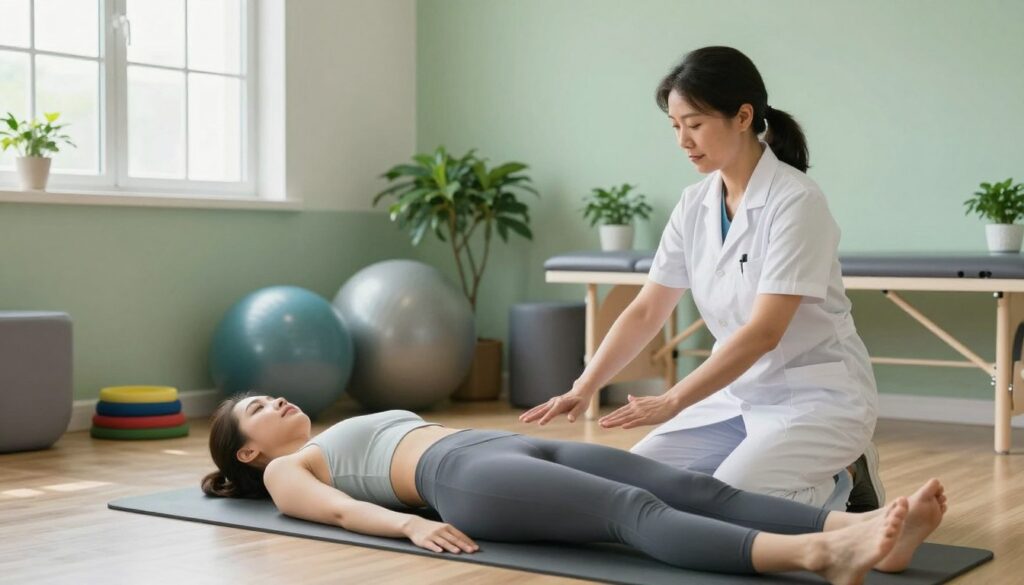
When persistent discomfort arises, seeking specialized care becomes an essential part of your recovery journey. While holistic habits provide a strong foundation for wellness, they cannot always replace the precision of clinical intervention. Pelvic floor physical therapy serves as a vital bridge between daily self-care and long-term functional health.
When to Seek Professional Medical Guidance
It is important to listen to your body when it signals that something is not right. You should consider consulting a specialist if you experience chronic pain, persistent incontinence, or significant discomfort during intimacy. These symptoms often indicate underlying issues that require a clinical assessment to ensure safety and efficacy.
Many individuals wait too long to seek help, hoping that symptoms will resolve on their own. However, early intervention is often the key to preventing long-term complications. If you notice that your symptoms interfere with your daily life, it is time to prioritize your pelvic floor health.
Understanding the Benefits of Specialized Therapy
Working with a trained therapist offers a structured approach to healing that is tailored to your unique anatomy. These professionals use evidence-based techniques to improve pelvic floor awareness, helping you reconnect with muscles that may have been dormant or tense for years. This process empowers you to take control of your physical wellbeing through guided, measurable progress.
Specialized therapy provides more than just symptom relief; it offers a deeper understanding of how your body functions. By learning specific exercises and release techniques, you gain the tools necessary to maintain your health independently. The following table highlights how clinical support complements your existing wellness practices.
| Feature | Holistic Practices | Clinical Therapy |
|---|---|---|
| Focus | General wellbeing | Targeted dysfunction |
| Assessment | Self-observation | Professional diagnosis |
| Goal | Maintenance | Functional restoration |
| Approach | Intuitive | Evidence-based |
Emotional Clearing and Journaling Techniques
Healing the body often requires looking deep into the hidden corners of our emotional landscape. When we carry stress in our pelvic region, it frequently acts as a physical manifestation of stored memories. Engaging in emotional trauma release allows you to acknowledge these burdens and begin the process of letting them go.
Processing Past Experiences and Limiting Beliefs
Journaling serves as a bridge between your subconscious mind and your physical reality. By writing down your experiences, you can identify the limiting beliefs that have shaped your view of your own body. These emotional clearing techniques help you move from a state of suppression to one of active healing.
Consider using these prompts to guide your reflection:
- What physical sensations arise when I think about my past experiences?
- Which beliefs about my femininity or sexuality no longer serve my current growth?
- How can I offer myself compassion for the stories I have held onto for so long?
“The wound is the place where the Light enters you.”
Creating a Safe Space for Emotional Expression
To effectively process your emotions, you must first establish a sanctuary where you feel completely secure. This space does not need to be elaborate; it simply requires a quiet corner where you can be honest without fear of judgment. Consistency is the key to unlocking the benefits of these emotional clearing techniques .
Try to dedicate a specific time each day to sit with your journal. During this time, focus on your breath and allow your thoughts to flow onto the page without editing. By creating this intentional rhythm, you provide your nervous system with the safety it needs to release long-held tension and support your overall reproductive wellbeing.
The Importance of Boundaries in Sexual Wellbeing
True sexual wellbeing practices begin with the quiet strength of personal boundaries. When you define your limits, you create a safe container for your own pleasure and emotional safety. This process is not about restriction, but rather about honoring your authentic self in every interaction.
Establishing Healthy Energetic Boundaries
Developing energetic boundaries requires a deep awareness of how you feel in the presence of others. You must learn to recognize when your energy feels drained or compromised during intimate moments. By tuning into your body’s subtle signals, you can identify exactly where your comfort zone ends.
Protecting your space involves setting clear intentions before any physical encounter. Visualize a protective light around your body that allows only positive, consensual energy to enter. This practice helps you maintain your sovereignty and prevents the absorption of external stress or unwanted emotions.
Communicating Needs and Desires Effectively
Clear communication is the bridge between internal boundaries and external reality. You must be willing to express your preferences with honesty and clarity to foster mutual respect. Using “I” statements allows you to share your needs without placing blame on your partner.
Effective sexual wellbeing practices rely on the courage to speak up when something does not feel right. Remember that your voice is your most powerful tool for maintaining emotional and physical integrity. When you communicate your desires openly, you invite your partner to engage with you in a more meaningful and respectful way.
Ultimately, setting energetic boundaries is a continuous journey of self-discovery. As you grow, your needs may shift, and that is perfectly natural. Stay committed to checking in with yourself regularly to ensure your boundaries remain aligned with your current truth.
Holistic Rituals for Self-Care and Restoration
Daily rituals serve as a bridge between your physical body and your inner emotional landscape. By carving out intentional time for yourself, you invite a sense of peace that supports long-term wellness. These practices are essential for anyone seeking a deeper connection to their feminine center.
Yoni Steaming and Traditional Practices
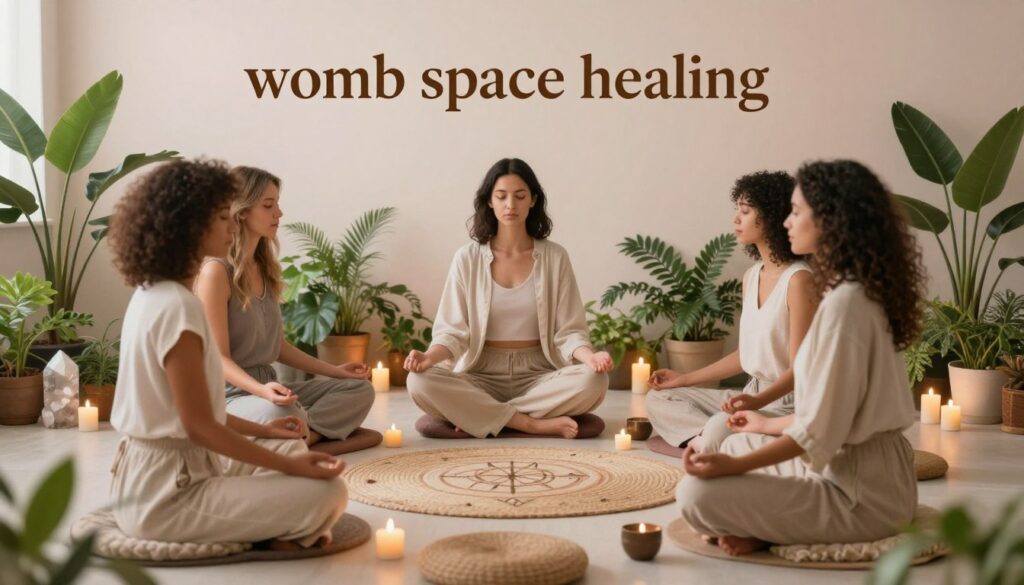
Yoni steaming is a time-honored tradition that has been used for centuries to support womb space healing. This gentle practice involves sitting over a pot of herbal-infused steam to cleanse and nourish the reproductive tissues. Many women find that this ritual helps release stored tension and promotes a healthy cycle.
When you engage in this practice, you are participating in a lineage of holistic reproductive care that honors the wisdom of the body. It is important to use high-quality, organic herbs and ensure the steam is at a comfortable temperature. This act of care encourages you to slow down and listen to the subtle signals of your body.
Creating a Daily Ritual for Grounding
Establishing a consistent routine is a powerful form of mindfulness for women. You do not need hours of free time to make a difference; even five minutes of focused attention can shift your energy. Start by choosing a quiet corner where you feel safe and undisturbed.
Your daily ritual might include deep breathing, gentle stretching, or simply sitting in silence with your hands placed over your lower abdomen. This simple gesture fosters a sense of safety and presence. By making this a non-negotiable part of your day, you prioritize your own healing and emotional stability.
| Ritual Type | Primary Benefit | Time Required |
|---|---|---|
| Yoni Steaming | Physical Cleansing | 20-30 Minutes |
| Abdominal Massage | Improved Circulation | 10 Minutes |
| Guided Meditation | Emotional Grounding | 5-10 Minutes |
| Journaling | Mental Clarity | 10 Minutes |
Consistency is the key to unlocking the benefits of these practices. As you integrate these habits, you will likely notice a greater sense of harmony within your holistic reproductive care journey. Remember that your path to wellness is unique, and every small step toward womb space healing is a victory worth celebrating.
Integrating Mind-Body Practices into Daily Life
Embarking on a path toward better health is much like running a marathon, where steady progress matters more than speed. True reproductive wellness is not achieved overnight, but rather through the quiet accumulation of daily habits. By choosing to show up for yourself consistently, you build a foundation that supports long-term vitality.
Consistency and Patience in the Healing Journey
It is common to feel overwhelmed when trying to add new routines to a busy schedule. However, you can weave somatic movement therapy into your day by starting with just five or ten minutes of intentional motion. These brief sessions help you reconnect with your body without requiring hours of free time.
Similarly, incorporating trauma-informed yoga does not always require a studio class. You might practice gentle poses at home to release stored tension after a long day. The goal is to remain patient with your process, understanding that your body needs time to integrate these new, supportive patterns.
Tracking Progress and Celebrating Small Wins
Maintaining motivation is easier when you acknowledge how far you have come. Keeping a simple journal can help you track subtle shifts in your physical comfort and emotional clarity. Celebrating small wins, such as feeling more grounded during a stressful meeting, reinforces your commitment to your health.
Remember that your journey toward reproductive wellness is unique to you. By focusing on these incremental improvements, you create a sustainable rhythm that honors your needs. Stay kind to yourself, and trust that every small step contributes to your overall healing.
Common Pitfalls and How to Avoid Them
Navigating the complexities of self-healing requires more than just willpower; it demands a strategy to avoid common traps. Many individuals start their journey with high expectations, only to feel discouraged when progress seems slow or non-linear. Recognizing these obstacles early allows you to adjust your approach and maintain your momentum.
Avoiding Over-Analysis and Self-Judgment
One of the most frequent mistakes is falling into the trap of over-analysis. When you begin pelvic floor physical therapy, it is easy to obsess over every minor sensation or perceived lack of improvement. This hyper-focus often leads to unnecessary stress, which can actually tighten the very muscles you are trying to release.
Self-judgment is another significant barrier that hinders growth. You might feel frustrated if your body does not respond exactly as you planned. Instead of criticizing yourself, try to practice radical self-compassion. Remember that healing is a process of unlearning old habits rather than a race to a finish line.
The Importance of Seeking Community Support
Isolation is a silent enemy during any restorative process. While you may be exploring various hormonal balance tips or learning to set energetic boundaries, doing so in a vacuum can feel lonely. Connecting with others who share similar experiences provides validation and perspective.
Building a support system helps you stay grounded when challenges arise. Consider these ways to foster connection:
- Join local or online support groups focused on holistic wellness.
- Share your journey with a trusted friend who practices active listening.
- Engage with practitioners who prioritize a community-based approach to health.
By surrounding yourself with a supportive network, you ensure that you do not carry the weight of your healing alone. Community support acts as a mirror, reflecting your progress back to you when you are too close to the situation to see it clearly. Stay patient, stay connected, and trust the wisdom of your own body.
Conclusion
True vitality emerges when you align your physical body with your inner emotional landscape. You hold the power to transform your daily life by prioritizing your reproductive health and personal boundaries. This journey requires patience and a steady commitment to your own growth.
Consistent use of sexual wellbeing practices creates a foundation for lasting confidence. These habits allow you to honor your body while fostering a deeper connection to your authentic self. You deserve to feel empowered in every aspect of your existence.
Integrating effective emotional clearing techniques helps you release heavy burdens from the past. You can cultivate a sense of peace by staying present and attentive to your needs. Small shifts in your routine lead to significant changes in your overall quality of life.
Your path toward healing is unique and deeply personal. Trust your intuition as you explore these holistic methods. You are capable of building a vibrant future filled with balance, strength, and profound self-awareness.
FAQ
What is the primary focus of Die Heilung des Schoßraumes, der Sexualorgane und der Tips?
This approach focuses on holistic reproductive care by integrating ancient wisdom with modern self-care practices. It aims to restore physical and energetic vitality to the womb space, addressing both anatomical health and emotional trauma release for a more balanced life.
How does the womb function as a center for creative energy?
Beyond its reproductive role, the womb is a significant reservoir for creative energy and emotional history. When individuals experience energetic stagnation, it can block this creative flow. Understanding the womb as an emotional center is a key component of womb space healing.
What are the benefits of mindfulness for women in pelvic health?
Mindfulness for women helps cultivate a deep connection with the body. Specific breathwork techniques and guided visualizations allow practitioners to soften the pelvic floor, release chronic tension, and improve overall pelvic floor awareness.
How can I use nutrition to achieve better hormonal balance?
Incorporating anti-inflammatory foods and herbal allies is essential for reproductive wellness. Following specific hormonal balance tips, such as reducing systemic inflammation through natural supplements, supports the body’s innate healing processes and long-term pelvic health.
What role does somatic movement therapy play in healing?
Somatic movement therapy and trauma-informed yoga provide a safe way to process stress stored in the body. By practicing specific asanas that target the hips, individuals can facilitate the release of physical tension and unresolved emotional experiences.
When is it necessary to seek pelvic floor physical therapy?
While holistic rituals are valuable, you should seek professional medical guidance if you experience chronic dysfunction or specific medical conditions. A specialist in pelvic floor physical therapy can provide targeted treatments that significantly improve functional health and awareness.
Why are healthy energetic boundaries important for sexual wellbeing?
Establishing healthy energetic boundaries is a cornerstone of sexual wellbeing practices. It allows you to protect your energy, communicate your needs effectively, and foster authentic connections, ensuring that your reproductive health is respected and maintained.
What are some traditional holistic rituals for restoration?
Traditional practices like yoni steaming have been used for centuries to support the reproductive system. Creating a daily ritual for grounding—incorporating these ancient methods—helps provide a sense of restoration and honors the body’s natural cycles.
How can emotional clearing techniques help with limiting beliefs?
Emotional clearing techniques, such as structured journaling and processing past experiences, help dismantle limiting beliefs that may hinder sexual health. By creating a safe space for expression, you can untangle the link between mental state and physical wellbeing.
How can I maintain consistency during my healing journey?
Success in reproductive wellness requires patience and the integration of practices like trauma-informed yoga into your daily routine. By tracking progress, celebrating small wins, and seeking community support, you can avoid common pitfalls like self-judgment and stay committed to long-term balance.