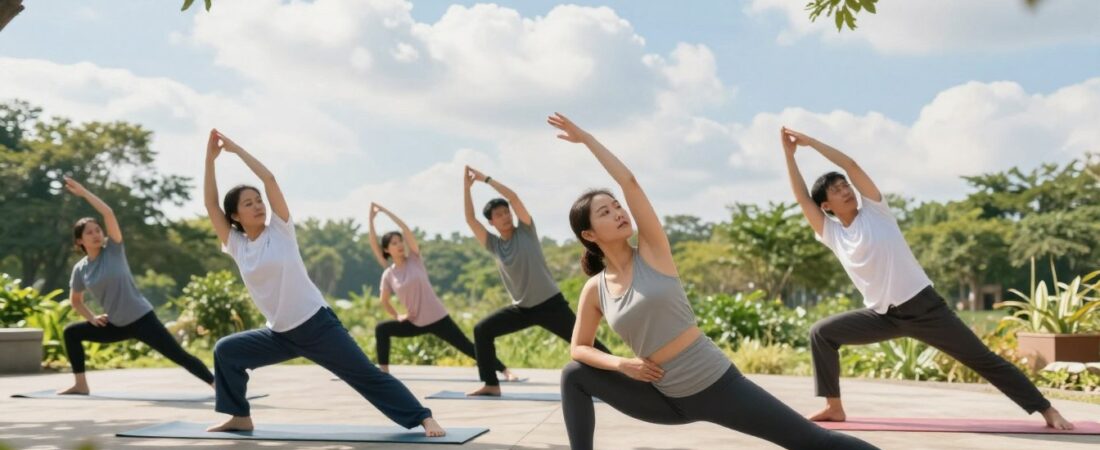
Do you often wish your body moved with ease during daily tasks? Many people assume that physical agility is a trait you are born with, but that is simply not true. True mobility is a skill that anyone can develop with patience.
You do not need special genetics to improve your physical state. By adopting consistent habits, you can transform how your body functions. This journey is about building a foundation that helps you move through life with confidence.
Our guide provides the essential knowledge to help you reach your goals. Start today to discover how simple changes lead to lasting results. You deserve to enjoy a body that supports your active lifestyle every single day.
Key Takeaways
- Mobility is a learned skill rather than a genetic gift.
- Consistency is the most important factor for progress.
- Small daily habits create significant long-term changes.
- Anyone can begin this journey regardless of current fitness levels.
- Focusing on foundational movements builds lasting confidence.
The Foundational Benefits of Pilates for Daily Movement
Pilates offers a unique path to physical freedom by focusing on the way your body functions as a whole. Engaging in a consistent Pilates practice helps you cultivate a deeper sense of control over your physical actions. This approach ensures that every movement you make is intentional, efficient, and supportive of your long-term health.
When you move with intention, you naturally improve mobility in your joints and muscles. Stretching during these sessions increases blood flow to your tissues, delivering vital oxygen and nutrients that keep your body functioning at its peak. By prioritizing these healthy movement patterns, you create a sustainable foundation for your daily activities.
Understanding the Mind-Body Connection
The core of this discipline lies in the deep link between your mental focus and physical execution. By concentrating on your breath and muscle engagement, you develop a heightened sense of body awareness. This connection allows you to identify areas of tension before they turn into chronic discomfort.
As you refine your Pilates practice, you learn to listen to your body’s signals. This awareness helps you adjust your movements to prevent strain and fatigue. Over time, this mental clarity translates into more fluid and graceful motion throughout your day.
How Pilates Transforms Your Posture
Many people struggle with stiffness caused by long hours of sitting or repetitive tasks. Correcting your alignment is the most effective way to break the cycle of pain caused by tight muscles. When you focus on better posture, you distribute your weight more evenly, which reduces unnecessary stress on your spine and neck.
Consistent training helps you maintain better posture even when you are not actively exercising. By strengthening the muscles that support your frame, you naturally stand taller and move with more confidence. Adopting these healthy movement patterns will help you improve mobility and maintain your physical independence for years to come.
| Feature | Sedentary Habits | Pilates Practice |
|---|---|---|
| Muscle Tension | High and chronic | Low and released |
| Joint Mobility | Stiff and limited | Fluid and flexible |
| Body Awareness | Minimal | High and intuitive |
| Energy Levels | Often sluggish | Consistent and vibrant |
Essential Equipment and Preparation for Your Practice
Your home practice starts long before you perform your first movement. Creating a dedicated area helps you transition from the stress of daily life into a focused state of mind. By preparing your surroundings, you ensure that every session remains productive and safe.
Choosing the Right Mat and Space
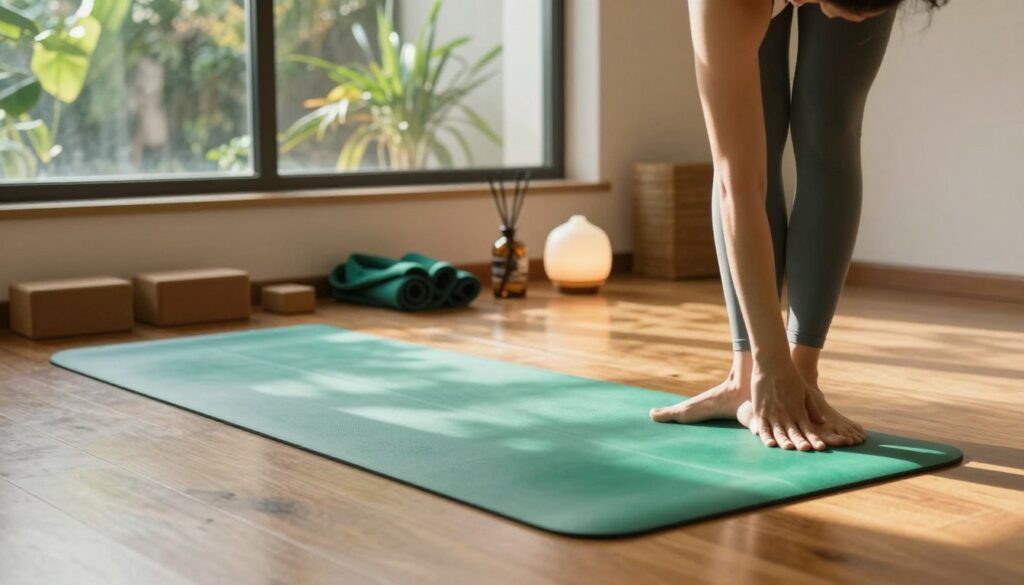
A high-quality mat is the most important tool for your success. Look for a surface that provides enough cushioning to protect your joints while remaining firm enough to offer stability. Stability is key when you are learning new movements.
Find a quiet corner in your home where you can move freely without bumping into furniture. Keeping this space clear of clutter allows you to focus entirely on your flexibility journey. When your environment is organized, your mind stays calm and ready for the work ahead.
Why Comfortable Clothing Matters
Wearing the right gear significantly impacts your ability to move through a full range of motion. Choose breathable, stretchy fabrics that move with your body rather than against it. Avoid clothes that are too loose, as they can get in the way during complex transitions.
Proper attire helps you monitor your alignment during each exercise. When you feel comfortable, you can pay closer attention to your form. This focus is essential for improving your physical performance over time.
Setting Realistic Goals for Your Flexibility Journey
Success in any wellness routine relies on setting achievable milestones. Start by committing to small, consistent sessions rather than intense, infrequent workouts. Remember that holding a stretch for at least 20-30 seconds is highly effective for muscle release and long-term gains.
Tracking your progress helps you stay motivated as you see your physical performance improve. Prioritizing injury prevention by listening to your body will keep you consistent for years to come. By setting these realistic goals, you ensure that your flexibility journey remains a positive and sustainable part of your life.
Feel Stronger Lighter and More Flexible Through Core Engagement
Unlocking your body’s potential starts deep within your center. By prioritizing core engagement, you create a solid foundation that allows you to move with grace and ease. This practice is the key to helping you feel stronger, lighter, and more flexible in every aspect of your daily life.
When you focus on your center, you naturally improve your posture and balance. This shift helps you maintain healthy movement patterns that protect your joints and muscles from unnecessary strain. As you become more consistent, you will notice that simple tasks feel much less demanding.
The Role of the Powerhouse in Stability
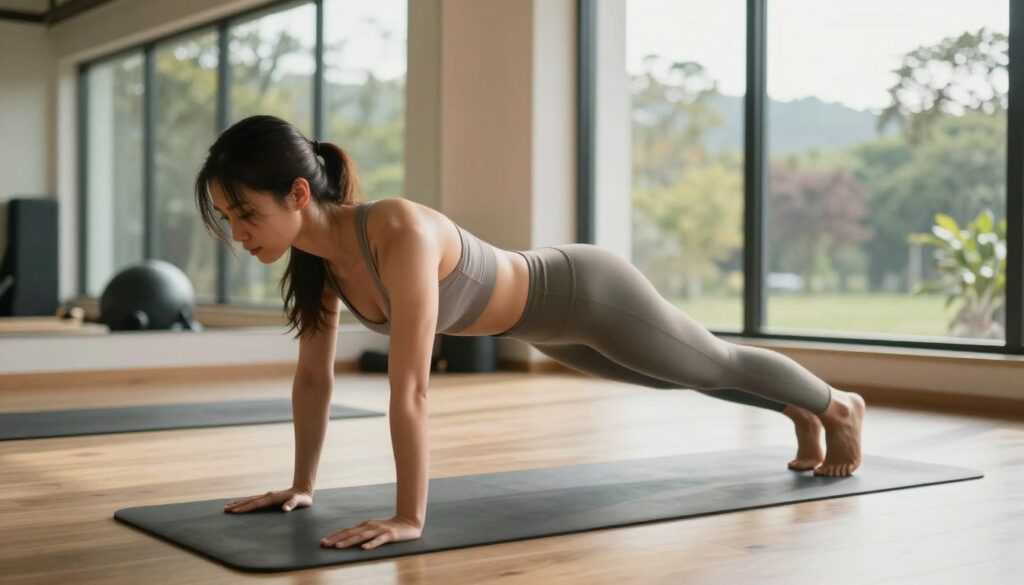
In this practice, your core is often referred to as the “powerhouse.” It acts as the central engine that supports your spine and stabilizes your limbs during motion. A strong powerhouse ensures that your movements are controlled rather than erratic.
When your center is active, it provides the necessary support for your limbs to move freely. This stability is essential for reducing stiffness and preventing common injuries. By keeping your powerhouse engaged, you build a resilient body that can handle the challenges of a busy day.
Techniques for Proper Breathing During Movement
Breathing is not just a biological necessity; it is a tool for better movement. Proper breath control helps you stay relaxed while your muscles work hard. When you coordinate your inhales and exhales with your physical actions, you enhance the quality of every repetition.
Try to inhale deeply through your nose to expand your ribcage, then exhale fully through your mouth. This rhythmic breathing helps you maintain deep abdominal activation throughout your entire workout. It also helps calm your nervous system, allowing you to move with greater confidence.
Exercises to Activate Your Deep Abdominal Muscles
To truly benefit from your practice, you must learn to target the deep muscles that support your spine. Simple movements like the “pelvic curl” or “hundreds” are excellent for waking up these dormant areas. These exercises focus on precision rather than speed, ensuring that you build lasting strength.
Remember that dynamic stretching often works best when paired with these activation exercises. By preparing your joints through gentle movement, you minimize the risk of injury. Start slowly, listen to your body, and enjoy the process of becoming more capable and agile every single day.
Targeting Stiffness with Dynamic Stretching Sequences
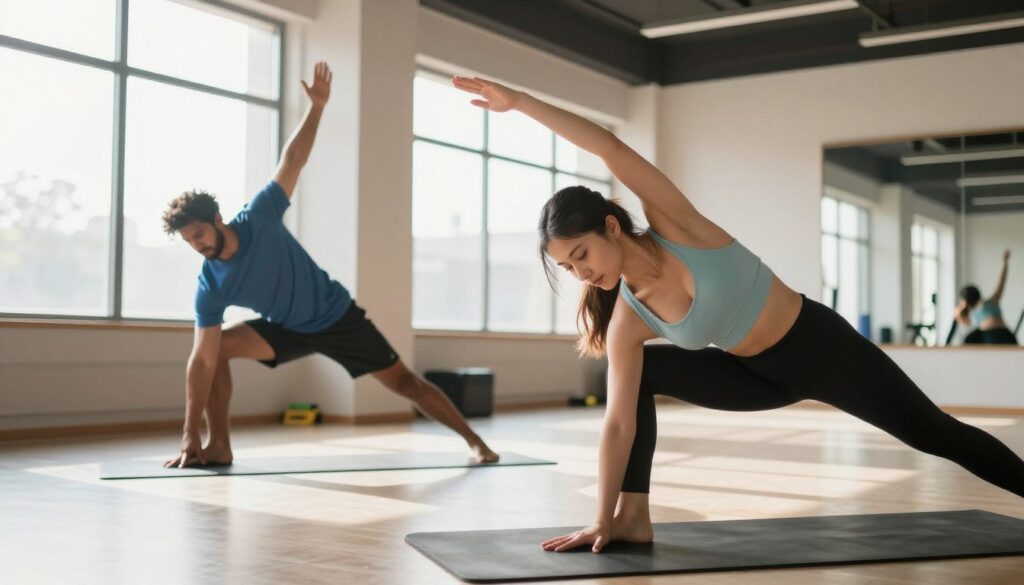
Incorporating fluid motion into your routine is the best way to reduce stiffness and improve your overall flexibility. Before you begin any deep stretching, it is vital to ensure your muscles are properly warmed up. Gentle movement prepares your body for deeper work and helps prevent injury.
Releasing Tension in the Shoulders and Neck
Many of us carry significant muscle tension in our upper body due to long hours at a desk. Simple movements like shoulder rolls and gentle neck tilts can provide immediate relief. By moving through these ranges of motion, you encourage blood flow to tight areas.
Try performing slow, controlled circles with your shoulders to loosen the traps. Follow this with a soft ear-to-shoulder stretch to lengthen the neck muscles. Consistent practice helps you maintain a relaxed posture throughout the day.
Opening Up the Hips for Better Mobility
The hips are often a storage center for stress and tightness. Dynamic movements like leg swings or controlled lunges help to reduce stiffness in the hip flexors and glutes. These exercises are essential for anyone looking to improve their gait and overall comfort.
Focus on keeping your movements smooth rather than jerky. When you open your hips, you create more space for your legs to move freely. This increased mobility makes everyday activities feel much lighter and more natural.
Spinal Articulation Exercises to Reduce Back Pain
Your spinal health depends on the ability of your vertebrae to move independently. Exercises that emphasize spinal articulation, such as the cat-cow stretch, are perfect for keeping the back supple. These movements gently massage the muscles along the spine to alleviate persistent discomfort.
Focus on moving one vertebra at a time rather than arching your back all at once. This mindful approach to spinal health ensures that you are targeting the deep muscles that support your posture. By releasing muscle tension in the back, you will feel more energized and capable in your daily life.
Developing Body Awareness Through Controlled Motion
Building a stronger, more flexible body starts with the quiet work of developing keen body awareness. When you learn to observe how your limbs move in relation to your core, you gain the ability to refine every action you take. This mental connection is the bridge between simple exercise and true physical transformation.
Focusing on Alignment and Precision
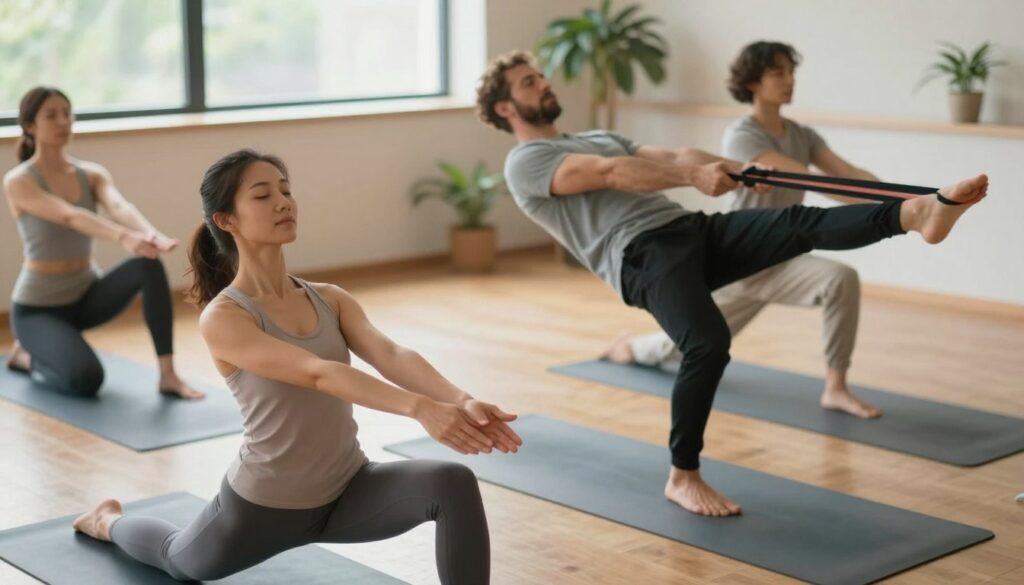
Precision is the hallmark of an effective practice. By focusing on your joint alignment, you ensure that your skeleton supports your weight correctly rather than relying solely on your muscles. This shift in perspective is essential for achieving better posture over the long term.
When you move with intention, you stop rushing through your routine. You begin to notice the subtle imbalances that often go ignored during high-intensity workouts. Taking the time to adjust your form allows your body to function at its highest potential.
The Importance of Slow and Intentional Repetitions
Many people believe that faster movement leads to faster results, but the opposite is often true. Slow, deliberate repetitions allow you to identify and release deep-seated muscle tension that accumulates throughout the day. By slowing down, you give your nervous system the space to learn new, healthier movement patterns.
Remember that consistency is far more effective than intensity when you want lasting results. You do not need to push your body to the point of exhaustion to see progress. Instead, focus on the quality of each movement to build a foundation that lasts.
Listening to Your Body to Prevent Overexertion
Developing body awareness also means knowing when to pull back. Your body often sends subtle signals before a minor ache turns into a significant injury. Learning to interpret these cues is a vital skill for any fitness journey.
If a movement feels forced or painful, give yourself permission to modify it. By listening to your physical limits, you ensure that your practice remains sustainable for years to come. Staying mindful prevents overexertion and keeps your motivation high as you continue to grow stronger.
Integrating Pilates into Your Busy Lifestyle
Small, intentional shifts in your daily schedule can lead to massive improvements in how you feel. You do not need hours of free time to see real changes in your body. By making these adjustments, you can effectively reduce stiffness and maintain your progress even on your busiest days.
Creating a Consistent Morning Routine
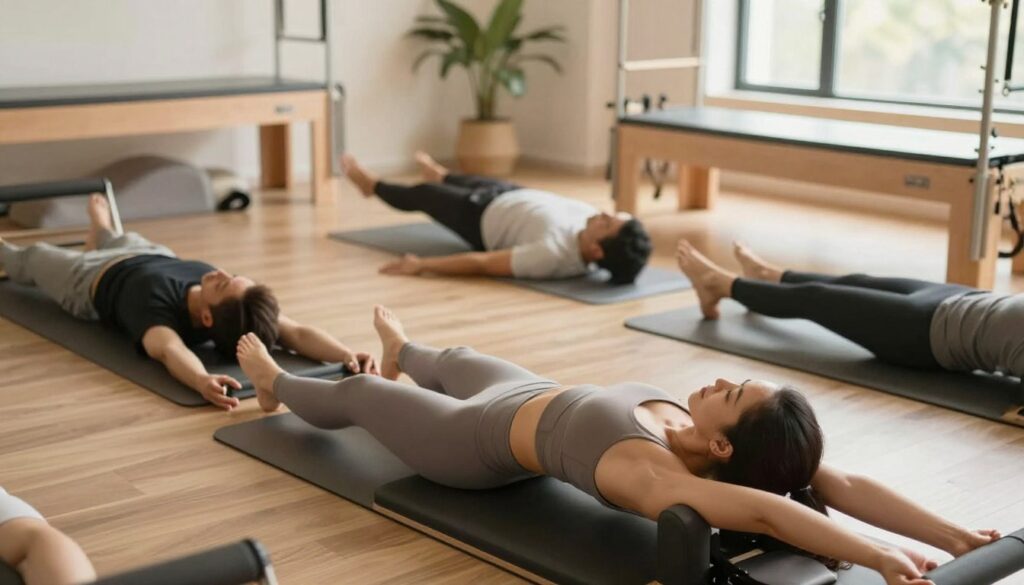
Starting your day with movement sets a positive tone for everything that follows. A consistent routine helps anchor your habits, making it harder to skip your session when life gets hectic. You might begin with a simple five-minute warm-up, such as a brisk walk, to prepare your muscles for activity.
“The secret of getting ahead is getting started.”
Short Workouts for Mid-Day Energy Boosts
When the afternoon slump hits, a quick Pilates practice can be the perfect antidote. You do not need a full hour to reap the rewards of controlled movement. Even ten minutes of focused core work can improve your physical performance and sharpen your mental clarity for the rest of the day.
Modifying Exercises for Different Skill Levels
Every body is unique, and your workout should reflect your current needs. Whether you are a beginner or an advanced practitioner, you can adjust movements to ensure safety and effectiveness. Use the table below to see how you can scale your efforts to reduce stiffness and improve your physical performance over time.
| Exercise Type | Beginner Modification | Advanced Variation |
|---|---|---|
| Core Stability | Knee folds | Double leg stretch |
| Spinal Mobility | Cat-cow stretch | Full spinal roll-up |
| Leg Strength | Side-lying lifts | Side-lying circles |
Maintaining a consistent routine is the ultimate key to success. By listening to your body and choosing the right intensity, you ensure that your Pilates practice remains a sustainable part of your life. Stay patient, stay focused, and enjoy the journey toward a stronger, more flexible you.
Tracking Your Progress and Celebrating Milestones
Celebrating small wins is essential for maintaining a long-term commitment to your health. When you dedicate time to your flexibility journey, it is easy to overlook the subtle shifts happening within your muscles and joints. By keeping a simple log, you can visualize your growth and stay motivated even on days when progress feels slow.
Monitoring Improvements in Range of Motion
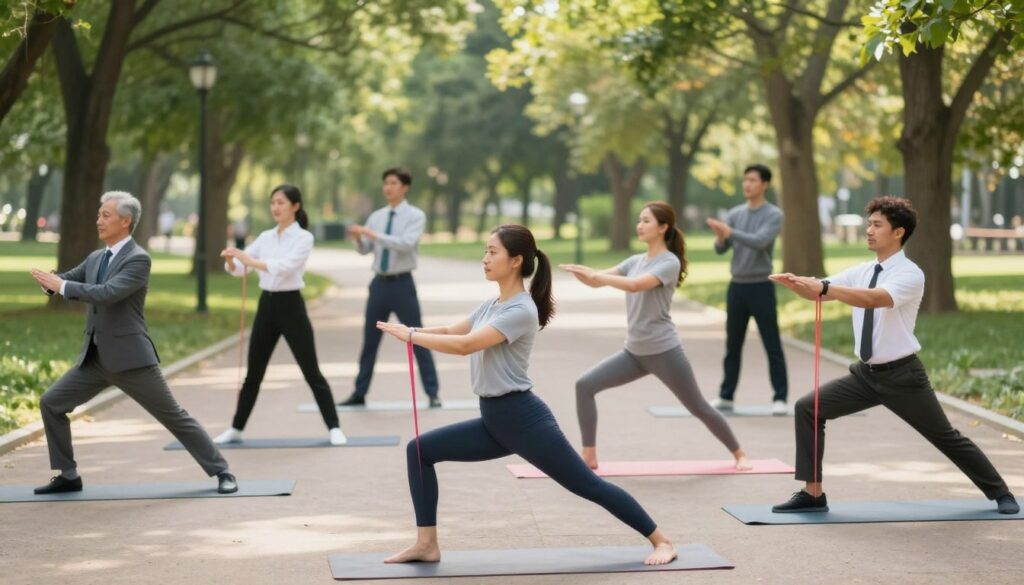
It is important to remember that it can take several weeks of daily effort to see big changes in your range of motion. Do not get discouraged if your reach does not increase overnight. Instead, focus on the quality of your movement and how much easier it feels to perform daily tasks.
You might notice that reaching for a high shelf or bending down to tie your shoes becomes significantly more fluid. These functional improvements are the best indicators that you are successfully working to improve mobility. Documenting these moments helps you recognize that your hard work is yielding real results.
Noting Changes in Daily Energy Levels
As you develop greater body awareness, you will likely notice a positive shift in your overall energy. Pilates is not just about physical stretching; it is about connecting with your breath and calming your nervous system. Many practitioners report feeling more alert and less fatigued after a session.
Pay attention to how your body feels during the hours following your practice. If you feel more vibrant and focused, you are on the right track. This heightened sense of vitality is a clear sign that your body is responding well to the stimulus of your training.
Adjusting Your Routine as You Get Stronger
A consistent routine is the backbone of any successful fitness plan, but it should also be flexible. As your strength increases, you may find that certain exercises become too easy or no longer challenge your muscles. It is time to introduce more advanced variations or increase the duration of your holds.
Regularly assessing your performance allows you to tailor your workouts to your current needs. This proactive approach ensures that you continue to improve mobility without hitting a plateau. Use the following table to track your weekly progress and keep your momentum high.
| Metric | Beginner Level | Intermediate Level | Advanced Level |
|---|---|---|---|
| Range of Motion | Limited reach | Moderate extension | Full fluid range |
| Core Stability | Basic engagement | Controlled movement | Advanced endurance |
| Body Awareness | Learning cues | Mindful alignment | Intuitive control |
Common Mistakes to Avoid for Safer Practice
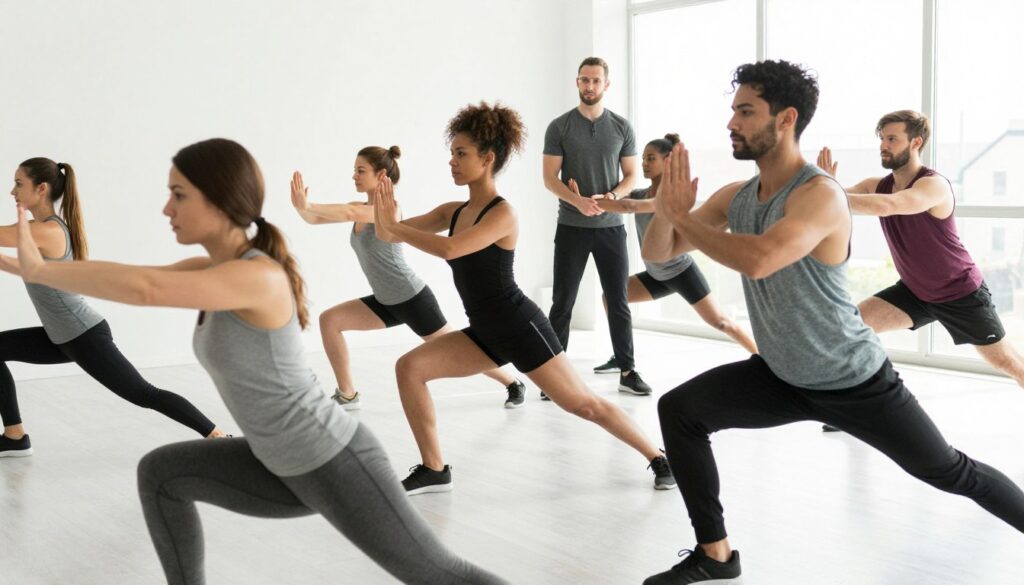
Prioritizing safety during your sessions is the most effective way to ensure long-term success and physical longevity. By paying close attention to your form, you protect your body while maximizing the benefits of every movement. Refining your technique helps you build a sustainable routine that supports your wellness goals.
Avoiding Hyperextension in Joints
One of the most frequent errors involves locking your joints, which can lead to unnecessary strain. Joint alignment is vital for distributing weight evenly across your muscles rather than your ligaments. Instead of pushing to the absolute end of your range, keep a micro-bend in your elbows and knees.
Furthermore, avoid bouncing during any stretch. Bouncing triggers the stretch reflex, which causes your muscles to tighten up defensively. This habit is counterproductive to injury prevention and can lead to micro-tears in the soft tissue.
Maintaining Proper Neck Alignment
Your head is heavy, and placing it in an awkward position puts significant stress on your cervical spine. To protect your spinal health, imagine a string pulling the crown of your head toward the ceiling. Keep your gaze steady and avoid tucking your chin too deeply or tilting your head back excessively.
When performing floor work, ensure your neck remains a natural extension of your spine. If you feel tension building in your shoulders, take a moment to reset your posture. A neutral neck position is essential for maintaining balance and flow throughout your practice.
Ensuring Consistent Core Support Throughout Movements
Many people forget to engage their midsection once they start moving their limbs. Core engagement acts as a protective corset for your torso, shielding your lower back from strain. Always initiate your movements from this deep center to maintain stability.
Consistent support requires you to breathe deeply while keeping your abdominal muscles active. If you find your breath becoming shallow, it is often a sign that you have lost your connection to your center. Focus on drawing your navel toward your spine to keep your spinal health in check during every repetition.
| Common Mistake | Corrective Action | Benefit |
|---|---|---|
| Locking joints | Maintain a micro-bend | Better joint alignment |
| Bouncing in stretches | Hold steady, controlled poses | Improved injury prevention |
| Collapsing the core | Active abdominal engagement | Enhanced core engagement |
| Straining the neck | Keep a neutral, long spine | Optimal spinal health |
Conclusion
Building a stronger, lighter, and more flexible body remains a rewarding journey rooted in consistency. Every movement you perform with intention serves as a vital investment in your long-term physical health.
You possess the tools to transform your daily experience through mindful practice. Small adjustments to your routine create significant shifts in how you move through the world. Your commitment to these habits builds a foundation for comfort that lasts for years.
Pay close attention to the signals your body sends during each session. This awareness allows you to refine your technique and protect your joints while you grow stronger. Enjoy the process of discovering what your body can achieve with patience and dedication.
Share your experiences with friends or join a local community to stay motivated. Your progress inspires others to prioritize their own well-being. Keep moving with purpose and celebrate the freedom that comes with a balanced, capable body.