

Deep within your body, ancient emotional patterns lie dormant. These patterns carry the weight of years, sometimes decades, of unprocessed feelings and unresolved pain. They shape how you respond to life, how you connect with others, and how you perceive yourself. The journey of healing these patterns is not merely about feeling better. It is about reclaiming your authentic self and restoring harmony within every layer of your being.
Your heart remembers what your mind has forgotten. Emotional wounds from the past continue to influence your present, creating patterns that repeat until they are finally seen, acknowledged, and released. This sacred work of healing touches the body, heart, and soul simultaneously. It requires courage, compassion, and a willingness to journey into the depths of your inner landscape.
The path to emotional freedom begins with becoming aware of these hidden patterns. As you embark on this transformative journey, you open the door to profound healing, spiritual growth, and a renewed sense of wholeness. Each step forward brings you closer to the peace and empowerment that is your birthright.
Understanding Ancient Emotional Patterns and Their Origins
Ancient emotional patterns are deeply embedded responses that formed during significant moments in your life. These patterns often developed as survival mechanisms during times of pain, fear, or overwhelming emotions. Your psyche created these responses to protect you, to help you navigate difficult circumstances when you had limited resources or support.
The origins of these patterns can be traced back to early childhood experiences, traumatic events, or prolonged periods of stress and emotional neglect. A child who learned that expressing sadness led to rejection may develop a pattern of suppressing grief well into adulthood. Someone who experienced abandonment might create patterns of emotional withdrawal to avoid the pain of future loss.
How Patterns Form in the Body
Your body stores emotional experiences in its tissues, nervous system, and cellular memory. When emotions are too intense to process fully, they become trapped in the body. Over time, these stored emotions create physical tension, chronic pain, and energy blockages. The body becomes a living archive of your emotional history.
This somatic storage explains why certain physical sensations can trigger emotional reactions. A tightness in your chest might signal anxiety patterns formed years ago. Tension in your shoulders could hold the weight of responsibilities you carried long before becoming aware of the burden.
The Mind-Heart Connection
Your mind and heart work together to maintain emotional patterns. The mind creates stories and beliefs that justify these patterns, while the heart holds the feelings associated with them. This partnership keeps patterns alive even when they no longer serve your wellbeing or purpose in life.
Breaking this cycle requires bringing awareness to both the mental narratives and the emotional experiences. When you begin to question the stories your mind tells and feel the emotions your heart carries, healing becomes possible. The patterns that once protected you can finally be released with compassion and acceptance.
Begin Your Healing Practice: Understanding is the first step toward transformation. To deepen your awareness and begin releasing these patterns, we’ve created a guided meditation specifically designed to help you connect with and release ancient emotional wounds. This practice combines gentle breathwork, body awareness, and energy healing techniques.
The patterns you carry are not your fault. They formed from a place of necessity and survival. Recognizing this truth allows you to approach your healing journey with self-compassion rather than judgment. Every pattern served a purpose at one time. Now, you have the capacity and support to create new, healthier responses that honor your authentic self.
Recognizing Emotional Patterns in Your Life
Becoming aware of your emotional patterns is essential for healing. These patterns often operate beneath conscious awareness, influencing your reactions, relationships, and life choices. Learning to recognize the signs of these patterns brings them into the light where transformation can occur.

Common Signs of Unhealed Emotional Patterns
Your body, emotions, and behaviors offer clues about the patterns you carry. Physical symptoms like chronic tension, digestive issues, or unexplained fatigue can signal unprocessed emotions. Emotional signs include recurring feelings of anxiety, anger, or sadness that seem disproportionate to current circumstances.
Relationship patterns provide another window into your emotional landscape. Do you repeatedly attract similar partners who trigger the same pain? Do you find yourself withdrawing when intimacy deepens? These recurring dynamics point to deeper patterns seeking resolution and acceptance.
Physical Indicators
Your body speaks the language of emotions through physical sensations and symptoms. Pay attention to these messages.
- Chronic muscle tension or pain
- Digestive problems without clear medical cause
- Frequent headaches or migraines
- Sleep disturbances or insomnia
- Unexplained fatigue or low energy
Emotional Indicators
Emotional patterns reveal themselves through recurring feelings and reactions that feel beyond your control.
- Intense reactions to minor triggers
- Difficulty regulating emotions
- Persistent feelings of sadness or grief
- Chronic anxiety or worry
- Emotional numbness or disconnection
Behavioral Patterns
Your actions and choices often reflect deeper emotional patterns that shape your life experiences.
- Self-sabotaging behaviors
- Avoiding intimacy or vulnerability
- People-pleasing at your own expense
- Perfectionism and harsh self-criticism
- Difficulty setting boundaries
Relationship Dynamics
The patterns in your relationships mirror your internal emotional landscape and unhealed wounds.
- Attracting unavailable partners
- Repeating conflicts across relationships
- Fear of abandonment or rejection
- Difficulty trusting others
- Codependent relationship patterns
The Role of Triggers in Pattern Recognition
Triggers are powerful teachers on the healing journey. When something or someone triggers an intense emotional reaction, it points directly to an unhealed pattern. Rather than avoiding triggers, you can learn to welcome them as opportunities for awareness and healing.
A trigger activates the emotional charge stored within a pattern. The intensity of your reaction often indicates how much healing the pattern needs. By observing your triggers with curiosity instead of judgment, you gain valuable insight into the wounds that require your compassionate attention and acceptance.
Awareness Practice: Keep a journal noting when you experience strong emotional reactions. Record what happened, how you felt in your body, the emotions that arose, and any memories or associations that surfaced. Over time, you’ll notice patterns emerging that reveal the deeper work calling for your attention.
Recognition is not about judgment or fixing yourself. You are not broken. These patterns developed as intelligent responses to difficult circumstances. Seeing them clearly allows you to appreciate the protection they offered while also recognizing that you now have other options. Your awareness creates the foundation for healing and transformation.
The Impact of Unhealed Patterns on Your Wellbeing
Unhealed emotional patterns affect every aspect of your life. They influence your physical health, mental clarity, emotional stability, and spiritual connection. Understanding these impacts helps you recognize why healing this ancient pain is so essential for your overall wellbeing and quality of life.
Physical Health Consequences
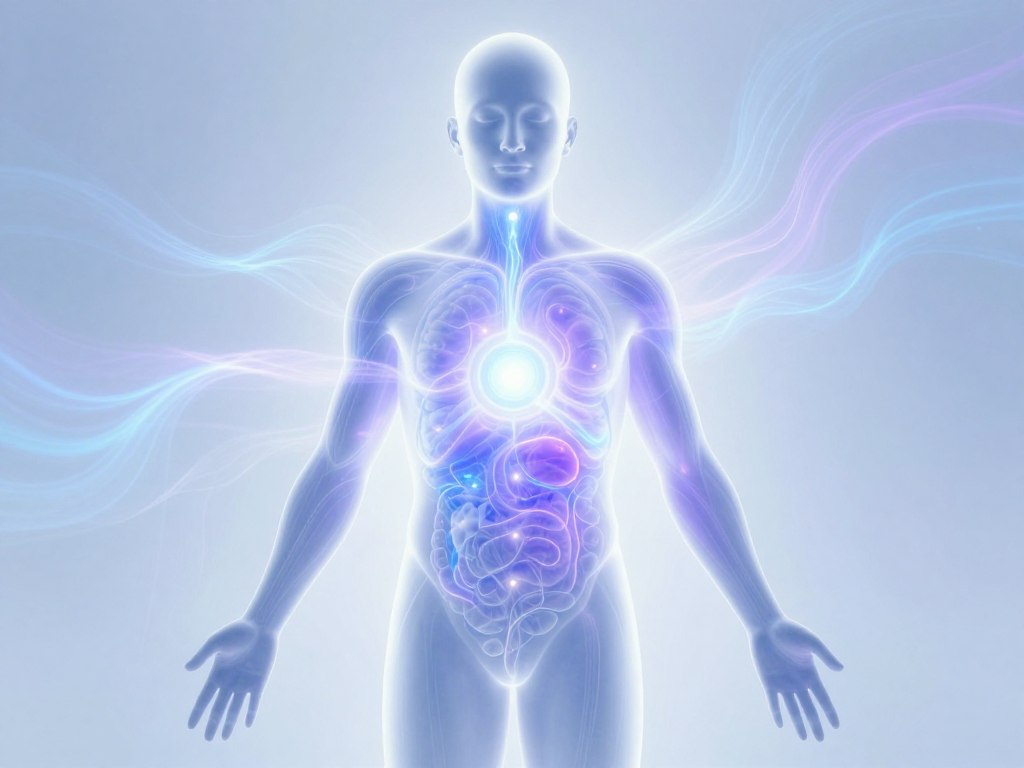
Your body bears the burden of unprocessed emotions. Research shows that chronic emotional stress contributes to inflammation, weakened immune function, and various health problems. The tension you carry from emotional patterns can manifest as physical illness over time.
When you hold onto anger, your body remains in a state of activation. When you suppress grief, your heart closes and your breath becomes shallow. These physiological responses, repeated over years, take a toll on your body. Healing emotional patterns can lead to significant improvements in physical health and energy levels.
Mental and Emotional Effects
Unhealed patterns cloud your mind with repetitive thoughts, worries, and limiting beliefs. They create mental loops that keep you stuck in the past or anxious about the future. This mental noise prevents you from experiencing clarity, peace, and presence in your daily life.
Emotionally, these patterns limit your capacity to feel joy and connection. When significant energy is devoted to managing old pain, less remains available for experiencing positive emotions. You may find yourself feeling numb, disconnected, or unable to fully open your heart to others or to life’s beauty.
- Difficulty concentrating or making decisions
- Persistent negative self-talk and self-criticism
- Reduced capacity for joy and pleasure
- Emotional reactivity and mood swings
- Feelings of emptiness or meaninglessness
- Anxiety about the future based on past pain
- Depression stemming from unresolved grief
Impact on Relationships and Connection
Perhaps the most profound impact of unhealed patterns appears in your relationships. These patterns create walls between you and others, making genuine intimacy and connection difficult. You may long for closeness while simultaneously pushing people away, caught in a pattern formed long ago.
Your relationships become mirrors reflecting your unhealed wounds. The same conflicts arise with different people. You attract partners who activate your patterns, creating opportunities for healing that you may not recognize. Without awareness, these relationship cycles continue, causing pain for yourself and others.
Trust becomes difficult when past betrayals remain unhealed. Vulnerability feels dangerous when you carry wounds from earlier times when opening your heart led to pain. These protective mechanisms, while understandable, prevent the deep connections your soul craves and needs for wholeness.
Healing your patterns transforms your relationships. As you release old pain, you create space for authentic connection. You become able to respond to others from your present awareness rather than reacting from past wounds. This shift brings profound changes to all your relationships, beginning with your relationship to yourself.
Spiritual Disconnection
Unhealed emotional patterns can create disconnection from your spiritual essence and purpose. When significant energy is bound up in managing pain, your capacity to connect with deeper meaning diminishes. You may feel lost, without direction, or cut off from the sense of purpose that once guided you.
These patterns can block your intuition and inner knowing. The noise of unhealed emotions drowns out the quiet voice of your soul. You may struggle to access the wisdom, guidance, and peace that arise from your spiritual connection. Healing creates space for this connection to be restored and strengthened.
The journey of emotional healing is also a spiritual path. As you release ancient patterns, you reconnect with your authentic self. You remember who you truly are beneath the layers of protection and pain. This remembering is the foundation of spiritual awakening and the restoration of harmony within your being.
The Healing Journey: Stages and Processes
Healing ancient emotional patterns unfolds through natural stages. Understanding this journey helps you navigate the process with greater ease and self-compassion. Each stage serves an important purpose in your transformation, bringing you closer to wholeness and emotional freedom.

Stage One: Awareness and Acknowledgment
The journey begins when you become aware that something needs attention. You recognize patterns in your life that no longer serve you. This awareness often arrives through pain, crisis, or a growing sense that life could be different. It takes courage to see what you have been avoiding.
Acknowledgment follows awareness. You admit to yourself that these patterns exist and that they impact your life. This step may seem simple, but it requires tremendous honesty. Many people spend years, even decades, denying or minimizing their emotional wounds. Acknowledgment is the doorway to healing.
During this stage, you might feel overwhelmed by what you discover. Emotions that have been suppressed for years may surface. Remember that this emergence is part of the healing process. Your feelings are not a sign that something is wrong. They are evidence that healing has begun.
Stage Two: Feeling and Processing
Once you acknowledge your patterns, the work of feeling and processing begins. This stage involves allowing yourself to experience the emotions you have been avoiding. You create safe space to feel anger, grief, fear, and sadness without judgment or the need to make them go away immediately.
Processing emotions means moving through them rather than around them. You learn that feelings are temporary experiences that pass when given attention and acceptance. You discover that the emotions you feared would destroy you can actually be felt, understood, and released when approached with compassion.
- Allowing emotions to surface naturally
- Creating safe containers for expression
- Seeking support when needed
- Practicing self-compassion throughout
- Honoring your own pace and timing
- Using body-based practices for release
Healthy Processing Includes
- Forcing emotions before you feel safe
- Processing alone when support is needed
- Using substances to numb feelings
- Judging yourself for having emotions
- Rushing through the process
- Staying stuck in emotions without moving through
Avoid These Common Pitfalls
Stage Three: Understanding and Integration
As you process emotions, understanding naturally emerges. You begin to see how your patterns formed, why they made sense at the time, and how they have been protecting you. This understanding brings compassion for yourself and others involved in your story.
Integration happens when you take the insights gained from healing and incorporate them into your daily life. You develop new responses to old triggers. You make different choices in relationships. You treat yourself with greater kindness. The wisdom from your healing journey becomes part of who you are.
This stage requires patience and practice. Old patterns have strong neural pathways in your brain. Creating new patterns takes time and repetition. Be gentle with yourself when you fall back into old ways. Each time you choose differently, you strengthen the new path.
Stage Four: Release and Transformation
Release occurs when you finally let go of the emotional charge attached to old wounds. The memories may remain, but they no longer trigger the same intense reactions. You can recall difficult experiences without being overwhelmed by the emotions associated with them. This is true freedom.
Transformation follows release. You notice that your life begins to change in tangible ways. Relationships improve. Physical symptoms ease. You feel more energy and joy. The space once occupied by pain now fills with presence, peace, and possibility. You recognize yourself as the author of your own life story.
This stage brings a sense of empowerment and renewed purpose. You understand that while you cannot change the past, you have complete power over how you respond in the present. You recognize your resilience and strength. You feel gratitude for the journey, even the painful parts that brought you to this place of wholeness.
Stage Five: Embodiment and Living from Wholeness
The final stage involves embodying the healing you have achieved. You live from a place of wholeness rather than woundedness. Your choices reflect your authentic self rather than protective patterns. You move through life with greater ease, presence, and capacity for joy and connection.
This does not mean you will never face challenges or feel difficult emotions again. It means you have developed the capacity to meet life’s difficulties from a centered, grounded place. You trust yourself to navigate whatever arises. You know how to access support when needed. You have faith in the healing process because you have experienced its transformative power.
Your Healing Journey Deserves Sacred Support
Navigating these stages of healing is profound work that benefits from compassionate guidance and support. You don’t have to walk this path alone. Our personalized healing sessions combine ancient wisdom with modern therapeutic approaches to support you at every stage of your journey. Discover how one-on-one guidance can accelerate your healing and help you reclaim the harmony, peace, and joy that are your birthright.
Remember that healing is not linear. You may move through these stages multiple times for different patterns or layers of the same pattern. Each cycle brings you to a deeper level of healing and integration. Trust the process and honor your unique journey toward wholeness.
Healing Practices for Releasing Emotional Patterns
Practical tools and practices support your healing journey. These approaches work with the body, heart, and mind to release old patterns and create new, healthier responses. Experiment with different practices to discover what resonates most deeply with your unique needs and path.
Somatic and Body-Based Practices
Your body holds the key to releasing stored emotions. Somatic practices help you access and process feelings that have been trapped in your physical form. These approaches recognize that healing must include the body, not just the mind.

Breathwork is one of the most powerful tools for emotional release. Conscious breathing activates the parasympathetic nervous system, creating safety for emotions to surface and move through. Different breathing patterns can help you access and release specific emotional states held in the body.
Movement practices like yoga, dance, and qigong allow emotions to flow and release through physical expression. As you move your body with awareness, you create space for stuck energy to shift. Many people report emotional releases during or after movement practices as the body finally lets go of what it has been holding.
- Breathwork techniques for emotional regulation and release
- Gentle yoga focusing on hip openers and heart-opening poses
- Intuitive movement and expressive dance
- Progressive muscle relaxation for releasing tension
- Body scanning meditation to increase awareness
- Somatic experiencing therapy for trauma release
- Massage and bodywork for accessing stored emotions
Mindfulness and Meditation Practices
Mindfulness creates the awareness needed for healing. When you practice observing your thoughts, emotions, and body sensations without judgment, you develop the capacity to witness your patterns rather than being controlled by them. This witnessing presence is essential for transformation.
Meditation helps quiet the mind’s constant chatter, creating space to access deeper wisdom and feelings. Regular practice strengthens your capacity to be present with difficult emotions without being overwhelmed. You learn to create internal safety and regulation, which is fundamental for healing work.
Daily Mindfulness Practices
Incorporate these practices into your daily routine to build awareness and presence over time.
- Morning meditation setting intention for the day
- Mindful breathing breaks throughout the day
- Evening reflection and gratitude practice
- Eating meals with full presence and awareness
- Walking meditation in nature
Meditation for Emotional Healing
These specific meditation approaches support the release of emotional patterns.
- Loving-kindness meditation for self-compassion
- Body scan meditation for somatic awareness
- Visualization for releasing and transforming emotions
- Chakra meditation for energy healing
- Guided meditation for inner child healing
Therapeutic and Counseling Approaches
Professional therapy provides essential support for healing deep emotional wounds. A skilled therapist creates a safe container for exploring painful feelings and patterns. They offer tools, perspective, and compassionate presence as you navigate the healing journey.
Different therapeutic modalities offer various approaches to emotional healing. Some focus on understanding the origins of patterns through talk therapy. Others emphasize body-based or experiential techniques. Many therapists integrate multiple approaches to support the whole person in their healing process.
| Therapy Type | Primary Focus | Best For |
| Cognitive Behavioral Therapy (CBT) | Changing thought patterns and behaviors | Anxiety, depression, negative thinking patterns |
| EMDR (Eye Movement Desensitization) | Processing traumatic memories | PTSD, trauma, disturbing memories |
| Somatic Experiencing | Releasing trauma stored in the body | Trauma, chronic stress, body-based symptoms |
| Internal Family Systems (IFS) | Healing inner parts and self-leadership | Complex trauma, inner conflict, self-awareness |
| Psychodynamic Therapy | Understanding unconscious patterns | Relationship patterns, deep self-understanding |
Energy Healing and Spiritual Practices
Energy healing addresses the subtle dimensions of emotional patterns. These practices recognize that emotions exist not only in the physical body and mind but also in your energy field. Working with energy can facilitate profound shifts and release.
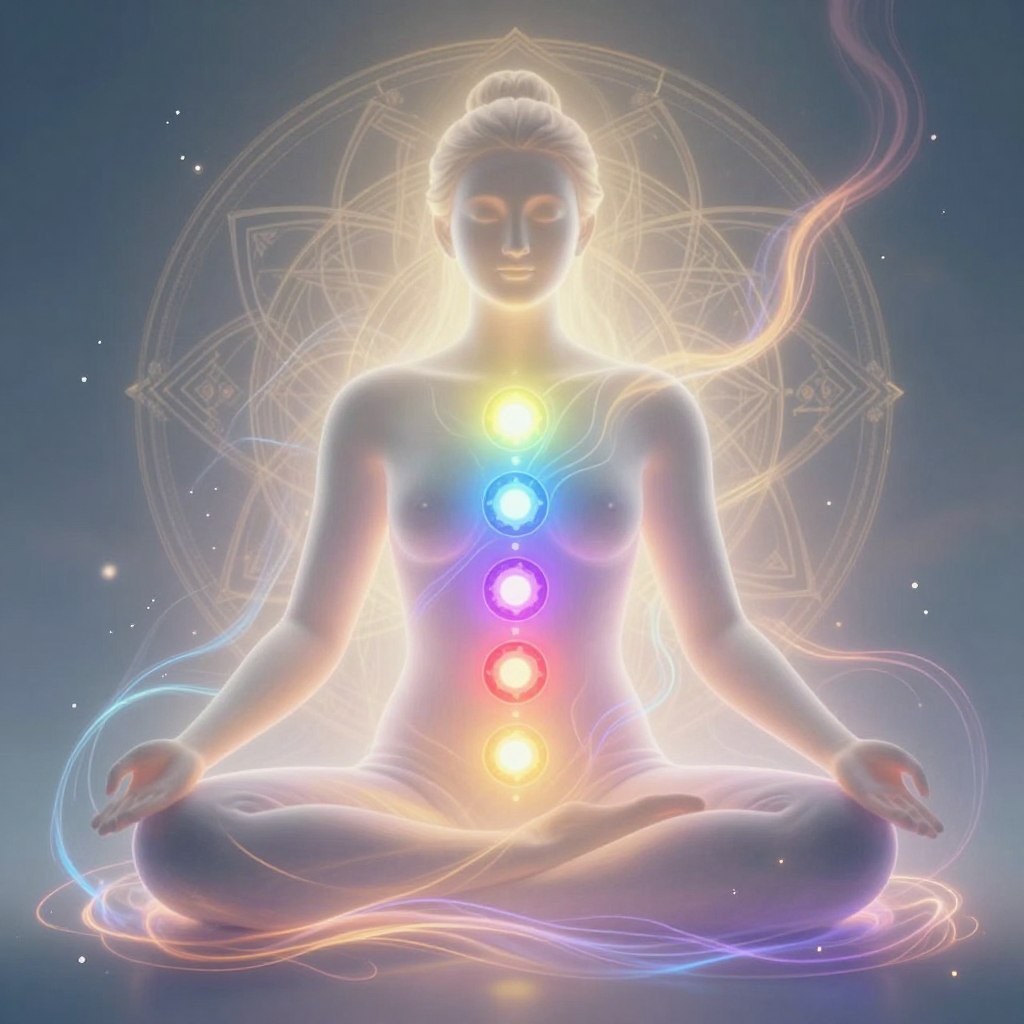
Practices like Reiki, acupuncture, and chakra healing help clear energetic blockages and restore flow. When energy moves freely through your system, emotional patterns lose their grip. Many people experience emotional releases during energy healing sessions as old patterns dissolve at the energetic level.
Spiritual practices connect you with something greater than your individual pain. Prayer, ritual, ceremony, and connection with nature can provide comfort, perspective, and healing energy. These practices remind you that you are part of a larger whole and that support is available from sources beyond the visible world.
- Develop a daily spiritual practice that resonates with your beliefs and values
- Work with energy healers or learn self-healing energy techniques
- Create personal rituals for releasing old patterns and inviting new energy
- Spend regular time in nature to ground and restore your energy
- Connect with spiritual community for support and shared practice
- Use crystals, essential oils, or other tools that support your energetic healing
Creative Expression and Journaling
Creative practices offer powerful channels for emotional expression and release. Art, writing, music, and other forms of creativity allow emotions to flow in ways that bypass the rational mind. You can express what you cannot yet put into words.
Journaling creates a safe space to explore your inner world. Writing about your feelings, patterns, and experiences helps you gain clarity and insight. The act of putting emotions on paper can itself be healing, creating distance from overwhelming feelings while honoring their presence.
Try stream-of-consciousness writing where you let words flow without editing or censoring. Draw or paint your emotions using colors and shapes. Move your body to music and notice what wants to be expressed. These creative practices access parts of yourself that rational analysis cannot reach.
Creative expression also connects you with joy and play, qualities that are essential for healing. As you engage your creative spirit, you remember capacities that may have been suppressed along with painful emotions. You rediscover the fullness of who you are beyond your wounds and patterns.
Weekly Healing Circle: Join our sacred community of women supporting each other through the healing journey. Each week, we gather virtually to practice healing techniques, share experiences, and hold space for one another’s growth. This is a nurturing environment where you can explore these practices with guidance and connection. You’ll receive tools, support, and the powerful medicine of being witnessed in your healing process.
Remember that different practices work for different people and different patterns. What helps one person may not resonate with another. Trust your intuition about which approaches call to you. Your inner wisdom knows what you need for your healing journey. Be willing to experiment while also being patient with the process.
The Essential Role of Self-Compassion in Healing
Self-compassion is not just helpful for healing emotional patterns. It is absolutely essential. Without compassion for yourself, healing becomes another form of self-judgment and criticism. With compassion, the entire journey transforms into an act of love and reclamation of your wholeness.

Understanding Self-Compassion
Self-compassion means treating yourself with the same kindness you would offer a dear friend who is suffering. It involves recognizing your pain without judgment, understanding that struggle is part of the human experience, and responding to yourself with warmth and care rather than harsh criticism.
Many people confuse self-compassion with self-pity or making excuses. In reality, self-compassion is empowering. It acknowledges the reality of your pain while also recognizing your strength and capacity to heal. It creates the safety needed for you to look at difficult truths about yourself and your life.
When you approach your emotional patterns with compassion, you can see them as attempts to protect yourself rather than character flaws. You understand that you did the best you could with the resources and awareness you had at the time. This shift in perspective opens the door to genuine healing and transformation.
Practicing Self-Compassion During Difficult Moments
The healing journey includes moments of intense difficulty, pain, and discouragement. These are precisely the times when self-compassion is most needed and often most challenging to access. Your old patterns may tell you that you deserve the pain or that you should be able to handle it alone.
In these moments, pause and place your hand on your heart. Take a few deep breaths and acknowledge that this is a moment of suffering. Remind yourself that difficulty is part of life and that you are not alone in struggling. Offer yourself words of kindness and encouragement, as you would to someone you love.
“You can be the witness of your pain without being the victim of your story. Self-compassion allows you to hold your suffering with tenderness while also recognizing your power to choose how you respond.”
Overcoming the Inner Critic
The inner critic is often one of the strongest patterns you carry. This harsh internal voice learned to protect you through criticism and control. It believes that being hard on yourself will keep you safe from failure, rejection, or pain. In reality, it perpetuates suffering and blocks healing.
Notice when your inner critic speaks. What does it say? Where did it learn these messages? Often, the critic’s voice echoes authority figures from your past. Recognizing this helps you understand that these are not truths about who you are. They are old programs that can be questioned and changed.
Rather than fighting with your inner critic, approach it with curiosity and compassion. Thank it for trying to protect you, and gently explain that you have other ways of keeping yourself safe now. Over time, as you practice self-compassion, the critic’s voice softens and eventually transforms into a supportive inner ally.
- Notice critical self-talk without judgment
- Question whether critical thoughts are actually true
- Reframe criticism into kind, supportive guidance
- Speak to yourself as you would to a beloved friend
- Acknowledge your efforts and progress, not just outcomes
- Practice forgiveness for perceived mistakes and imperfections
- Celebrate small steps forward on your healing path
Self-Compassion as a Foundation for Healthy Relationships
Your relationship with yourself sets the template for all other relationships in your life. When you treat yourself with compassion, you naturally extend this quality to others. You also become better able to recognize and accept genuine compassion from people in your life.
Self-compassion helps you establish healthy boundaries. When you value your own wellbeing, you can say no to relationships and situations that harm you. You recognize that caring for yourself is not selfish. It is necessary for your capacity to show up authentically in connection with others.
As you develop self-compassion, you may notice your relationships changing. Some connections deepen as you bring more authenticity and presence. Others may naturally fall away as you release patterns of codependency or people-pleasing. Trust this process. Your healing creates space for relationships that truly nourish your soul.
The practice of self-compassion is ongoing. It is not something you master once and never need again. Each new challenge, each layer of healing, each moment of difficulty offers an opportunity to choose kindness toward yourself. With practice, self-compassion becomes your natural response, creating a foundation of safety from which all healing can unfold.
Releasing Limiting Beliefs That Keep Patterns Alive
Emotional patterns are sustained by limiting beliefs about yourself, others, and life. These beliefs formed alongside your emotional wounds, creating a worldview that reinforces old patterns. Identifying and releasing these beliefs is crucial for lasting healing and transformation.
Common Limiting Beliefs and Their Origins
Limiting beliefs often sound like absolute truths in your mind. They include statements like “I am not worthy of love,” “The world is not safe,” “I cannot trust anyone,” or “I must be perfect to be accepted.” These beliefs formed during experiences when you needed to make sense of painful situations.
A child who experienced conditional love may develop the belief that love must be earned through achievement or good behavior. Someone who faced betrayal might conclude that people cannot be trusted. These beliefs made sense based on early experiences, even though they do not reflect the full truth of reality.

Beliefs About Self
- I am not enough as I am
- I am unlovable or unworthy
- I am broken or damaged
- I must be perfect to be acceptable
- My needs don’t matter
- I am responsible for others’ feelings
Beliefs About Others and Life
- People will always hurt me
- The world is dangerous and unsafe
- I cannot trust anyone
- Love always leads to pain
- I am alone in my struggles
- Change is not possible for me
Identifying Your Personal Limiting Beliefs
Your limiting beliefs operate mostly outside conscious awareness. They influence your thoughts, feelings, and choices without you realizing it. Bringing them into consciousness is the first step toward releasing their power over your life.
Pay attention to repetitive thoughts, especially those that arise during difficult moments. Notice the stories you tell yourself about why things happen. Listen for absolute language like “always,” “never,” “everyone,” or “no one.” These words often signal limiting beliefs at work.
Your emotions also point to underlying beliefs. Intense shame may indicate beliefs about your inherent worthlessness. Chronic anxiety might reflect beliefs about safety and control. Follow the emotional trail to discover the beliefs that sustain your patterns.
Belief Exploration Exercise: Complete these sentences as quickly as possible without thinking: “I am…”, “People are…”, “Life is…”, “Love is…”, “The world is…” Your first responses often reveal core beliefs operating beneath the surface of conscious thought.
Questioning and Transforming Limiting Beliefs
Once you identify a limiting belief, you can begin to question its validity. Ask yourself: Is this absolutely true? Can I know for certain that this is true? What evidence contradicts this belief? How does holding this belief impact my life? What would be possible if I released this belief?
Most limiting beliefs cannot withstand honest questioning. You will find exceptions, contradictions, and evidence that the belief is not universally true. This questioning creates space for new, more accurate and empowering beliefs to emerge.
Transforming beliefs is not about positive thinking or denying reality. It is about recognizing that your beliefs are interpretations, not facts. You can choose interpretations that serve your healing and growth rather than keeping you stuck in old patterns of pain and limitation.
| Limiting Belief | Empowering Alternative |
| I am not worthy of love | I am inherently worthy, and I am learning to receive love |
| I cannot trust anyone | I can learn to trust wisely and discern who is trustworthy |
| I must be perfect to be accepted | I am acceptable as I am, imperfections and all |
| The world is not safe | I can create safety within myself and find safe people and places |
| I am broken beyond repair | I am whole and capable of healing and growth |
Installing New Beliefs Through Practice
Releasing old beliefs and installing new ones requires consistent practice. Your neural pathways have been running the old belief program for years or decades. Creating new pathways takes time, repetition, and patience with yourself during the process.
Choose one empowering belief to work with at a time. Write it down and place it where you will see it daily. Speak it aloud to yourself each morning and evening. Notice when the old belief arises and consciously choose the new belief instead. Over time, the new belief becomes more automatic.
Embodiment practices help anchor new beliefs. When you state your new belief, feel it in your body. Stand in a posture that reflects the belief. Breathe it in deeply. The more you engage your whole being in the new belief, the more quickly it integrates into your lived experience.
Be patient with yourself during this process. Old beliefs will resurface, especially during stress or triggers. This does not mean you are failing. It is simply part of the rewiring process. Each time you choose the new belief, you strengthen its pathway. Celebrate these choices as victories in your healing journey.
Creating Safety and Support for Your Healing Journey
Healing deep emotional patterns requires a foundation of safety and support. You cannot do this work while feeling threatened or alone. Creating conditions that support your healing is not self-indulgent. It is essential for the nervous system regulation needed to process difficult emotions and experiences.
Building Internal Safety
Internal safety means developing your capacity to regulate your nervous system and create a sense of security within yourself. When you feel safe internally, you can approach difficult emotions and memories without becoming overwhelmed. This capacity is fundamental for healing work.
Grounding practices help you establish internal safety. These techniques bring your awareness into your body and the present moment, countering the tendency to dissociate or become lost in overwhelming emotions. Simple practices like feeling your feet on the ground or focusing on your breath can restore a sense of safety when you feel triggered.

- Practice deep belly breathing to activate the parasympathetic nervous system
- Use the 5-4-3-2-1 sensory grounding technique when feeling overwhelmed
- Develop a personal list of activities that help you feel safe and calm
- Create a physical space in your home that feels like a sanctuary
- Learn to recognize your body’s signals of safety versus threat
- Practice self-soothing techniques like gentle touch or comforting words
- Establish daily routines that provide structure and predictability
The Importance of Professional Support
While self-healing practices are valuable, professional support is often necessary for healing deep trauma and entrenched patterns. A trained therapist provides expertise, objective perspective, and a regulated nervous system that helps you stay present with difficult material. They create a safe container for exploring what feels too overwhelming to face alone.
Finding the right therapist is important. Look for someone who specializes in trauma and emotional healing, whose approach resonates with you, and with whom you feel safe and understood. The therapeutic relationship itself is healing. A good therapist will honor your pace, respect your autonomy, and support your innate capacity for healing.
Do not let shame or beliefs about having to be strong prevent you from seeking help. Asking for support is a sign of wisdom and self-awareness, not weakness. Professional guidance can accelerate your healing and help you avoid common pitfalls that occur when navigating this work alone.
Building a Support Network
Healing happens in connection. While some healing work is solitary, you also need relationships with people who can witness your process, offer encouragement, and remind you that you are not alone. Building a support network is essential for sustaining your healing journey over time.
Your support network might include trusted friends who understand your healing path, family members who respect your process, support groups with others on similar journeys, spiritual communities, and healing practitioners. Choose people who can hold space for your emotions without trying to fix you or minimize your experience.
Be discerning about who you share your healing process with. Not everyone will understand or support this work. Some people may feel threatened by your changes or try to pull you back into old patterns. This is not a judgment of them. It simply means they are not the right support for this aspect of your life.
As you heal, you may need to set boundaries with people who are not supportive. This can be painful, especially if these people are family members or long-time friends. Remember that protecting your healing is an act of self-love. The right people will respect your boundaries and support your growth.
Creating External Safety
External safety includes the physical environments, relationships, and life circumstances that support your healing. Assess your current life situation honestly. Are there relationships that consistently trigger your patterns or make you feel unsafe? Are there aspects of your work or living situation that need to change?
Making changes to create external safety may require difficult decisions. You might need to end or modify relationships, change jobs, move to a new location, or adjust how you spend your time and energy. These changes are investments in your healing and future wellbeing.
Start with changes that feel manageable. You do not need to transform your entire life overnight. Small adjustments that increase your sense of safety and reduce chronic stress can make a significant difference in your capacity to heal. As you build internal resources, you will feel more capable of making larger changes if needed.
Important Note on Safety: If you are in an actively abusive situation or experiencing severe mental health symptoms, please seek immediate professional help. Contact a therapist, domestic violence hotline, or mental health crisis service. Your safety is the foundation for all healing work.
Creating safety is an ongoing practice, not a one-time achievement. As you move deeper into healing, you may encounter new layers that require additional support. Continue to assess what you need and be willing to adjust your support systems as your journey unfolds. Your needs will change, and that is perfectly natural and healthy.
The Feminine Path of Emotional Healing and Wholeness
The feminine approach to healing honors intuition, receptivity, cyclical processes, and the wisdom of the body. This path recognizes that healing is not a linear progression but a spiral journey that revisits themes at deeper levels. It values being over doing, feeling over thinking, and connection over isolation.
Honoring the Feminine Within
Regardless of gender, everyone carries both feminine and masculine energies. The feminine aspects include intuition, emotional depth, nurturing, creativity, receptivity, and connection to cycles and rhythms. In our culture, these qualities have often been devalued, leading many people to disconnect from their feminine nature.
Healing ancient emotional patterns often requires reclaiming your feminine qualities. This means learning to trust your intuition, honoring your emotions as valuable guidance, and allowing yourself to receive support rather than always giving. It means recognizing that rest and reflection are as important as action and achievement.

Cyclical Nature of Feminine Healing
The feminine operates in cycles, not straight lines. Just as the moon waxes and wanes, and seasons change in recurring patterns, healing unfolds in cycles of expansion and integration, activity and rest, release and renewal. Understanding this helps you trust the process even when it feels like you are moving backward.
There will be times when you feel strong and capable, making rapid progress. Other times, you may feel called to withdraw, rest, and simply be with your feelings. Both phases are essential. The culture pressures you to be constantly productive, but healing requires honoring the full cycle, including the fallow times when nothing visible seems to be happening.
Women’s bodies move through monthly hormonal cycles that affect energy, emotions, and capacity. For those who menstruate, different phases of the cycle bring different strengths and challenges. Honoring these natural rhythms supports healing rather than fighting against your body’s wisdom.
- Track your energy and emotional patterns through your monthly cycle
- Schedule challenging healing work during times when you feel most resourced
- Allow yourself rest and gentleness during times of lower energy
- Notice how different seasons affect your healing journey
- Trust that apparent setbacks are often part of the spiral journey to deeper healing
- Release the pressure to heal in a linear, constant progression
The Wisdom of the Body and Womb Space
The feminine path honors the body as a source of wisdom and guidance. The womb space, whether or not you have a physical womb, is an energetic center of creativity, intuition, and emotional knowing. This area of the body often holds deep emotional patterns and ancestral wounds.
Connecting with your womb space through meditation, gentle movement, or simply placing your hands on your lower belly can access profound healing wisdom. Many women report that their deepest insights and releases come through this somatic, embodied connection rather than through mental analysis.
The body speaks through sensations, images, and feelings. Learning to listen to this language opens a direct pathway to healing. Where does your body hold tension? What emotions arise when you breathe into different areas? What does your body need in this moment? These questions invite the body’s wisdom to guide your healing.
Sisterhood and Collective Healing
The feminine path recognizes that we heal in relationship and community. While individual work is important, there is profound medicine in gathering with other women who understand your journey. Sharing your story and witnessing others creates a field of healing that amplifies individual efforts.
Women’s circles, healing groups, and sacred sisterhood create containers for emotional release and transformation. When you realize that other women carry similar wounds and patterns, you feel less alone. The collective witnessing and support accelerate healing in ways that solitary work cannot achieve.

In circle, you practice giving and receiving support. You learn to hold space for another’s pain without trying to fix it. You experience being fully seen and accepted in your vulnerability. These experiences heal the isolation and shame that often accompany emotional wounds, replacing them with connection and belonging.
Reclaiming Your Wild, Authentic Nature
Emotional patterns often develop as you learn to suppress your authentic nature to be acceptable to others. The feminine healing path invites you to reclaim the wild, untamed aspects of yourself that were deemed too much, too emotional, too sensitive, or too intense.
Your authentic nature includes the full spectrum of emotions and expressions. It includes your anger at injustice, your grief for what was lost, your ecstatic joy, your sensual aliveness, and your fierce boundaries. Healing means welcoming all of yourself back home, no longer exiling parts of you to win approval or avoid rejection.
This reclamation is both liberating and challenging. It may disrupt relationships and patterns that were based on your adapted self. People in your life may resist your changes. Trust that as you embody your authentic nature, you create space for relationships that can meet you there. The right people will celebrate your wholeness, not require you to diminish yourself.
“The feminine path is not about becoming something new. It is about remembering and reclaiming what has always been true about who you are. You are whole, you are worthy, and you are sacred exactly as you are.”
Walking the feminine path of healing is a return to yourself. It is a homecoming to the truth of your being that was never actually lost, only forgotten. As you journey this path, you remember your inherent wholeness and reconnect with the sacred feminine energy that flows through all of life, including you.
Working with Grief, Anger, and Shadow Emotions
Certain emotions carry particular intensity and challenge in the healing process. Grief, anger, and what are often called shadow emotions require special attention and understanding. Learning to work with these powerful feelings skillfully is essential for complete healing and emotional freedom.
The Sacred Work of Grieving
Grief is the natural response to loss. You may grieve the loss of people, relationships, dreams, innocence, or the childhood you deserved but did not receive. Unprocessed grief is one of the most common emotional patterns that people carry, often for many years or even decades.
Our culture does not support healthy grieving. You are given a short time to mourn and then expected to move on. Deep grief is seen as excessive or problematic. This cultural discomfort with grief leads many people to suppress it, where it continues to affect their lives from beneath the surface of awareness.

True healing requires allowing yourself to grieve fully. This means creating space to feel the sadness, to cry the tears that need to be released, to acknowledge the depth of what was lost. Grief moves through in waves. You cannot rush it or control it. You can only allow it and trust that it will transform as it completes.
Grief often comes with other emotions layered on top. You may feel angry about what caused the loss, guilty about things you did or did not do, or fearful of the vulnerability that grief brings. All of these are natural parts of the grieving process. Allow them all without judgment.
- Give yourself permission to grieve without timeline or expectations
- Create rituals to honor what was lost
- Allow tears to flow when they arise
- Seek support from people who can witness your grief without trying to fix it
- Write letters to people or parts of yourself that you are grieving
- Understand that grief comes in waves and will revisit at different times
- Practice self-compassion during the grieving process
Understanding and Expressing Healthy Anger
Anger is another emotion that creates difficulty for many people. You may have learned that anger is bad, dangerous, or unacceptable. Women especially are often taught to suppress anger to remain likeable and acceptable. This suppression creates toxic patterns that harm your health and relationships.
Anger is actually a healthy and necessary emotion. It signals that a boundary has been violated, that something unjust has occurred, or that your needs are not being met. Anger provides energy for change and the courage to protect yourself. The problem is not anger itself but how it is expressed or suppressed.
Healthy anger expression involves feeling the anger fully in your body, understanding its message, and then choosing how to respond. This is different from suppressing anger or acting it out in harmful ways. You learn to channel the energy of anger into constructive action, boundary-setting, or simply allowing it to move through your body and release.
Unhealthy Anger Patterns
- Suppressing anger until it explodes
- Directing anger at inappropriate targets
- Using anger to control or manipulate others
- Chronic resentment and bitterness
- Turning anger inward as self-harm
- Denying that you feel angry at all
Healthy Anger Practices
- Acknowledging anger when it arises
- Expressing anger in safe, contained ways
- Using anger’s energy for healthy boundaries
- Communicating anger clearly and directly
- Processing anger through movement or sound
- Understanding the needs beneath the anger
Embracing Shadow Emotions
Shadow emotions are feelings that you have learned are unacceptable and therefore hidden from conscious awareness. These might include jealousy, rage, shame, desire, or greed. Whatever emotions were forbidden in your family or culture likely became part of your shadow.
These rejected emotions do not disappear. They continue to influence your behavior from the unconscious. They may emerge as projections onto others, sudden inexplicable reactions, or behaviors that seem out of character. Healing requires bringing these shadow emotions into the light of awareness and acceptance.
Working with shadow emotions takes courage and compassion. It means admitting to yourself that you contain the full spectrum of human feeling, including those you have judged as bad or wrong. As you acknowledge and accept these emotions, their power over you diminishes. They become simply part of the landscape of your inner world.
Shadow Work Practice: Make a list of emotions or qualities that you strongly dislike in other people. These are often your shadow projections. Consider that you also carry these qualities or emotions but have hidden them from yourself. Bring compassion to this realization. Everyone contains the full range of human experience. Denying parts of yourself only gives them more power.
Safe Containers for Intense Emotions
Working with intense emotions like grief, anger, and shadow feelings requires creating safe containers. You need physical safety, emotional support, and regulated nervous system to explore these powerful states without becoming overwhelmed or acting out destructively.
Physical practices help contain intense emotions. Try vigorous exercise, beating pillows, screaming into cushions, or tearing paper to release anger safely. For grief, create dedicated time and space where you can cry without interruption. For shadow work, journaling in privacy allows you to explore forbidden feelings safely.
Having support during this work is crucial. A skilled therapist can help you navigate intense emotions safely. Support groups provide witnesses for your process. Trusted friends can hold space while you express what you have been holding. Do not try to do the most intense emotional work completely alone.
Remember that the goal is not to eliminate these emotions but to develop a healthy relationship with them. All emotions carry information and energy. When you can feel them fully, understand their messages, and allow them to move through you, they become allies in your healing rather than sources of suffering or shame.
Integrating Healing Into Daily Life
Healing is not separate from life. It must be integrated into your daily existence to create lasting change. The insights gained through healing work become meaningful when they translate into new ways of being, relating, and responding in your everyday experiences.
Creating Sustainable Healing Practices
Sustainable practices are those you can maintain over time without overwhelming yourself. Many people approach healing with initial enthusiasm, taking on too many practices at once, then burning out and abandoning everything. A few consistent practices serve you better than an elaborate routine you cannot sustain.
Start with practices that feel nourishing rather than burdensome. Perhaps it is five minutes of morning meditation, a brief journaling session before bed, or a weekly walk in nature. As these become natural parts of your routine, you can add more if desired. The key is consistency over intensity.
- Choose one or two core practices to establish as daily habits
- Set realistic expectations about time and consistency
- Link new practices to existing routines for easier integration
- Start with shorter practice times and gradually increase if desired
- Be flexible and adjust practices as your needs change
- Celebrate maintaining your practice rather than focusing on perfection
- Return to your practices with compassion when you fall away from them
Applying Healing Insights to Relationships
Your relationships provide the most powerful laboratory for applying healing insights. As you become aware of your patterns, you can begin making different choices in how you relate to others. This is where healing becomes real and visible in your life.
Notice when old patterns activate in relationships. Perhaps you feel the urge to people-please, to withdraw, or to react defensively. In these moments, pause and breathe. Acknowledge the pattern and choose a different response aligned with your healing insights. Each time you do this, you reinforce new neural pathways.
Communicate differently based on your healing work. Share your feelings and needs clearly rather than expecting others to read your mind. Set boundaries that honor your wellbeing. Ask for what you need instead of hoping others will guess. These new behaviors may feel uncomfortable at first, but they create healthier relationship dynamics.
Your healing will affect your relationships. Some people will support and celebrate your changes. Others may feel threatened or try to pull you back into old patterns. This is not a reason to stop your healing. It is information about which relationships can grow with you and which may need to change or end.
Be patient with yourself as you practice new relationship skills. You will make mistakes. You will sometimes fall back into old patterns. This is normal and expected. What matters is that you notice, learn, and choose again. Over time, new patterns become your natural way of relating.
Making Aligned Life Choices
As you heal, your values and priorities may shift. Choices that once made sense no longer align with your authentic self. You may feel called to make changes in your work, living situation, relationships, or how you spend your time and energy. Trust these callings as guidance from your healed and healing self.
Making aligned choices means listening to your inner wisdom rather than external expectations. It means saying yes to opportunities that resonate with your values and no to obligations that deplete you. It means choosing based on what serves your wholeness rather than what earns approval from others.
Big changes do not need to happen all at once. Start with small choices that honor your authentic needs and desires. Notice how it feels to make aligned choices, even small ones. Build confidence in trusting yourself. As you do, larger aligned choices become possible and natural.
Maintaining Progress and Preventing Relapse
Healing is not a straight line to a permanent state of wholeness. You will face challenges that test your progress. Old patterns may resurface during stress or crisis. Understanding this helps you respond with wisdom rather than discouragement when difficult times arise.
Develop awareness of your early warning signs that old patterns are activating. Perhaps you notice yourself becoming more isolated, critical of yourself, or neglecting self-care practices. These signs are invitations to increase your support and practice, not evidence that you have failed in your healing.
Maintain connection with your support systems even when you feel good. It is easier to sustain healing with ongoing support than to rebuild after falling back into old patterns. Regular therapy sessions, participation in support groups, or consistent connection with healing community help maintain your progress.
Creating Your Personal Healing Plan: Develop a written plan that outlines your core daily practices, support resources, early warning signs of pattern activation, and specific actions to take when you notice yourself struggling. Review and update this plan regularly as your needs evolve.
Remember that using tools and support when you need them is not weakness or regression. It is wise self-care. The goal is not to never need support again but to know how to access support effectively when you do need it. This capacity for seeking and receiving help is itself a sign of healing.
Transformation and Empowerment Through Healing
As you heal ancient emotional patterns, profound transformation unfolds. You discover capabilities you did not know you possessed. You access joy, creativity, and aliveness that were buried beneath old pain. You step into your power in ways that seemed impossible before healing began.
Reclaiming Your Personal Power
Emotional patterns often develop when you felt powerless. As a child, you lacked control over your circumstances and the ability to protect yourself. These early experiences of powerlessness can create patterns where you continue to give your power away to others or believe you are helpless to change your life.
Healing restores your awareness of personal power. You recognize that while you cannot control everything that happens, you have complete power over how you respond. You can choose your thoughts, regulate your emotions, set boundaries, and make decisions aligned with your values. This realization is profoundly liberating and empowering.

Personal power is not about controlling others or achieving dominance. It is about owning your life, trusting yourself, and taking responsibility for your wellbeing and happiness. It means knowing that you are the author of your life story, not a victim of circumstances. This shift from victim to creator consciousness transforms everything.
Discovering Your Authentic Purpose
When significant energy is bound up in managing emotional patterns, you have less available for discovering and living your purpose. As you heal, energy that was trapped in old patterns becomes available for creative expression, meaningful work, and contributing your unique gifts to the world.
Your purpose often becomes clearer through the healing journey. You may discover that your wounds contain seeds of your greatest gifts. Many healers, teachers, and helpers are called to this work through their own healing journeys. Your pain, transformed through healing, becomes medicine you can offer others.
Purpose is not always about career or external achievements. It may be about how you show up in relationships, the qualities you embody, or the consciousness you bring to everyday moments. As you heal, you naturally become more present, loving, and authentic. This itself is a profound gift to the world.
Experiencing Joy and Aliveness
One of the most beautiful outcomes of healing is the return of joy and aliveness. When you release the weight of old emotional patterns, you feel lighter. Colors seem brighter. Simple pleasures bring genuine delight. You reconnect with the capacity for joy that is your natural state.
This joy is different from the superficial happiness that depends on external circumstances. It is a deep contentment and aliveness that arises from within. It comes from accepting yourself fully, feeling connected to life, and living authentically. This joy remains accessible even during difficult times because it is rooted in your being, not in circumstances.
- Notice and savor moments of simple pleasure and beauty
- Engage in activities purely for the joy they bring
- Allow yourself to play and be spontaneous
- Cultivate gratitude for the goodness in your life
- Share joy with others through laughter and celebration
- Practice presence to fully experience joyful moments
- Let go of beliefs that you must earn the right to feel joy
Becoming a Source of Healing for Others
As you heal, you naturally become a source of healing energy for others. Your presence carries a different quality. People feel safer and more able to be authentic around you. Your capacity to witness others’ pain without trying to fix them or being overwhelmed offers profound healing.
You do not need to become a professional healer to offer healing to others. Simply being a whole, authentic person in the world creates healing ripples. When you stop playing out unconscious patterns in relationships, you free others from having to participate in those dynamics. Your healing becomes their invitation to heal as well.
Some people may be inspired by your transformation to begin their own healing journey. Others may simply benefit from your increased capacity for presence, compassion, and authentic connection. Trust that your healing serves not just you but the collective. Every person who heals contributes to healing the world.
“Your healing is not selfish. It is one of the most generous gifts you can offer. As you heal, you become a beacon of possibility for others still lost in their pain. You show them that transformation is possible, that wholeness is real, and that they too can find their way home to themselves.”
The transformation that comes through healing ancient emotional patterns is both deeply personal and transpersonal. You heal for yourself and simultaneously for your ancestors, your descendants, and all beings. Your individual healing contributes to collective evolution. This is the sacred nature of the work you are doing.
Pathways to Continue Your Healing Journey
Healing is not a destination but an ongoing journey of growth, discovery, and deepening wholeness. As you complete one cycle of healing, new layers often emerge. Continuing your journey with intention and support ensures that you keep evolving toward greater freedom, joy, and authentic self-expression.

One-on-One Healing Sessions

Experience personalized support through individual healing sessions tailored to your unique needs and patterns. Work directly with experienced practitioners who combine therapeutic expertise with spiritual wisdom. These sessions provide a safe container to explore your deepest wounds, process difficult emotions, and integrate healing insights. You receive undivided attention and customized practices designed specifically for your healing journey.
Sessions can include various modalities such as trauma-informed therapy, somatic healing, energy work, guided meditation, and inner child healing. Your practitioner works with you to create a healing plan that honors your pace and supports your specific goals for transformation and wholeness.
Women’s Healing Circle
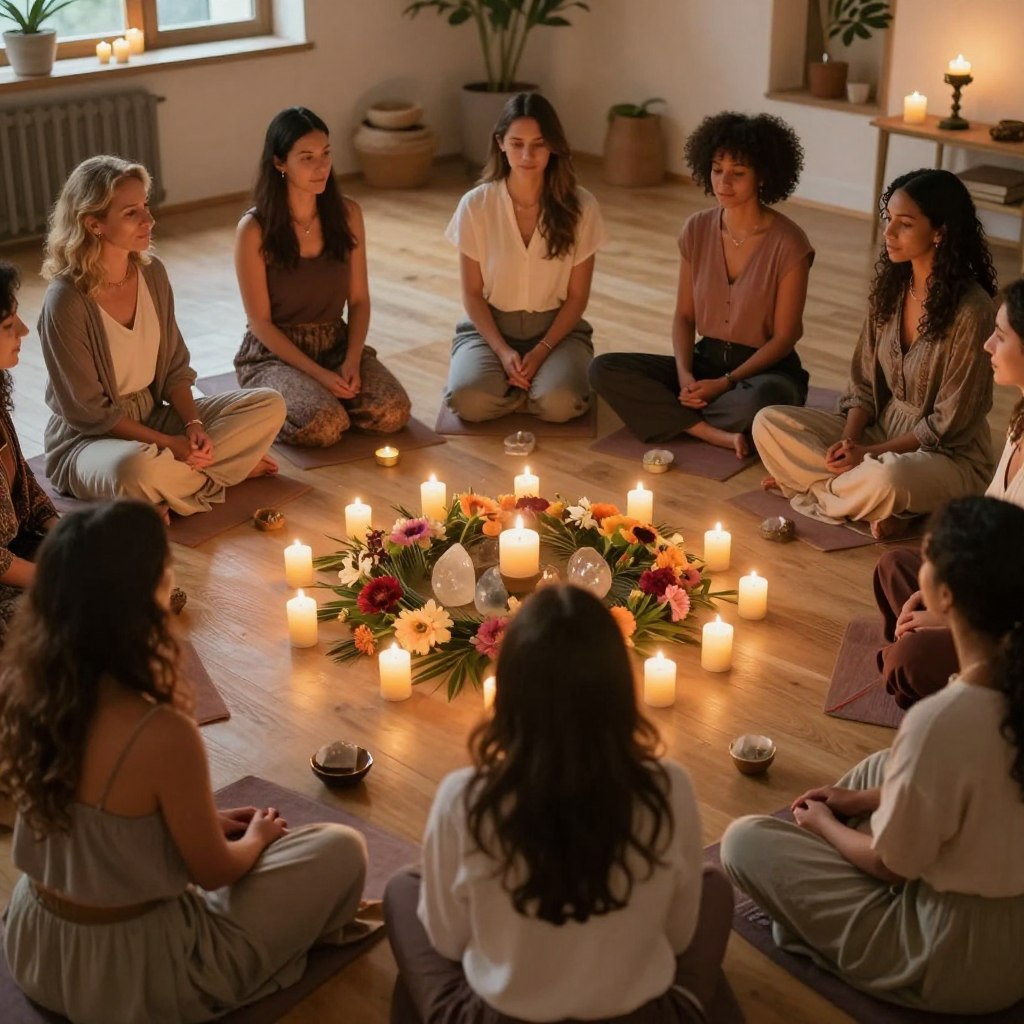
Join a sacred circle of women supporting each other through the healing journey. Meet weekly in a virtual space designed for deep connection, authentic sharing, and collective healing. Experience the power of being witnessed in your vulnerability and witnessing others in theirs. The circle provides practices, teachings, and the profound medicine of knowing you are not alone.
Each gathering includes guided practices, time for sharing, and supportive reflection. You’ll learn new healing tools while building relationships with other women who understand your path. The circle creates a container where you can be fully yourself, express all your emotions, and receive the support that only sisterhood can provide.
Self-Guided Healing Program

Access a comprehensive online program that guides you through the stages of healing at your own pace. This self-directed journey includes video teachings, guided meditations, journaling prompts, and practices for releasing emotional patterns. Perfect for those who prefer independent work while still having structured guidance and support.
The program is organized into modules that build upon each other, taking you from awareness through release and integration. You’ll receive lifetime access to all materials and updates, allowing you to return to teachings as new layers of healing emerge. Includes a private online community where you can connect with others on the same journey.
Choosing Your Next Steps
The path forward is unique for each person. Some benefit most from the intimacy and focus of one-on-one work. Others find their deepest healing in community and circle. Many people combine different approaches, using individual sessions for deep processing while participating in circles for ongoing support and connection.
Consider what feels most aligned for you right now. What does your intuition suggest? What level of support do you need at this stage of your journey? What resources are available to you? There is no wrong choice. Trust yourself to know what serves your healing best.
You might start with a single session to experience the work and build relationship with a practitioner. You could join a circle to test whether group healing resonates with you. Or perhaps downloading free resources and beginning with gentle self-practice feels right. Each approach has value and can lead to profound transformation.
Remember that choosing support is not a sign that you cannot heal on your own. It is a wise recognition that healing happens more deeply and sustainably in connection. The support you receive amplifies your innate healing capacity. It provides accountability, encouragement, and wisdom from those who have walked this path before you.
Your Invitation to Wholeness
You have traveled far in this exploration of healing ancient emotional patterns. You have learned about the origins of patterns, the stages of healing, practical tools and practices, and the transformations that await you. Knowledge is powerful, but it is in the doing that true healing unfolds.
This is your invitation to move from understanding to embodiment, from reading about healing to experiencing it in your life. You deserve support on this sacred journey. You deserve to feel free from the weight of old wounds. You deserve to know the joy, peace, and wholeness that is your true nature.
The healing journey requires courage, but you do not need to be courageous alone. Reach out. Take one step forward. Whether that step is booking a session, joining a circle, downloading a resource, or simply committing more deeply to your own healing practices, trust that this step is enough. Each choice for healing creates ripples that extend far beyond what you can see.
Choose Your Path to Healing and Wholeness
Your healing journey is uniquely yours, and you deserve support that honors your individual needs and pace. Whether you’re ready for deep one-on-one work, called to the sacred medicine of women’s circle, or prefer to begin with self-guided exploration, there is a pathway waiting for you. Take the next step today toward the freedom, peace, and authentic self-expression that healing brings. You don’t have to carry these ancient patterns anymore. Support is here. Transformation is possible. Your wholeness awaits.
The ancient patterns you carry are ready to be released. Your body, heart, and soul are calling for this healing. You have already begun the journey by seeking understanding and opening to possibility. Now, let yourself receive the support that can carry you all the way home to yourself. The path is illuminated. The support is available. Your healing is waiting. Will you take the next step?
Embracing Your Journey to Wholeness
Healing ancient emotional patterns is one of the most profound and courageous journeys you can undertake. It requires you to face what you have been avoiding, feel what you have been suppressing, and reclaim parts of yourself that were exiled long ago. This work is not easy, but it is deeply worthwhile.
Through this exploration, you have discovered that your patterns formed with purpose. They protected you when you needed protection. They helped you survive difficult circumstances. Now, as you bring awareness and compassion to these patterns, they can finally complete their purpose and release their hold on your life.

You have learned that healing unfolds through stages: awareness, feeling, understanding, release, and embodiment. You have explored practices that support this journey, from somatic work to therapy, from meditation to creative expression. You understand the importance of self-compassion, support, and creating safety for your healing process.
The path of healing is also a path of empowerment and transformation. As you release old patterns, you reclaim your personal power, discover your authentic purpose, and reconnect with joy and aliveness. You become not only free from your wounds but empowered by the wisdom and strength gained through healing them.
Remember that this journey is not linear. There will be moments of breakthrough and moments of struggle. There will be times when you feel you are making rapid progress and times when nothing seems to be changing. All of this is part of the natural rhythm of healing. Trust the process and trust yourself.
You are not broken. You never were. The patterns you carry are evidence of your resilience and your psyche’s intelligence in protecting you. Now, you have the opportunity to thank these patterns for their service while choosing new responses that align with who you are becoming.
Healing is possible. Transformation is real. Wholeness is your birthright. As you continue this sacred journey, may you be gentle with yourself. May you find the support you need. May you trust the wisdom of your body, heart, and soul. May you remember that you are whole, you are worthy, and you are deeply loved exactly as you are.
The ancient emotional patterns that have shaped your life are ready to be released. Your true self, whole and radiant, is ready to emerge. The journey continues, one breath, one choice, one compassionate moment at a time. Welcome home to yourself.